
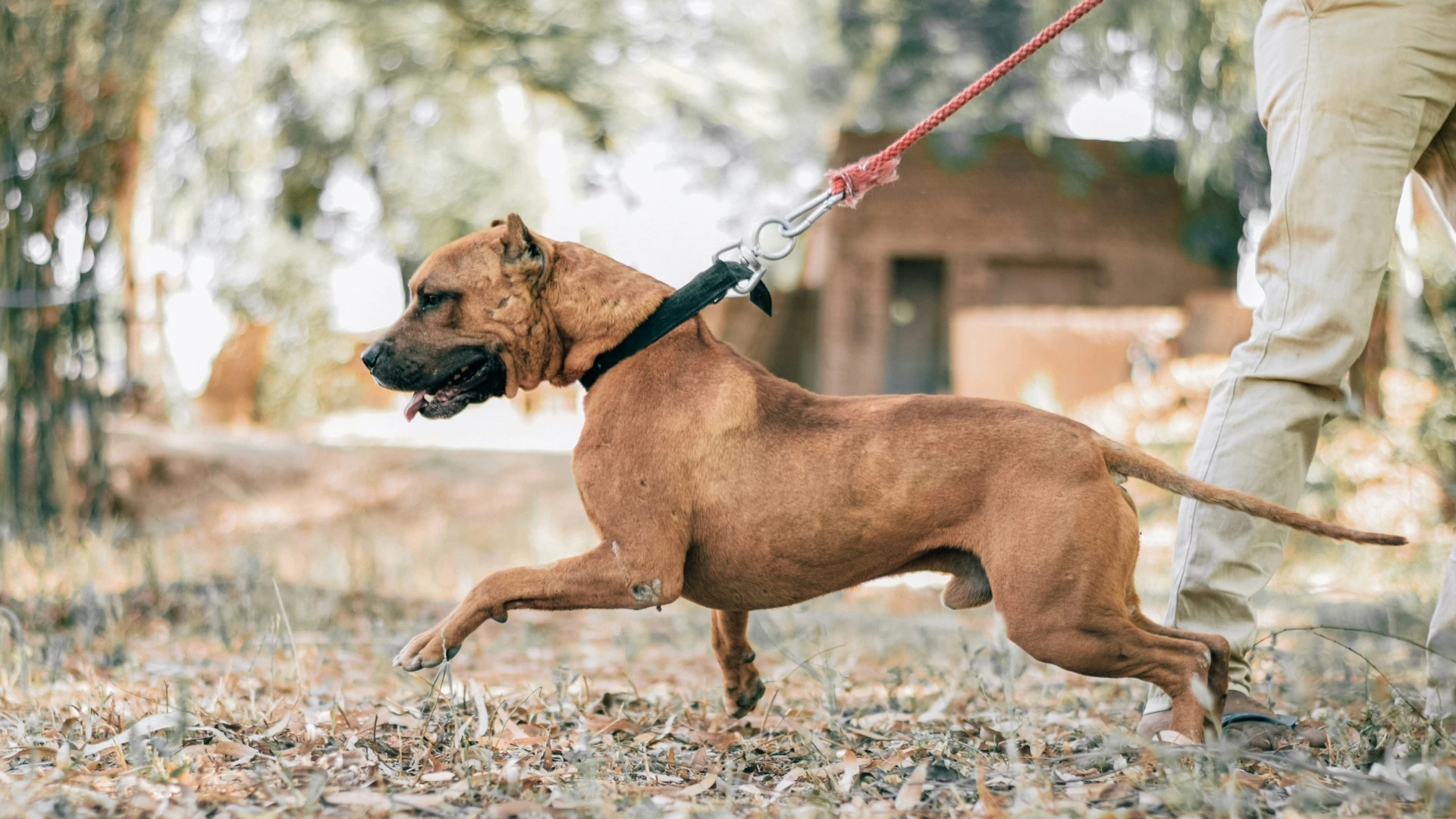
Dog aggression is stressful, sometimes scary, and almost always misunderstood. The most important thing to know is this: aggressive dog behavior usually has a cause. It is often a response to fear, stress, pain, or frustration, not a dog being “bad” or trying to dominate. Once you start treating aggression as a signal and not a personality trait, dog aggression training becomes much more straightforward.
If you want a deeper walkthrough with examples and safety notes, you can also use this guide on how to stop dog aggression as a practical reference while you train.
Step 1: Prioritize safety before you train
Before you focus on dog behavior modification, make the situation safer. Training works best when you are not constantly putting your dog in situations where they explode.
Start here:
- Create distance from triggers of dog aggression whenever possible
- Avoid forced greetings (people or dogs)
- Use barriers at home (baby gates, closed doors, crates) during high-stress moments
- Choose quieter routes and wider spaces on walks if your dog aggression toward other dogs is a problem
If there is any bite history, muzzle training for safety can be a smart layer of protection during training sessions. A properly fitted basket muzzle allows panting, drinking, and taking treats. The goal is not punishment. It is preventing an accident while you build new habits.
Also, if the aggression is new or suddenly worse, rule out pain first. Pain, illness, and stress and anxiety in dogs can lower tolerance quickly. If your dog is snapping during touch, grooming, or movement, schedule a vet check.
Step 2: Identify the pattern (what, where, when, how close)
Most people try to fix aggression without understanding the setup. Your dog is not reacting “randomly.” They are reacting to a specific combination of trigger + distance + context.
To find the pattern, write down:
- What your dog reacted to (dog, stranger, child, visitor, sound, handling)
- Where it happened (yard, doorway, couch, sidewalk, car)
- How close the trigger was when the reaction started
- What your dog did first (freeze, stare, lip lift, growl, lunge)
This is where signs of dog aggression matter. According to Aggressive Dog Training guide, body language warning signs often show up before barking or biting: stiff posture, hard staring, sudden stillness, mouth closing, lip curl, whale eye, or ears pinned back. Catching these early gives you a chance to step in before escalation.
Step 3: Understand what kind of aggression you are dealing with
Different causes of aggressive behavior in dogs need slightly different plans. The training tools can overlap, but your priorities change based on the motivation.
Common categories include:
- Fear aggression in dogs (trying to create distance, often around strangers or unfamiliar dogs)
- Frustration and leash reactivity (wanting to reach something but being blocked)
- Resource guarding (food, toys, resting spots, sometimes people)
- Territorial aggression (doorways, windows, yard, visitors)
If you suspect aggression toward strangers, focus on management first. Keep your dog from being approached and stop random interactions from happening “to test” progress. Training happens in controlled practice, not in surprise encounters.
Step 4: Train under threshold, not at the breaking point
A lot of dog behavior problems get worse because the dog is practicing the same reaction over and over. Every time your dog lunges and the trigger moves away, the behavior is reinforced.
The fastest path forward is desensitization and counterconditioning, done correctly:
- Start far enough away that your dog can notice the trigger and stay relatively calm
- Reward immediately for calm behavior (looking, then looking away, then checking in with you)
- Leave before your dog tips into barking or lunging
- Repeat, gradually decreasing distance only when your dog stays calm consistently
This is the core of positive reinforcement for aggressive dogs. You are not asking your dog to “tolerate” stress. You are teaching them that the trigger predicts good things and that staying calm works better than reacting.
Step 5: Teach simple replacement behaviors (so your dog has a job)
Many aggressive dog training tips focus on “stop the reaction,” but the better question is: what should your dog do instead?
Pick a few skills that work in real life:
- Name response (turning to you when you say their name)
- “Touch” (nose to your hand)
- “Find it” (scatter treats to interrupt fixation and lower arousal)
- “Let’s go” (a clean turn-and-walk-away cue)
- Mat training at home for calm settling
These skills are not fancy, but they give you leverage when your dog starts to lock onto a trigger. They also help you prevent aggressive incidents by interrupting escalation early.
Step 6: Fix the environment so your dog can succeed
Training fails when the environment is too hard too soon. Managing dog aggression safely often means changing your routines temporarily while you build new behavior.
At home:
- Block window access if fence-fighting or barking at passersby is a trigger
- Feed separately if resource guarding is an issue
- Give your dog a quiet retreat space during visitors
- Avoid crowding your dog in tight spaces like hallways
On walks:
- Use wider paths and cross the street early when you see triggers
- Avoid peak hours if your dog gets overstimulated
- Keep your leash short enough for safety but loose enough to avoid constant tension
If your dog is reactive on leash, a front-clip harness can give you better control without putting pressure on the neck. Pair the equipment with training, not as a “fix,” and you will see better results.
Step 7: Expect progress to be real, not perfect
Dog aggression training is rarely linear. You will have good days and rough days. That does not mean the plan is failing. It means your dog is learning in a messy real world.
Signs of real progress look like:
- Your dog notices the trigger and recovers faster
- The reaction becomes smaller or shorter
- Your dog can stay calm at a closer distance than before
- Your dog checks in with you instead of escalating
If you hit a plateau, do not push harder. Go easier. Increase distance again, lower session length, and rebuild confidence.
Step 8: Know when to consult a dog trainer
Some situations are beyond DIY, and that is not a personal failure. If your dog has bitten, if you feel unsafe, or if aggression is escalating, it is smart to get professional support.
When to consult a dog trainer or behavior professional:
- Bite history, especially multiple bites
- Aggression toward family members
- Aggression that appears unpredictable
- Resource guarding that is intense or worsening
- You cannot control distance in your daily environment
Look for someone who works with reward-based training and has experience in dog behavior modification, not someone whose plan relies on intimidation or heavy corrections.
Step 9: Keep it consistent and short
A calm, consistent training routine beats occasional long sessions. Aim for short practice moments, repeated often, in controlled conditions.
A simple schedule can look like:
- One to three minutes of training at home, two to three times a day
- Short “engagement” practice before walks
- Planned trigger exposure at safe distances, then a clean exit
Consistency matters more than intensity, especially when you are changing emotions, not just teaching commands.
Bottom line
If you are working on how to calm an aggressive dog, focus on safety, patterns, and gradual change. Aggression improves when you stop rehearsals of the behavior, lower stress, and train new responses through structured exposure and rewards. With the right plan, many dogs can move from “reactive and explosive” to “calmer and more predictable,” even if progress happens in small steps.