
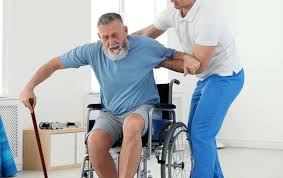
Physiotherapy is a fundamental component of modern rehabilitation that uses various techniques to restore physical function, reduce pain, and improve quality of life for people recovering from injuries, surgery, or chronic conditions. The profession has developed substantially, combining established therapeutic methods with current scientific research. This development has produced a more detailed understanding of the body’s healing mechanisms and how physiotherapists can support recovery through specific, evidence-based treatments.
Physiotherapy techniques address not only visible symptoms but also identify and treat the root causes of physical dysfunction through a comprehensive approach. Physiotherapy plays a critical role in rehabilitation by serving as a link between medical care and the restoration of functional abilities. It enables patients to regain independence and resume normal daily activities.
Many NDIS approved physiotherapists design individualized rehabilitation programs using manual therapy techniques, prescribed exercises, and educational guidance. This article examines the different techniques and treatment methods used in physiotherapy, explaining their role in rehabilitation and their positive effects on patient outcomes and wellbeing.
Understanding the Role of Physiotherapy in Rehabilitation
Physiotherapy plays a multifaceted role in rehabilitation, acting as both a therapeutic intervention and an educational resource for patients. At its core, physiotherapy aims to restore movement and function in individuals who have experienced physical impairments due to injury, illness, or surgery. Physiotherapists assess each patient’s unique situation, taking into account their medical history, physical capabilities, and personal goals.
This thorough assessment allows for the development of a tailored rehabilitation plan that addresses specific needs and promotes optimal recovery. Moreover, physiotherapy extends beyond mere physical treatment; it encompasses a holistic approach that considers psychological and social factors influencing recovery. For instance, a patient recovering from knee surgery may face not only physical challenges but also emotional hurdles such as anxiety about re-injury or frustration with the recovery timeline.
Physiotherapists are trained to recognize these aspects and provide support through education, motivation, and encouragement. By fostering a positive mindset and empowering patients with knowledge about their condition and recovery process, physiotherapy enhances overall rehabilitation outcomes.
The Importance of Individualized Treatment Plans in Physiotherapy
One of the hallmarks of effective physiotherapy is the emphasis on individualized treatment plans. Each patient presents a unique set of circumstances that influence their rehabilitation journey, including age, lifestyle, pre-existing conditions, and personal goals. A one-size-fits-all approach is rarely effective; therefore, physiotherapists meticulously design treatment plans that cater to the specific needs of each individual.
This customization is crucial for maximizing the effectiveness of interventions and ensuring that patients remain engaged in their rehabilitation process. Individualized treatment plans often involve a combination of various techniques tailored to address specific impairments. For example, a patient recovering from a stroke may require different modalities than someone rehabilitating from a sports injury.
The physiotherapist’s role is to assess these needs continuously and adjust the treatment plan as necessary based on the patient’s progress. This dynamic approach not only enhances recovery but also fosters a sense of ownership in patients regarding their rehabilitation journey, motivating them to actively participate in their recovery.
Key Techniques and Modalities Used in Physiotherapy for Rehabilitation
Physiotherapy employs a diverse range of techniques and modalities aimed at facilitating recovery and improving function. Among these are therapeutic exercises, manual therapy, electrotherapy, and modalities such as ultrasound and heat therapy. Therapeutic exercises are foundational to physiotherapy; they help strengthen muscles, improve flexibility, and enhance overall physical function.
These exercises can be tailored to target specific muscle groups or movements that may be compromised due to injury or surgery. Manual therapy is another critical component of physiotherapy that involves hands-on techniques to manipulate soft tissues and joints. This can include mobilization techniques to improve joint range of motion or soft tissue manipulation to alleviate pain and tension.
Electrotherapy modalities such as TENS (Transcutaneous Electrical Nerve Stimulation) can also be employed to manage pain and promote healing by stimulating nerves and muscles through electrical impulses. Each of these techniques plays a vital role in addressing different aspects of rehabilitation, allowing physiotherapists to create comprehensive treatment plans that cater to the multifaceted needs of their patients.
The Role of Exercise and Movement in Physiotherapy Rehabilitation
Exercise is often referred to as the cornerstone of physiotherapy rehabilitation due to its profound impact on recovery outcomes. Engaging in structured physical activity not only aids in restoring strength and mobility but also plays a crucial role in enhancing cardiovascular health, improving mood, and reducing the risk of future injuries. Physiotherapists design exercise programs that are progressive in nature, gradually increasing intensity and complexity as patients regain strength and confidence.
Movement is equally essential in physiotherapy rehabilitation; it serves as both a therapeutic tool and an assessment measure. By observing how patients move during exercises or daily activities, physiotherapists can identify movement patterns that may contribute to pain or dysfunction. This insight allows for targeted interventions aimed at correcting these patterns through specific exercises or techniques.
Furthermore, incorporating functional movements—those that mimic daily activities—into rehabilitation programs ensures that patients are not only recovering but also preparing for real-life challenges they may face post-rehabilitation.
Manual Therapy Techniques for Rehabilitation in Physiotherapy
Manual therapy encompasses a variety of hands-on techniques utilized by physiotherapists to treat musculoskeletal conditions effectively. These techniques include joint mobilization, manipulation, soft tissue mobilization, and myofascial release. Joint mobilization involves the gentle movement of joints within their normal range of motion to alleviate pain and improve function.
This technique is particularly beneficial for patients with stiffness or limited mobility following an injury or surgery. Soft tissue mobilization focuses on manipulating muscles, tendons, ligaments, and fascia to reduce tension and promote healing. Techniques such as deep tissue massage or trigger point therapy can help release tightness in specific areas, enhancing blood flow and facilitating recovery.
Myofascial release targets the fascia—the connective tissue surrounding muscles—by applying sustained pressure to relieve restrictions that may be contributing to pain or dysfunction. These manual therapy techniques are often integrated into broader rehabilitation programs, providing immediate relief while also supporting long-term recovery goals.
Neuromuscular Re-education and Functional Training in Physiotherapy Rehabilitation
Neuromuscular re-education is a specialized aspect of physiotherapy that focuses on restoring proper movement patterns through targeted exercises and activities. This technique is particularly beneficial for individuals who have experienced neurological impairments or musculoskeletal injuries that disrupt normal movement mechanics. By retraining the nervous system to communicate effectively with muscles, physiotherapists can help patients regain control over their movements.
Functional training is closely related to neuromuscular re-education but emphasizes exercises that mimic everyday activities. This approach ensures that patients not only recover strength but also develop the coordination and balance necessary for daily tasks such as walking, climbing stairs, or lifting objects. For instance, a patient recovering from ankle surgery may engage in functional training exercises that simulate walking on uneven surfaces or navigating stairs to prepare them for real-world challenges.
By integrating these principles into rehabilitation programs, physiotherapists enhance patients’ overall functional capacity and confidence in their abilities.
Incorporating Technology and Innovation in Physiotherapy Rehabilitation
The integration of technology into physiotherapy has revolutionized rehabilitation practices, offering innovative solutions that enhance patient care and outcomes. Tools such as virtual reality (VR), telehealth platforms, and wearable devices have emerged as valuable resources for both physiotherapists and patients. Virtual reality can create immersive environments for rehabilitation exercises, allowing patients to engage in therapeutic activities while enjoying an interactive experience that can motivate them to adhere to their treatment plans.
Telehealth has gained prominence in recent years, particularly during the COVID-19 pandemic when in-person visits were limited. Through telehealth platforms, physiotherapists can conduct remote assessments, provide guidance on exercises, and monitor progress from a distance. This flexibility ensures continuity of care while accommodating patients’ schedules and preferences.
Wearable devices equipped with sensors can track movement patterns and provide real-time feedback on performance during exercises, enabling physiotherapists to make data-driven adjustments to treatment plans. The incorporation of these technological advancements not only enhances the efficiency of rehabilitation but also empowers patients by providing them with tools to take an active role in their recovery journey. As technology continues to evolve, its potential to transform physiotherapy practices will likely expand further, paving the way for more personalized and effective rehabilitation strategies tailored to individual needs.