
In today’s world, energy efficiency and sustainability are no longer optional—they are essential. Rising electricity costs, environmental concerns, and the increasing availability of renewable energy solutions have made homeowners more interested than ever in maximizing energy savings. One of the most effective ways to achieve this is by combining a home energy storage system with high-efficiency PV modules. This synergy not only reduces reliance on the grid but also optimizes energy usage, providing both financial and environmental benefits.
Understanding Home Energy Storage Systems
A home energy storage system is designed to store electricity generated from renewable sources, such as solar panels, for later use. Unlike traditional electricity consumption, which relies entirely on the grid, these systems allow homeowners to store surplus energy during peak production times and use it during periods of high demand or power outages.
Modern energy storage systems typically use lithium-ion batteries due to their high efficiency, long lifespan, and compact design. With a properly installed system, homeowners can significantly reduce their monthly electricity bills while ensuring a consistent power supply even during grid failures.
Benefits of a Home Energy Storage System
- Reduced Energy Costs: By storing excess energy produced during the day, homeowners can use it during evening hours when electricity rates are higher, effectively lowering energy bills.
- Energy Independence: A home energy storage system decreases dependence on utility companies, offering greater control over energy consumption.
- Grid Resilience: During power outages, stored energy can provide a reliable backup, ensuring that critical appliances continue to run.
- Environmental Impact: By storing and using renewable energy, homeowners reduce their carbon footprint and contribute to sustainable living.
The Role of High-Efficiency PV Modules
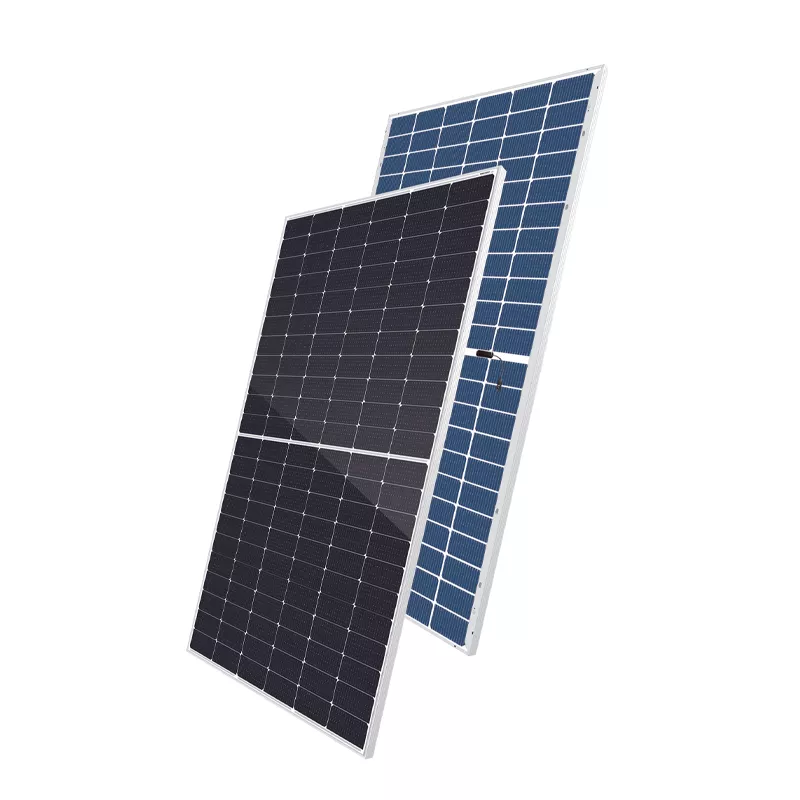
While a home energy storage system stores energy, the efficiency of the energy source itself is equally important. This is where high-efficiency PV modules come into play. PV (photovoltaic) modules, commonly known as solar panels, convert sunlight into electricity. High-efficiency PV modules are engineered to capture more sunlight and convert it into usable energy than standard solar panels.
Advantages of High-Efficiency PV Modules
- Increased Energy Output: High-efficiency PV modules can generate more electricity per square meter, making them ideal for homes with limited roof space.
- Faster Return on Investment: Since they produce more energy, these modules can help homeowners achieve payback on their solar investment sooner.
- Better Performance in Low-Light Conditions: Advanced PV technologies allow these modules to maintain energy production even on cloudy days or during early morning and late afternoon hours.
- Long-Term Durability: High-quality PV modules often come with warranties of 25 years or more, ensuring consistent performance over time.
How Home Energy Storage Systems and High-Efficiency PV Modules Work Together
The combination of a home energy storage system with high-efficiency PV modules creates a powerful energy ecosystem. Here’s how they complement each other:
- Optimized Energy Generation and Usage: High-efficiency PV modules generate more electricity, which can then be stored in the home energy storage system for later use. This reduces wastage of solar energy and ensures maximum utilization.
- Load Shifting: Excess energy stored during low-demand periods can be used during peak hours, reducing dependence on expensive grid electricity.
- Emergency Power Supply: Stored energy from efficient PV modules ensures that essential appliances, like refrigerators, medical devices, and heating systems, remain operational during blackouts.
- Enhanced Energy Management: Advanced home energy storage systems often come with smart monitoring apps that allow homeowners to track energy production, storage levels, and consumption patterns in real time.
Maximizing Financial Savings
Investing in a home energy storage system and high-efficiency PV modules is not just environmentally responsible—it also makes financial sense. Here are ways homeowners can maximize their savings:
- Net Metering Benefits: In some regions, excess solar energy fed back into the grid can earn credits, further reducing energy costs.
- Time-of-Use (TOU) Optimization: By storing energy during low-rate periods and using it during peak-rate periods, homeowners can save significantly on electricity bills.
- Incentives and Rebates: Many governments and utilities offer incentives, tax credits, and rebates for installing solar panels and home energy storage systems, lowering upfront costs.
- Increased Property Value: Homes equipped with solar energy systems and storage solutions are often more attractive to buyers, potentially increasing resale value.
Choosing the Right System
To maximize savings, it’s essential to choose the right combination of PV modules and energy storage systems. Consider the following factors:
- Energy Needs: Calculate your household’s average energy consumption to determine the capacity of the storage system needed.
- Roof Space and Orientation: High-efficiency PV modules are particularly valuable for homes with limited roof space, as they produce more energy in the same area.
- Battery Type and Capacity: Lithium-ion batteries are common, but other options like flow batteries may be suitable depending on your energy needs and budget.
- Compatibility and Integration: Ensure that the PV modules and storage system are compatible and can be integrated with smart energy management systems for optimal efficiency.
Future of Home Energy Systems
The integration of home energy storage systems and high-efficiency PV modules represents a significant step toward decentralized and sustainable energy. As technology advances, homeowners can expect:
- Improved Battery Lifespan: Longer-lasting batteries will reduce maintenance costs and enhance reliability.
- Higher Module Efficiency: Continued research is leading to PV modules capable of exceeding 25% efficiency, maximizing energy generation.
- Smart Grid Integration: Homes may interact with smart grids to sell excess energy, participate in demand response programs, and further reduce costs.
- Reduced Carbon Footprint: Widespread adoption of these systems contributes to cleaner, greener communities and a reduced reliance on fossil fuels.
Conclusion
Combining a home energy storage system with high-efficiency PV modules is a smart investment for any homeowner looking to reduce energy costs, increase independence, and contribute to a sustainable future. By storing excess solar energy, optimizing usage during peak periods, and maximizing the output of high-efficiency solar panels, homeowners can achieve significant financial and environmental benefits.
Whether your goal is lowering electricity bills, ensuring energy resilience, or reducing your carbon footprint, integrating these systems is a forward-thinking solution that delivers long-term value. As technology continues to evolve, the potential for savings and sustainability will only grow, making now the perfect time to invest in solar energy and home energy storage.