
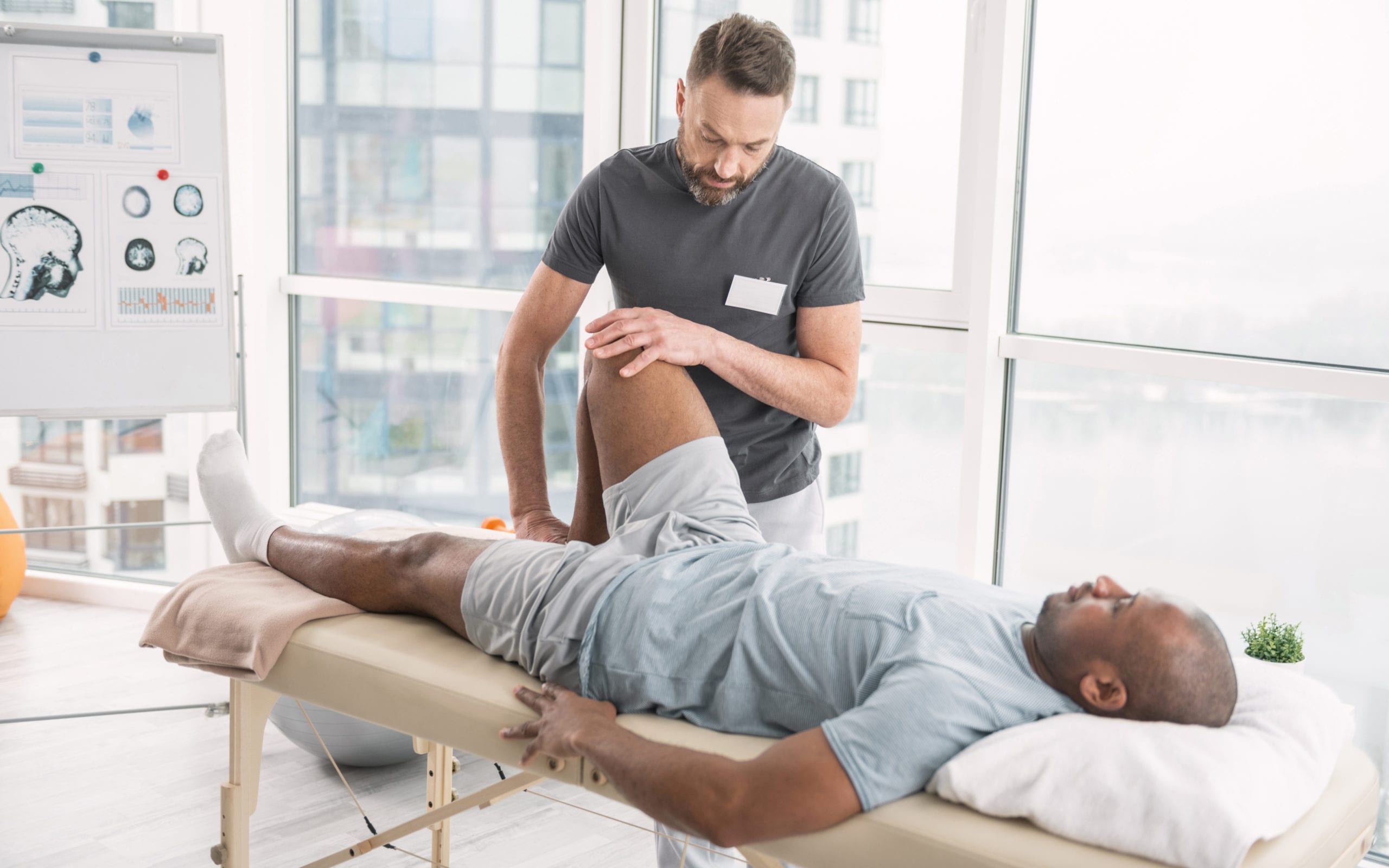
Injuries, surgeries, and chronic pain conditions affect millions of people each year. According to health research, musculoskeletal conditions—such as back pain, joint injuries, and mobility limitations—are among the leading causes of disability worldwide. When these issues interfere with daily life, many patients are introduced to rehabilitation and physical therapy services as part of their recovery plan.
For individuals who are new to therapy, the process may seem unfamiliar. Questions often arise about what rehabilitation includes, how physical therapy works, and how long recovery may take. Understanding these services can help patients feel more confident about beginning treatment and taking an active role in their recovery.

Understanding Rehabilitation and Physical Therapy
Rehabilitation and physical therapy services focus on helping people regain movement, reduce pain, and restore physical function after injuries or medical conditions. These services support the body’s natural healing process while improving strength, flexibility, and mobility.
Although the terms are sometimes used interchangeably, rehabilitation is a broader concept. It may include several types of care designed to help patients recover physically and regain independence.
Physical therapy is one of the most common forms of rehabilitation. It focuses specifically on movement and musculoskeletal health.
Together, rehabilitation and physical therapy help individuals return to everyday activities such as walking, exercising, working, and performing routine tasks.
Goals of Rehabilitation and Physical Therapy
The primary goal of therapy is to improve how the body moves and functions. Treatment programs are designed to address both the symptoms and the underlying causes of physical limitations.
Common goals of rehabilitation include:
- Reducing pain and inflammation
- Restoring joint mobility and flexibility
- Strengthening muscles that support movement
- Improving balance and coordination
- Helping patients return to normal activities
- Preventing future injuries
By focusing on long-term physical health, rehabilitation services help patients regain independence and confidence in their daily lives.
Who Can Benefit From Physical Therapy Services
Physical therapy is beneficial for people of all ages and activity levels. Some individuals seek therapy after an injury or surgery, while others use rehabilitation services to manage ongoing health conditions.
People who often benefit from therapy include:
Individuals Recovering From Injuries
Sports injuries, workplace accidents, and everyday strains can cause pain and mobility issues. Therapy helps restore strength and flexibility while guiding the body through safe recovery.
Patients Recovering After Surgery
Many surgical procedures require structured rehabilitation to help the body regain strength and movement. Physical therapists guide patients through exercises that support healing and restore function.
People With Chronic Pain
Conditions such as arthritis, back pain, and joint inflammation can limit daily activities. Therapy programs often focus on improving movement and reducing discomfort through targeted exercises.
Older Adults With Mobility Challenges
Balance and coordination may decline with age. Physical therapy provides exercises that improve stability and reduce the risk of falls.
Athletes and Active Individuals
Athletes often use rehabilitation programs to recover from injuries and improve performance. Therapy can also help prevent future injuries by strengthening muscles and improving movement mechanics.
What Happens During a Physical Therapy Evaluation
The first step in any rehabilitation program is a detailed evaluation. This assessment allows the therapist to understand the patient’s condition and develop a personalized treatment plan.
During the evaluation, the therapist may:
- Discuss the patient’s symptoms and medical history
- Observe posture and movement patterns
- Measure joint mobility and flexibility
- Test muscle strength
- Identify areas of pain or discomfort
This information helps determine the root cause of the patient’s condition and guides the development of an effective therapy plan.
Common Treatments Used in Physical Therapy
Physical therapy uses a combination of techniques designed to restore movement and reduce pain. Treatment methods vary depending on the patient’s condition and recovery goals.
Therapeutic Exercise
Exercise is the foundation of most physical therapy programs. Therapists guide patients through movements that strengthen muscles, improve flexibility, and support joint stability.
These exercises are tailored to each patient’s abilities and gradually progress as recovery improves.
Manual Therapy
Manual therapy involves hands-on techniques used to improve joint movement and reduce muscle tension. These techniques may help relieve stiffness and improve overall mobility.
Stretching and Mobility Training
Stretching exercises help restore flexibility in tight muscles and improve range of motion. Mobility training allows patients to move more freely and comfortably.
Balance and Stability Training
For patients experiencing coordination issues or balance problems, therapists provide exercises designed to improve stability and reduce fall risk.
Education and Lifestyle Guidance
Therapists also teach patients how to protect their bodies during everyday activities. This may include guidance on posture, lifting techniques, and movement habits that reduce strain on muscles and joints.
How Long Rehabilitation Usually Takes
Recovery timelines vary depending on the type and severity of the condition. Some patients may notice improvement within a few sessions, while others may require several weeks or months of therapy.
Factors that influence recovery include:
- The nature of the injury or condition
- The patient’s overall health
- Consistency in attending therapy sessions
- Following recommended exercises at home
Therapists regularly evaluate progress and adjust treatment plans to support continued improvement.
The Importance of Consistency During Recovery
One of the most important aspects of successful rehabilitation is consistency. Therapy works best when patients actively participate in their recovery process.
Attending scheduled sessions, completing home exercises, and following professional guidance help maintain progress throughout treatment.
Consistency also allows therapists to monitor recovery and make adjustments that improve results.
Frequently Asked Questions
Is physical therapy painful?
Physical therapy is designed to improve movement safely. Some exercises may cause mild discomfort as muscles strengthen, but therapists adjust treatments to keep sessions manageable.
Do patients need a referral for therapy?
Many clinics allow patients to schedule an evaluation directly. However, some insurance plans may require referrals from healthcare providers.
Can physical therapy prevent injuries?
Yes. Therapy often focuses on strengthening muscles, improving posture, and correcting movement patterns that contribute to injuries.
Rehabilitation and physical therapy services provide valuable support for individuals recovering from injuries, surgeries, and chronic pain conditions. By improving strength, mobility, and movement patterns, therapy helps patients regain independence and return to everyday activities.
For individuals seeking professional rehabilitation care, MOTION RX Physical Therapy offers personalized therapy programs designed to help patients recover safely and improve long-term mobility.
MOTION RX Physical Therapy
13555 Automobile Blvd Unit 400, Clearwater, FL 33762
Phone: (727) 826-7142
Website: http://motionrxhealth.com