
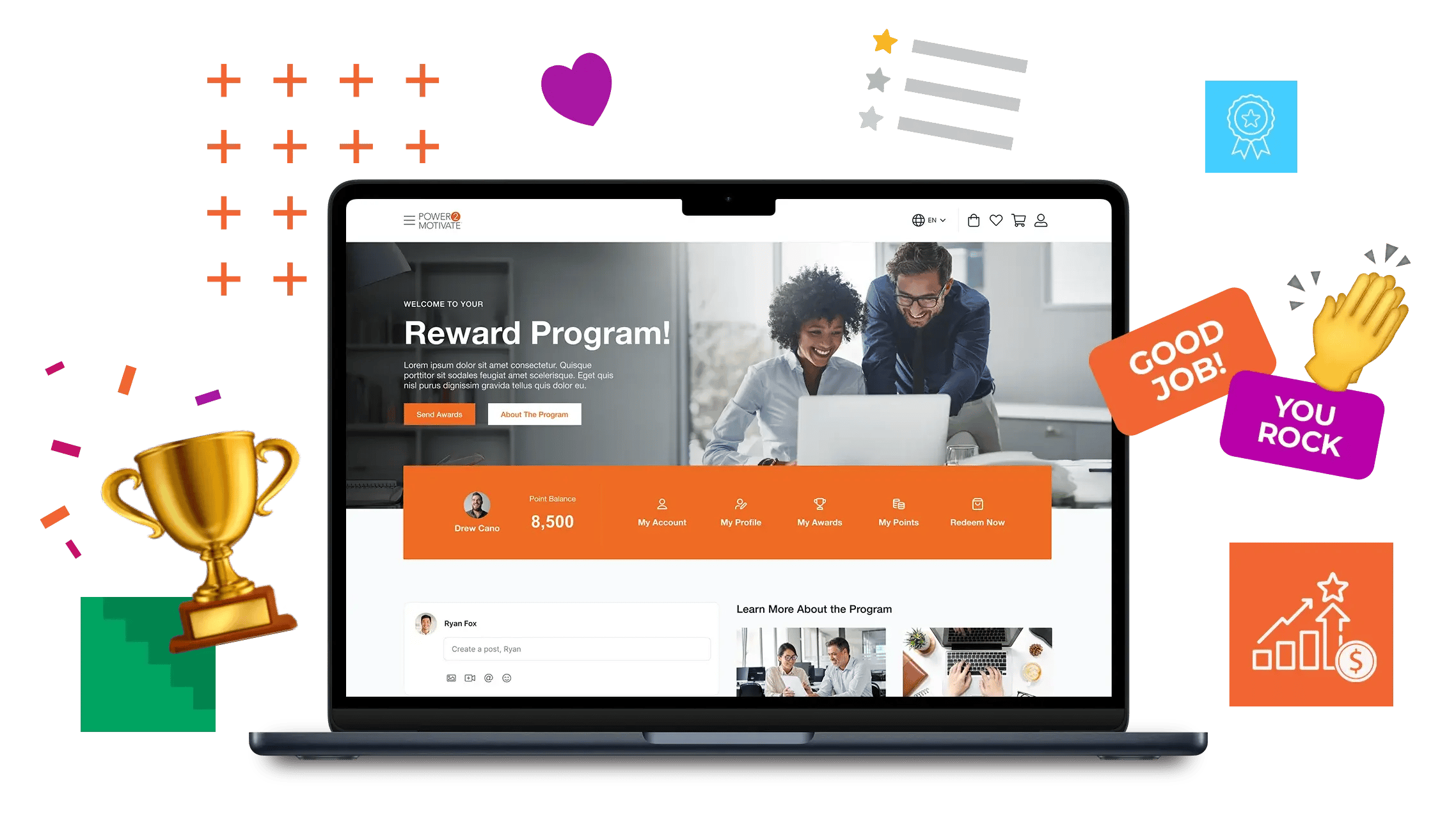
Staff recognition has always played a role in how companies retain talent and foster culture, but the methods used to deliver it are undergoing a rapid transformation. Traditional practices like quarterly awards or manager-led praise are being replaced by digital platforms designed to scale recognition across teams, regions, and time zones. As organisations adapt to hybrid work, shifting employee expectations, and data-driven HR strategies, platform-based recognition models have emerged as a preferred solution.
So, what’s driving this shift—and why now?
Demand for Real-Time and Peer-Led Recognition
Today’s employees value immediacy, inclusivity, and relevance. The once-a-year performance review or ad-hoc compliments from managers are no longer sufficient in environments where high performance happens daily and across functions. Employees want to be recognised by their peers, in the moment, and in ways that reflect their specific contributions.
This shift has led to widespread adoption of platform-based models that allow real-time recognition from any level of the organisation. An example of this transition is reflected in how large organisations are leveraging tools like https://www.carltonone.com/p2m to implement scalable, value-aligned recognition systems that work across departments and geographies.
The Influence of Hybrid and Remote Workforces
With hybrid work now a norm, traditional recognition rituals—team lunches, public shout-outs, or in-person award ceremonies—are harder to sustain. Remote workers risk being left out of casual recognition moments that occur more frequently in office settings.
Digital recognition platforms solve this problem by making appreciation accessible across devices and locations. Whether it’s a Slack-integrated shout-out or a mobile app notification, these tools bring visibility and fairness to distributed teams, ensuring that location doesn’t determine recognition.
Emphasis on Culture and Behaviour Reinforcement
Organisations are increasingly using recognition not just to reward performance but to reinforce cultural values. Platform-based models allow companies to tag recognition moments with specific behaviours—like innovation, collaboration, or customer focus—tying appreciation to the traits they want to amplify.
This structured approach helps employees understand what’s valued and aligns individual effort with broader company goals. Over time, it fosters a culture of consistency and intentionality rather than one driven by individual manager discretion.
The Push for Data-Driven HR Strategy
Modern HR functions are becoming more analytics-led. Platform-based recognition tools provide structured data on who is being recognised, how often, by whom, and for what reason, forming part of a broader people analytics approach. This allows HR leaders to spot recognition gaps, identify team engagement patterns, and benchmark performance across departments or regions.
Such visibility makes recognition part of a broader strategy—not just a feel-good initiative. Insights from recognition data can even inform retention plans and succession decisions.
Need for Seamless Integration with Other Systems
Recognition doesn’t exist in isolation. Organisations increasingly expect their recognition tools to integrate with other core systems—such as performance reviews, incentive schemes, learning and development platforms, and communication tools.
Platform-based models meet this demand through API-driven integration and cross-functional compatibility. The result is a frictionless employee experience, where recognition aligns with milestones, competencies, and growth pathways.
Recognition as a Scalable Culture Tool
The rise of platform-based staff recognition models marks a shift from fragmented, manager-dependent practices to consistent, inclusive, and scalable frameworks. As work becomes more digital and dispersed, and as organisations demand deeper insights into engagement, these platforms have become essential infrastructure. They don’t just enable appreciation—they transform it into a strategic driver of culture, performance, and retention.