
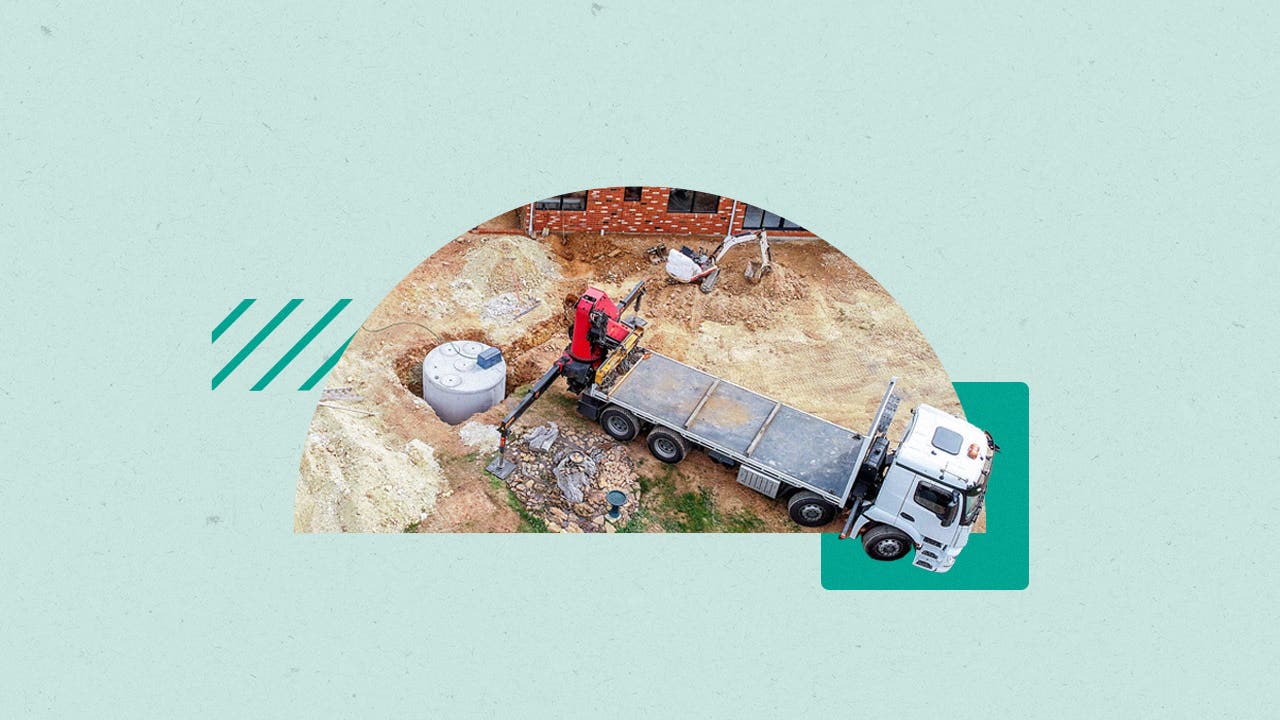
A Brief Disquisition on Septic Tank and Sewer Drain Systems
In the labyrinthine infrastructure of modern residences, two systems often overlooked yet crucial for habitability are the septic tank and sewer drain systems. These play a pivotal role in maintaining hygiene and sanitation in homes. A septic tank system, usually installed in rural areas or houses with large yards, is an independent setup wherein waste is decomposed through bacterial activity.
The relatively simple design includes a large tank, a drain field, and soil to filter the water. Conversely, urban dwellings typically feature sewer drain systems, which channel waste via interconnected pipes to city-owned treatment facilities.
Its complex network often includes main drainage pipes, secondary pipes from every dwelling unit connected to the main pipe, and tertiary interconnections among secondary pipes. Despite their differences in operation and structure, both these systems effectively manage waste disposal.
However efficacious these intricate systems may be, they are not impervious to issues such as blockages or leaks that can disrupt their functionality. These problems can result in significant repair costs which homeowners must bear unless covered by an insurance policy.
The Imperative of Understanding Your Insurance Coverage
In the realm of homeownership, understanding your insurance policy can be as crucial as knowing where your property line ends. This is particularly true when navigating the intricacies of septic tank or sewer drain insurance coverage – two frequently misunderstood facets of standard homeowner’s policies. Often homeowners operate under the assumption that their standard homeowner’s policy covers any damage or malfunctions associated with these wastewater disposal systems.
However, this misapprehension could lead to unanticipated financial burdens when confronted with system failure because many policies exclude specific types of damage or impose limits on the amount of coverage provided. Therefore, it is essential to comprehend the nuances of your insurance policy fully.
Recognizing what is covered and more importantly, what isn’t, can be instrumental in avoiding unforeseen out-of-pocket expenses. An intimate understanding of your policy’s inclusions, exclusions, limitations, and possible supplemental coverage options empowers you to make informed decisions about managing potential risks associated with septic tank or sewer drain systems.
Plumbing the Depths: A Comprehensive Guide to Septic Tank Systems
Cracking the Tank: How Septic Systems Operate
Septic tank systems, though out of sight and often out of mind, perform a crucial role in household sanitation. These underground wastewater treatment structures use a combination of nature and technology to treat wastewater from household plumbing produced by bathrooms, kitchen drains, and laundry.
A typical septic system consists of two main components – the tank itself and a drain field. The septic tank is essentially the first point of contact for all household waste.
Its main function is to act as a vessel where raw waste can separate into layers. Over time, solids settle at the bottom forming sludge; oil and grease rise to the top as scum while relatively clear water remains in between.
The drain field, also known as leach field or soil absorption system, represents the second phase of treatment. Here, liquid from the septic tank flows out through perforated pipes into gravel trenches buried within the yard where it percolates down through soil which acts as a natural filter.
The Trouble Below: Common Issues with Septic Tanks
Despite their general durability and simplicity in design, septic tanks are not without their issues. Common problems include overloading or overuse which may impede proper separation process within the tank leading to solid materials being pushed into drain fields causing blockages.
Another frequent concern with septic tanks is non-biodegradable materials or harsh chemicals entering system which can kill beneficial bacteria that aid breakdown process or cause physical damage. In some cases root infiltration from nearby trees can also impact functionality by creating blockages within pipes leading to overflow or backups into homes.
A Bet Against Disaster: Understanding Septic Tank Insurance Coverage
The Scope Within Fine Print: Common Coverage in Standard Homeowner Policies
Typically, standard homeowner insurance policies can be somewhat nebulous regarding coverage of septic systems. Despite this ambiguity, they generally cover sudden and unforeseen physical loss or damage to the septic system. This could include scenarios like a tree falling on and damaging part of the septic system or if a vehicle inadvertently drives over and collapses part of your drain field.
Blurred Lines: Limitations and Exclusions to Coverage
While standard insurance may cover sudden damage, it is important to note that it often does not extend to all forms of damage or loss. Most notably, damage resulting from lack or improper maintenance is typically excluded from coverage. Furthermore, if septic issues arise due to predictable wear and tear over time or root invasion from nearby plants, these are usually deemed as maintenance issues rather than insurable incidents.
Beyond the Standard: Exploring Supplemental Insurance Options
Recognizing the limitations in standard homeowner policies with respect to septic systems, some homeowners may find it beneficial to consider supplemental insurance options. These are special endorsements that can be added onto your existing policy for increased protection against costs related to repairing or replacing your septic system in event of failure. Such options provide broader coverage including scenarios often excluded in regular policies such as breakdowns due to age or normal wear and tear thereby offering added peace of mind for homeowners with septic systems.
Understanding Sewer Drain Systems
A Comprehensive Look into the Mechanics of Sewer Drain Systems
The cornerstone of modern civilization, a sewer drain system is a meticulously engineered network designed to transport wastewater from homes to treatment facilities. The journey of waste begins at the individual home’s main drain line, where it travels downward using gravity through increasingly larger pipes until it reaches the municipal sewer line. These systems are typically composed of numerous components, each with a distinct function.
The primary component is the lateral line which connects a house to the main sewer line. Other significant elements include cleanouts for easy access during maintenance or blockage removal; vent stacks that prevent vacuum formation and allow sewer gases to escape; and traps (U-shaped pipe sections) under sinks and basins that retain water, forming a seal against sewer gas entry into homes.
Indented pipes help maintain optimal sewage flow while manholes provide access points for cleaning, inspection, or blockage removal within public sewer lines. All these components work synergistically to create an efficient waste disposal system crucial for modern living.
Like any other system however, sewer drains are not immune to issues. Common problems include blockages caused by tree roots intrusion or flushing inappropriate items down toilets; pipe breakages due to shifting ground, corrosion or extreme temperatures; and backups resulting from blocked municipal lines or heavy rains overwhelming capacity.
Demystifying Sewer Drain Insurance Coverage
When considering homeowner policies’ typical inclusions concerning sewer drains, most standard insurance plans will cover sudden and unforeseen damage such as burst pipes due to freezing conditions or accidental damage from third parties like construction crews. This means homeowners can usually claim for repair costs stemming from these incidents without much hassle. However, limitations do exist within these policies rendering some scenarios uncovered.
Normal wear-and-tear is one such instance where coverage does not apply as insurers expect homeowners to perform regular maintenance. Similarly, damage due to tree root intrusion or failure to repair known problems may not be covered as these are considered preventable issues.
In some cases, backups caused by city sewer lines or weather-related events like floods are also excluded from standard policies. These exclusions can leave homeowners with repair bills running into thousands of dollars unless they seek supplementary coverage options.
Exploring Supplemental Insurance Options for Greater Peace of Mind
Given the limitations inherent in standard homeowner insurance policies, supplemental insurance options can provide comprehensive protection against sewer drain disasters. Sewer backup coverage is a common add-on that protects against damages resulting from water backup due to blocked municipal lines or overwhelmed capacity from heavy rains. Additionally, service line coverage can extend protection beyond your home and cover repairs for the lateral line that connects your house to the public sewage system.
This is particularly beneficial since this component is often excluded from regular policies yet prone to damages from tree root invasions and ground shifting. Flood insurance could be a necessary consideration for homes in flood-prone areas as standard policies typically exclude damage associated with flooding events.
While not directly related to sewer drains, this coverage can help safeguard against water damage stemming from sewage backup during flood situations. Altogether, understanding your home’s specific needs and potential risks enables you to better select a combination of standard and supplemental insurance options that offers optimal protection against sewer drain related calamities.
Comparing Septic Tank and Sewer Drain Insurance Claims: A Tangled Web
Insurance claims pertaining to septic tanks and sewer drains, despite their superficial similarities, often follow remarkably divergent paths. This disparity is largely driven by the unique challenges and complexities associated with each system. For instance, septic tank claims usually involve a deeper exploration of maintenance habits because these systems are typically found on private property and are therefore the homeowner’s responsibility.
Conversely, sewer drain claims can involve assessing shared liabilities as these systems are often connected to municipal lines. Furthermore, the process of lodging an insurance claim for a septic tank can be more straightforward than a sewer drain claim due to fewer parties’ involvement.
With less bureaucratic red tape to navigate, homeowners sometimes find it easier to get their insurer’s approval for work on a septic system. In contrast, sewer drain claims may necessitate coordination between the homeowner’s insurance company and the local government body responsible for maintaining public sewer lines – adding layers of complexity that can delay resolution.
The Claim Denial Maze: Why Some Requests Never Make It Through
Insurance claims related to both septic tanks and sewer drains often face denial for reasons ranging from lack of coverage in standard policies to evidence of poor maintenance practices. A common pitfall for many homeowners is misunderstanding their policy terms; not all damage types may be covered in standard home insurance packages – for instance gradual damage due to wear and tear or neglect might not be included.
Another frequent reason behind denied claims is the failure to conduct regular inspections or carry out necessary repairs promptly. Insurers often stipulate that homeowners have a duty of care towards maintaining their property; ignoring this duty might lead them not only toward major disasters but also toward severe financial setbacks when insurers reject their claim requests based on neglect.
Whether it’s a catastrophic event like tree root intrusion into your sewage line or a gradual problem such as corrosion due to age, the burden of proof lies with the homeowner. As such, documenting maintenance habits and being proactive about repairs is critical in bolstering any insurance claim.
Safeguarding Your Claims: Maintenance Tips & Regular Inspections
To forestall claim denial and avoid catastrophic system failures, homeowners need to engage in meticulous maintenance practices. For septic tank systems, this includes regular pumping to prevent solids from escaping into the drain field and causing a blockage or failure. Experts recommend that septic tanks be pumped out every three to five years, though this can vary based on factors like tank size and household usage.
Sewer drains require periodic inspections using video scope technology to detect problems like blockages or structural damage early before they escalate into more serious issues. Having a documented history of these inspections can provide invaluable support for any insurance claim related to sewer drain damage.
Proper use of both septic tank system and sewer drain is key to preventing mishaps that could lead to denied claims. Avoid flushing non-biodegradable items or pouring harmful chemicals down your drains; such actions can cause significant damage over time – damage that insurers are likely to view as preventable thereby rejecting any claims arising from it.
The Chronicles of Coverage: Real-Life Examples of Successful Claims
Let us delve into the annals of real-life experiences to illuminate the realm of successful insurance claims. Our first story features a homeowner in rural Oregon whose septic system failed due to natural soil conditions.
The damage was beyond the control and anticipation of the owner, thus it fell under ‘sudden and accidental damage’ clause as per his homeowner’s policy. The claim was paid, enabling him to replace his entire septic system with little disruption.
In another instance, an aging townhouse community in Minnesota saw their shared sewer drain backup unexpectedly. A torrential downpour had overwhelmed their outdated infrastructure, causing considerable property damage.
Fortuitously, many homeowners within this community had purchased optional sewer backup coverage on top of their basic homeowner’s insurance; thus they saw the cost for clean-up and repairs fully covered by their insurance companies. A final illustration features a family from Florida who discovered that tree roots had invaded their home’s sewer line which resulted in significant blockage over time.
They had wisely opted for service line coverage which specifically covers damages inflicted by invasive root growth to underground piping systems. Their prompt claim led to complete coverage for repair costs including excavation, pipe replacement, and landscape restoration.
Lessons Unearthed: Denied Claims and Why They Were Rejected
However, there is a flip side to these success stories – instances where claims were denied due to varying circumstances or policy limitations. One such case involves a New Jersey homeowner whose claim was rejected after her septic tank overflowed as a result of deferred maintenance over several years.
Insurance providers typically don’t cover damages that have incurred over time due to negligence or lack of maintenance. An urban dweller from Chicago faced a similar predicament when his basement flooded due to backflow from city sewers during a heavy rainstorm.
His claim was denied as his standard homeowner’s insurance did not cover damages caused by off-premise water or sewer backup. It was a costly lesson about the importance of thoroughly understanding policy inclusions and exclusions.
Another cautionary tale comes from Texas where a couple’s homeowner insurance claim was rejected after their septic system failed due to improper installation. While their insurance covered damage from natural causes, it did not cover faulty workmanship, illustrating the necessity of employing reputable and certified professionals for home installations.
Demystifying the Right Coverage For Your Home
Despite the technicalities and specifications surrounding septic tank versus sewer drain systems, the task of choosing the right insurance coverage should not be a daunting endeavor. Rather, it should be seen as an essential step towards safeguarding one’s home — a place of both immense capital and emotional value. Understanding the type of system installed in your home is paramount when choosing appropriate coverage.
For homes with septic tank systems, you must consider factors such as age and condition of the tank, frequency of maintenance, and whether there are any signs indicating potential failure. Remember that insurance policies for septic tanks often exclude coverage for damages due to lack of preventive maintenance or natural wear from regular use.
On the other hand, homes with sewer drain systems need to consider risks related to back-ups from city sewers or damage from tree roots infiltrating pipes. You may want to seek comprehensive coverage for underground service line protection that would ensure full replacement costs in case of damage due to external conditions such as ground freezing or excavations.
Paving Your Path: Assessing Needs Based on System Type
Whether your home integrates a septic tank system or a sewer drain system inherently determines what kind of concerns you have. For homeowners with septic tanks, their insurance needs ought to reflect considerations towards potential problems like leaking tanks or drain field failures which could lead to pricey repairs. However, those who possess sewer drains might have separate anxieties concerning back-ups into their homes because these often entail costly clean-up procedures not covered by general homeowner policies.
Henceforth homeowners need specific sewer back-up coverage aiming at protecting them from this liability. Again, preparation is key here; having frequent inspections and carrying out necessary maintenance will invariably assist in avoiding unwarranted claim denial due to negligence on part of homeowners.
Navigating Through Insurer Selection
Choosing an insurer is a pivotal part of this process. But choosing the right one can seem akin to traversing through a labyrinth. This process, however, can be made straightforward by keeping some key considerations in mind.
Coverage options should align with your specific needs and provide comprehensive protection against potential risks associated with your home’s septic or sewer system. Always review policy details thoroughly and do not hesitate to ask questions about any limitations or exclusions you might stumble upon.
Customer service also plays an indispensable role in selecting an insurer. A responsive, empathetic, and knowledgeable customer service unit can make claim processes less strenuous.
Look for insurers who are highly rated for their customer service and have a strong reputation for handling claims swiftly and fairly. Consider the financial stability of the insurance company.
An insurer’s ability to meet its policy obligations is fundamental — after all, an insurance policy is only as good as the insurer’s ability to pay claims. Navigating through these considerations may seem overwhelming at first glance but remember that finding the right coverage is not only about protecting your financial investment but also about securing peace of mind knowing that your home is well protected.
Conclusion: The Final Word on Septic Tank vs Sewer Drain Insurance Claims
The Quintessence of Understanding Your Home’s System and Its Coverage
In the labyrinthine world of home insurance, understanding the nuances of your policy, especially when it pertains to septic tank and sewer drain coverage, is by no means a trivial task. Yet, it is an indispensable one.
This comprehension not only aids in making informed decisions but also circumvents unexpected financial hardships that may arise due to denied claims. A fundamental grasp of your home’s specific system – whether a septic tank or a sewer drain – is pivotal for this process.
Knowing the common issues that beset these systems and their unique maintenance needs will help ensure their longevity. Moreover, understanding what your standard homeowner policy includes and excludes is paramount to shielding yourself from unwanted surprises during times of duress.
It’s equally critical to recognize that not all insurance policies are created equal. The breadth and depth of coverage vary substantially among insurers, underscoring the importance of comparing different options before making a choice.
Understanding Policies: A Portal to Peaceful Home Ownership
The oft-overlooked realm of septic tank and sewer drain insurance claims can be fraught with confusion and uncertainty. However, with knowledge as our compass, we can navigate its intricacies with ease. Awareness about common pitfalls in insurance claims can arm homeowners with the tools required for successful claim filing and approval.
We’ve journeyed through an exploration into this topic – understanding how these systems work, typical inclusions in standard policies for both types, supplemental insurance options available for additional coverage along with some real-life examples from successful claims as well as those which were rejected. Equipped with these insights, homeowners are empowered towards more strategic decision-making when it comes to protecting their homes against potential future perils associated with septic tanks or sewer drains.
An Optimistic Horizon: Navigating the Future with Confidence
While insurance claims might appear daunting, they should not dissuade homeowners from their pursuit of peaceful home ownership. Instead, let this newfound knowledge serve as a beacon, guiding you towards making informed decisions and preempting potential problems.
After all, forewarned is forearmed. Our homes are meant to be sanctuaries, free from the worries of unexpected damages or costly repairs.
With the right insurance coverage tailored to your home’s specific needs and regular maintenance checks in place for our home systems – whether septic tanks or sewer drains – we can indeed transform this vision into reality. So here’s to a future where every homeowner is equipped with the right tools and knowledge to make the best insurance decisions for their homes!