
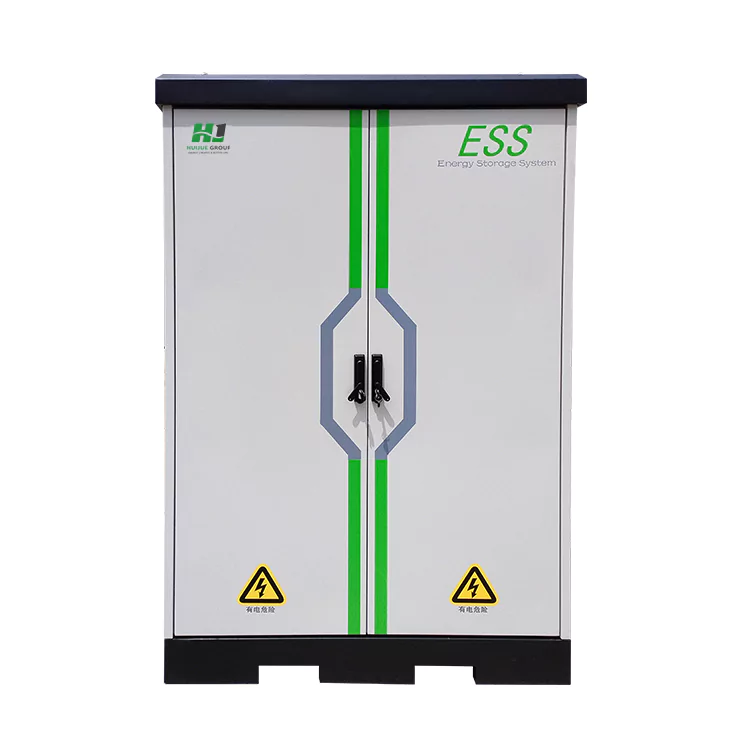
In today’s technology-driven world, reliable power storage is essential for businesses, industries, and data-driven facilities. Whether it is a telecommunications network, data center, renewable energy installation, or industrial power system, safe and organized battery storage plays a crucial role in maintaining uninterrupted operations. Two of the most common solutions used for this purpose are the battery cabinet and the battery enclosure.
While both options are designed to protect and organize battery systems, they serve slightly different purposes depending on the environment, level of protection required, and application. Understanding the differences between a battery cabinet and a battery enclosure can help businesses choose the right power storage solution for their facility.
This article explores the features, benefits, and applications of both solutions to help you make an informed decision.
Understanding the Role of Battery Storage Systems
Modern facilities rely heavily on backup power systems to avoid downtime and maintain operational continuity. Batteries are widely used in applications such as uninterruptible power supply (UPS) systems, renewable energy storage, telecom infrastructure, and industrial automation.
However, batteries require proper protection and organization. They must be shielded from environmental factors, physical damage, and temperature fluctuations. This is where a battery cabinet or battery enclosure becomes essential.
These storage solutions are specifically designed to house batteries safely while ensuring easy access for maintenance and monitoring.
What Is a Battery Cabinet?
A battery cabinet is an indoor storage unit designed to hold and organize multiple batteries in a controlled environment. It is commonly used in data centers, server rooms, telecom facilities, and commercial buildings where battery backup systems are required.
Battery cabinets are typically made from durable steel and feature multiple shelves or racks to support heavy battery units. They are engineered to maximize space efficiency while maintaining proper ventilation for heat dissipation.
Key Features of a Battery Cabinet
- Structured Storage Layout
A battery cabinet provides an organized structure with shelves or compartments designed to support multiple batteries safely. - Ventilation and Cooling
Proper airflow is crucial for battery performance. Many battery cabinets include ventilation systems that prevent overheating. - Compact Design
Facilities with limited indoor space benefit from the compact and vertical design of a battery cabinet. - Easy Maintenance Access
Battery cabinets allow technicians to easily inspect, replace, or maintain battery units without disrupting the entire system.
Because of these advantages, a battery cabinet is widely used in controlled indoor environments where environmental exposure is minimal.
What Is a Battery Enclosure?
A battery enclosure, on the other hand, is designed to provide enhanced protection for battery systems, especially in outdoor or harsh environments. Unlike a standard cabinet, a battery enclosure is built with additional protective features to shield batteries from weather conditions, dust, moisture, and physical damage.
Battery enclosures are commonly used in renewable energy systems, telecommunications towers, transportation infrastructure, and industrial sites where batteries must operate outdoors.
Key Features of a Battery Enclosure
- Weather Protection
A battery enclosure is designed to withstand rain, wind, extreme temperatures, and UV exposure. - Dust and Moisture Resistance
High-quality enclosures often meet IP or NEMA ratings to protect sensitive battery systems. - Thermal Management
Many battery enclosure designs include insulation, ventilation, or cooling systems to regulate temperature. - Security Features
Locking mechanisms and reinforced construction prevent unauthorized access or vandalism.
These features make a battery enclosure an ideal choice for installations that require robust environmental protection.
Battery Cabinet vs Battery Enclosure: Key Differences
Although both solutions serve the purpose of storing batteries, the main difference lies in their level of protection and intended environment.
1. Installation Environment
A battery cabinet is primarily used indoors where the environment is controlled. Facilities such as data centers, hospitals, and office buildings commonly rely on these cabinets for backup power systems.
A battery enclosure, however, is designed for outdoor installations or industrial settings where exposure to weather and environmental hazards is a concern.
2. Protection Level
Battery cabinets provide basic protection and organization, while a battery enclosure offers advanced protection against environmental conditions such as rain, dust, and extreme temperatures.
3. Structural Design
Battery cabinets typically focus on space efficiency and ease of maintenance. Battery enclosures, in contrast, prioritize durability, weather resistance, and security.
4. Application Scope
Battery cabinets are best suited for indoor UPS systems and server rooms. Battery enclosures are commonly used in renewable energy systems, telecom towers, and remote infrastructure.
Understanding these differences is essential when selecting the right solution for your facility.
Applications of Battery Cabinets and Battery Enclosures
Both solutions play a vital role in modern infrastructure and energy systems.
Data Centers and IT Facilities
Data centers rely on backup power to maintain continuous operations. A battery cabinet provides organized storage for UPS batteries while allowing technicians to perform routine maintenance efficiently.
Telecommunications Infrastructure
Telecom towers and network facilities often use a battery enclosure to protect power storage systems installed outdoors. These enclosures ensure batteries remain operational despite harsh environmental conditions.
Renewable Energy Systems
Solar and wind energy installations require reliable battery storage to manage energy fluctuations. In these cases, a battery enclosure protects the battery system from weather exposure while maintaining optimal operating conditions.
Industrial Facilities
Manufacturing plants and industrial operations also rely on backup power systems. Depending on the installation environment, they may use either a battery cabinet or a battery enclosure to house their battery banks.
Factors to Consider When Choosing Between a Battery Cabinet and Battery Enclosure
Selecting the right solution depends on several important factors.
Environmental Conditions
If the batteries will be installed indoors, a battery cabinet is usually sufficient. For outdoor installations, a battery enclosure provides the necessary protection.
Safety Requirements
Safety is critical when dealing with high-capacity battery systems. Both cabinets and enclosures should include ventilation, fire resistance, and secure mounting features.
Space Availability
Facilities with limited indoor space often prefer compact battery cabinets, while outdoor installations may have more flexibility with battery enclosure sizes.
Maintenance Accessibility
Ease of access for maintenance and inspection is another important consideration. A well-designed battery cabinet or battery enclosure should allow technicians to service batteries safely and efficiently.
The Future of Battery Storage Solutions
As industries continue to adopt renewable energy systems, smart grids, and advanced power backup technologies, the demand for reliable battery storage solutions is increasing rapidly.
Manufacturers are now developing innovative designs that combine the advantages of both battery cabinet and battery enclosure systems. These modern solutions offer improved thermal management, enhanced safety features, and smarter monitoring capabilities.
With energy storage becoming a key component of modern infrastructure, selecting the right battery housing system is more important than ever.
Conclusion
Choosing between a battery cabinet and a battery enclosure depends largely on the installation environment, level of protection required, and the specific needs of your facility. A battery cabinet is ideal for organized indoor battery storage, particularly in data centers and commercial buildings. In contrast, a battery enclosure provides the durability and environmental protection necessary for outdoor and industrial applications.
By carefully evaluating your facility’s requirements, you can select the most effective power storage solution to ensure safety, reliability, and long-term performance. Whether you opt for a battery cabinet or a battery enclosure, investing in the right storage system will help protect your batteries and maintain uninterrupted power for your operations.