
Getting a new dog is exciting, but it also comes with responsibility. One of the most important things you can do as a dog owner is start obedience training at the right time. Many people wonder if they should begin training right away or wait until their dog is older.
The truth is, the age you start training can shape your dog’s behavior for life. Good habits built early are easier to maintain, while bad habits can be hard to fix later. Training is not just about teaching commands. It is about building trust, communication, and a strong bond between you and your dog.
In this guide, we will break down the best age to start obedience training, why timing matters, and how you can get started the right way. Whether you have a young puppy or an older dog, you will find practical tips that actually work.
If you are looking for structured support, enrolling in Dog obedience classes Melbourne can help you build a strong training foundation with expert guidance and real-world practice.
What Is Dog Obedience Training?
Obedience training teaches your dog how to behave and respond to your commands. It creates a clear line of communication between you and your pet.
Basic Commands Every Dog Should Learn
Every dog should learn a few core commands that help manage behavior and keep them safe:
- Sit
- Stay
- Come
- Heel
- Leave it
These commands may seem simple, but they are the building blocks of good behavior. Consistency and repetition are key to helping your dog understand them.
Why Obedience Training Matters
Training is not just about control. It helps your dog feel secure and confident. A well-trained dog is easier to manage in public, safer around others, and less likely to develop unwanted behaviors like jumping or excessive barking.
What Is the Best Age to Start Obedience Training?
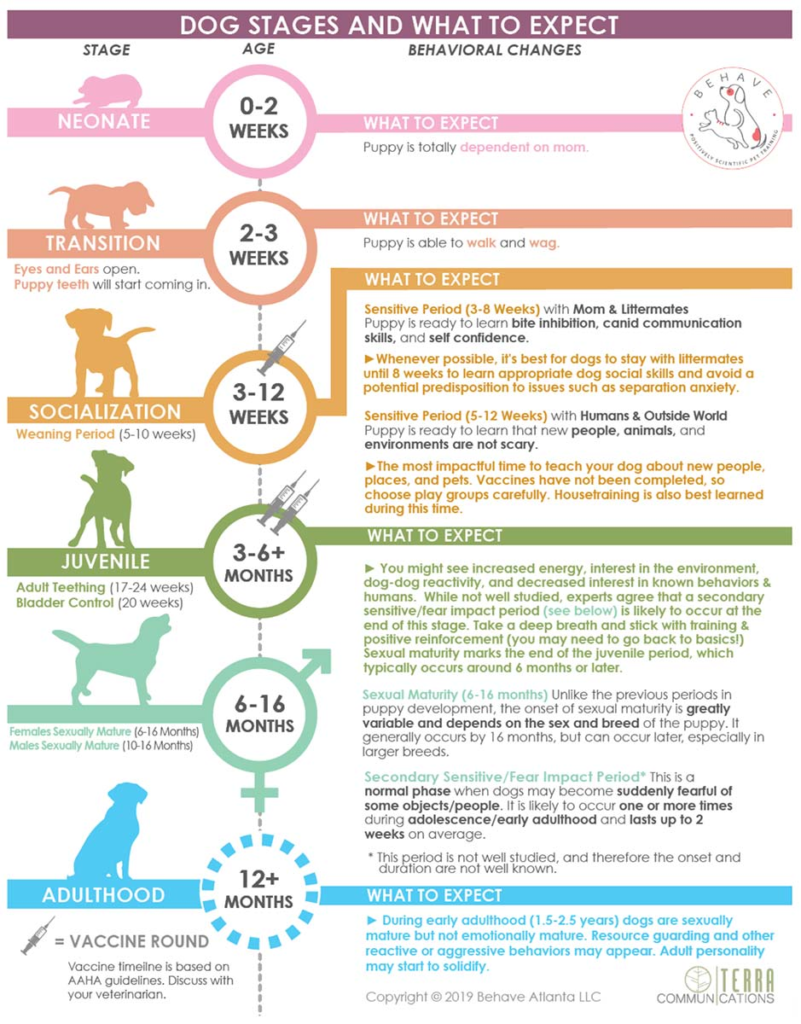
The best time to start training depends on your dog’s age, but earlier is usually better.
Training Puppies (8–16 Weeks)
This is the ideal time to begin. Puppies are like sponges during this stage. They learn quickly and are more open to new experiences.
Early training should focus on:
- Simple commands
- Socialization with people and other dogs
- Positive reinforcement
Keep sessions short and fun. Puppies have limited attention spans, so 5 to 10 minutes at a time is enough.
Training Adolescent Dogs (4–12 Months)
At this stage, dogs may become more independent and easily distracted. This is when consistency becomes very important.
You should:
- Reinforce basic commands
- Practice in different environments
- Stay patient during stubborn phases
Training during this phase helps prevent behavioral issues from developing.
Can You Train an Older Dog?
Yes, you can train a dog at any age. Older dogs may take more time to learn, but they are still capable.
Focus on:
- Patience
- Clear communication
- Reward-based methods
The idea that you cannot teach an old dog new tricks is simply not true.
Why Early Training Is Important
Starting early gives your dog a strong foundation that lasts a lifetime.
Socialization and Confidence Building
Early exposure to different people, sounds, and environments helps your dog feel comfortable in new situations. This reduces fear and anxiety later in life.
Preventing Bad Habits
It is easier to prevent problems than to fix them. Training early can stop behaviors like:
- Biting
- Chewing furniture
- Jumping on people
Strengthening the Owner-Dog Bond
Training builds trust. Your dog learns to look to you for guidance, and you learn how to understand your dog’s behavior.
Signs Your Dog Is Ready for Training
Most dogs are ready to start learning earlier than people think.
Ability to Focus
Even short moments of attention are enough to begin training.
Responding to Name and Sounds
If your dog reacts to their name or nearby sounds, they are ready to learn commands.
Curiosity and Willingness to Learn
Dogs that show interest in their surroundings are more open to training.
How to Start Obedience Training
Getting started does not have to be complicated. Simple steps can lead to great results.
Start with Positive Reinforcement
Reward your dog with treats, praise, or toys when they follow a command. This encourages them to repeat the behavior.
Keep Training Sessions Short
Short sessions help your dog stay focused. Over time, you can slowly increase the duration.
Be Consistent with Commands
Use the same words and tone every time. Changing commands can confuse your dog.
Practice Daily
Daily practice helps turn commands into habits. Even a few minutes each day can make a big difference.
Should You Choose Professional Training Classes?
Training at home works well, but professional classes can speed up the process and improve results.
Benefits of Professional Trainers
Professional trainers offer:
- Structured lessons
- Expert advice
- Controlled environments for learning
They can also help correct mistakes that many owners make without realizing it.
When to Consider Obedience Classes
You may benefit from classes if:
- You are a first-time dog owner
- Your dog shows behavioral issues
- You want faster and more reliable results
Classes also provide valuable socialization opportunities for your dog.
Common Mistakes to Avoid
Even with the best intentions, some mistakes can slow down progress.
Starting Too Late
Delaying training can make it harder to correct unwanted behaviors.
Using Punishment Instead of Rewards
Punishment can create fear and damage trust. Positive reinforcement works better and builds confidence.
Inconsistent Training
If rules change often, your dog will get confused. Consistency is key.
Expecting Quick Results
Training takes time. Progress may be slow at first, but consistency will pay off.
How Long Does Obedience Training Take?
There is no fixed timeline for training. Every dog is different.
Factors That Affect Training Time
Training speed depends on:
- Breed
- Age
- Personality
- Consistency of practice
Some dogs learn quickly, while others need more repetition.
Setting Realistic Expectations
Obedience training is not a one-time task. It is an ongoing process that continues throughout your dog’s life.
Final Thoughts: When Should You Start?
The best time to start obedience training is as early as possible. Puppies can begin learning basic commands at just a few weeks old, but older dogs can still be trained successfully with patience and consistency.
The key is to stay committed, use positive methods, and make training a regular part of your routine. With the right approach, you can raise a well-behaved, confident dog that is a joy to be around.