
Key Takeaways:
- Manhattan’s unique architectural landscape is influencing global urban home design trends.
- Innovative use of space and sustainable practices are at the forefront of Manhattan’s design evolution.
- Technological integration and personalization are becoming standard in modern urban homes.
Table of Contents:
- Introduction
- Maximizing Space in Compact Living
- Sustainable and Green Designs
- Technological Integration in Modern Homes
- Personalization and Unique Aesthetics
- The Rise of Mixed-Use Developments
- Influence on Global Urban Design
- Final Thoughts
Introduction
Manhattan, the heart of New York City, has long been a beacon of architectural innovation and urban design. Its dense population and limited space have necessitated creative solutions that are now influencing urban home design worldwide. For those interested in experiencing this unique architectural landscape firsthand, exploring homes for sale in Manhattan offers a glimpse into the cutting-edge designs shaping modern urban living. The Novo Collective, a team of elite real estate professionals led by Monica Novo, specializes in connecting clients with properties that exemplify these trends. With over 30 years of expertise in the New York Metro marketplace, The Novo Collective has been instrumental in representing some of the city’s most reputable residential developers, making them a trusted authority in Manhattan real estate.
Maximizing Space in Compact Living
In Manhattan, where every square foot is precious, architects and designers have mastered the art of maximizing space. Open-concept layouts with purposeful zoning are becoming the standard, enabling multifunctional areas that serve various needs without compromising aesthetics. For instance, a living room might seamlessly transition into a home office or dining area, utilizing sleek partition walls or changes in flooring to delineate spaces without the need for traditional walls.
Another innovative approach to maximizing limited living space is integrating transforming furniture and built-in storage solutions. Murphy beds, expandable kitchen islands, and modular shelving systems are standard features in many Manhattan apartments. These solutions empower residents to enjoy flexible living environments that adapt to their daily routines and changing needs. Custom millwork, clever under-stair storage, and furniture with hidden compartments further enhance the sense of spaciousness and organization in compact urban homes.
Sustainable and Green Designs
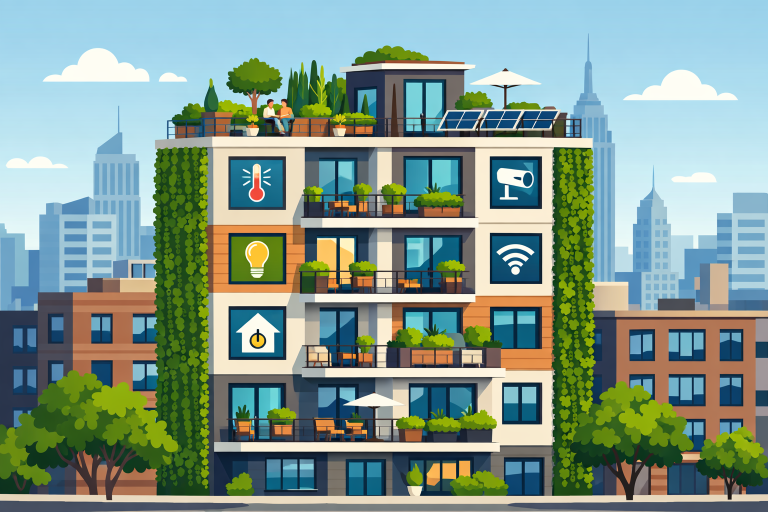
Environmental consciousness is at the forefront of Manhattan’s design evolution. The integration of natural materials, such as warm wood, textured stone, and handmade ceramic tiles, adds an earthy sophistication to urban interiors. Additionally, incorporating green spaces, such as rooftop gardens and vertical plant walls, not only enhances aesthetics but also improves air quality and energy efficiency.
LEED-certified buildings are now a hallmark of Manhattan’s landscape, reflecting an increased investment in sustainability from both developers and residents. Energy-efficient appliances, LED lighting, and low-flow water fixtures are frequently employed to reduce the carbon footprint of urban homes. Many developers are also focusing on recycled or reclaimed materials, further highlighting the importance of sustainability in today’s market.
Beyond tangible materials, passive design strategies are also gaining momentum. Large windows that capture abundant natural light reduce the need for artificial lighting during daytime hours, and carefully designed floor plans promote natural ventilation. Building facades may feature green roofs and living walls, which regulate interior temperatures while providing a touch of nature in the bustling city environment. These initiatives contribute to a healthier and more harmonious living space, reinforcing Manhattan’s status as a leader in green urban design.
Technological Integration in Modern Homes
Modern Manhattan homes are embracing technology to enhance comfort and efficiency. Smart home systems that control lighting, temperature, and security are seamlessly integrated into the design, offering residents convenience at their fingertips. This subtle integration ensures that technology complements the home’s aesthetics rather than detracting from it.
Touchless controls, voice-activated assistants, and Wi-Fi-enabled appliances provide a futuristic yet accessible standard of living across many new developments. Many homes are also equipped with remote-access security cameras, advanced HVAC systems, and high-speed internet wiring to support remote work and entertainment. Environmental monitoring devices that track air quality and real-time energy consumption have become popular among tech-savvy Manhattanites, allowing them to make informed choices about their home’s environmental impact.
Furthermore, the trend of integrated technology is extending to shared amenities in residential complexes. Residents can book common spaces, track package deliveries, or connect with building management via dedicated apps, further optimizing daily urban living and fostering a stronger sense of residential community.
Personalization and Unique Aesthetics
Gone are the days of cookie-cutter interiors. Manhattan homeowners are increasingly seeking personalized designs that reflect their individuality. This trend includes bold colors, unique art pieces, and custom furniture that make each home a reflection of its owner’s personality. The influence of vibrant color palettes, reminiscent of Miami’s design aesthetic, is also making its way into Manhattan interiors, adding warmth and energy to urban spaces.
Personalization often extends to locally-made art, handwoven textiles, and statement lighting fixtures. These thoughtful touches foster authenticity and create a distinct ambiance unique to each residence. Homeowners are collaborating with artisans to create custom millwork, one-of-a-kind rugs, or original murals. Even within large high-rise developments, it is now common to see design packages that offer multiple customizable finishes and fixtures, helping residents shape spaces that feel truly their own.
The Rise of Mixed-Use Developments
Manhattan’s urban landscape is witnessing a surge in mixed-use developments that combine residential, commercial, and recreational spaces. These developments cater to the modern urbanite’s desire for convenience and community, offering amenities such as fitness centers, coworking spaces, and retail shops within the same building. This trend not only maximizes space but also fosters a sense of community among residents.
Residents of these developments benefit from a ‘live-work-play’ environment that embodies the essence of city life. Rooftop lounges, community event spaces, and on-site wellness centers often transform these buildings into vibrant neighborhoods in their own right. The blending of living and working environments has become especially significant in the post-pandemic era, where remote and hybrid work arrangements are increasingly common. As these developments spread across Manhattan, they exemplify the city’s adaptation to the evolving demands of urban residents.
Developers are also investing in public art installations, green plazas, and open-air marketplaces within these projects, not only enriching the residents’ quality of life but also contributing to the city’s wider cultural and social vibrancy. Mixed-use development is helping redefine what it means to live and thrive within a dense urban fabric.
Influence on Global Urban Design
The innovative design solutions emerging from Manhattan are setting a precedent for urban home design worldwide. Cities facing similar challenges of space constraints and environmental concerns are looking to Manhattan’s models for inspiration. The emphasis on sustainability, technology, and personalization is becoming a global standard in urban home design.
Architects and planners from cities such as London, Singapore, and Tokyo are closely studying Manhattan’s approach, particularly its emphasis on density without sacrificing livability. The adoption of green building standards, flexible living spaces, and technologically integrated homes is becoming increasingly popular in urban centers worldwide. In short, Manhattan’s design DNA is now influencing the residential towers and compact urban living models in cities well beyond New York’s borders.
As global urbanization accelerates, the lessons learned from Manhattan’s ongoing transformation stand to inform the next generation of urban development projects, prioritizing both human experience and sustainability at every stage of design.
Final Thoughts
Manhattan’s approach to urban home design is a testament to the city’s resilience and creativity. By addressing challenges with innovative solutions, Manhattan is not only enhancing residents’ living experience but also shaping global urban design trends. As cities continue to grow and evolve, the lessons learned from Manhattan’s design evolution will undoubtedly play a crucial role in shaping the future of urban living.
The forward-thinking spirit of Manhattan is visible in every detail, from the adaptive use of every square foot to the careful integration of nature and technology. With every new building or renovation, the city’s designers, developers, and residents collectively contribute to a future where urban living is smarter, greener, and more attuned to the needs and aspirations of those who call these dynamic spaces home.
As the world looks to Manhattan for inspiration, the fusion of tradition with innovation continues to define the city’s identity and its impact on urban lifestyles worldwide. Whether you are seeking a home in Manhattan or simply studying its trends to inform your own designs, it is clear that the city’s creative solutions set a gold standard for urban living, shaping the skylines and the way of life in cities around the globe.