
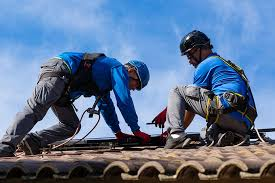
A well-maintained roof doesn’t just protect your home—it preserves its value, energy efficiency, and structural integrity. Yet many homeowners assume that once signs of wear appear, a full replacement is inevitable. In reality, there are practical, cost-effective ways to extend the life of your roof without committing to a major renovation.
Understanding how to care for your roof proactively can help you avoid premature replacement and unexpected expenses. Here’s how to get more years out of your existing roof with smart, consistent upkeep.
Understand the Most Common Causes of Roof Wear
Before diving into solutions, it’s important to know what typically shortens a roof’s lifespan. Most issues stem from a handful of preventable factors:
- Weather exposure (UV rays, rain, wind, and storms)
- Poor ventilation leading to trapped heat and moisture
- Clogged gutters causing water backup
- Neglected minor damage that worsens over time
- Low-quality installation or materials
Even the best roofing systems degrade faster when these issues are ignored. The good news is that many of them are manageable with routine care.
Schedule Regular Roof Inspections
One of the simplest yet most effective ways to extend your roof’s life is through regular inspections. Ideally, you should check your roof:
- Twice a year (spring and fall)
- After major storms
- When you notice interior signs like leaks or stains
Professional inspections can identify small problems—like cracked shingles, loose flashing, or early leaks—before they escalate. Addressing these early can add years to your roof’s lifespan.
Keep Gutters Clean and Functional
Gutters play a critical role in directing water away from your roof and foundation. When they’re clogged, water can pool and seep under roofing materials, causing rot and structural damage.
To maintain proper drainage:
- Remove leaves and debris regularly
- Ensure downspouts direct water away from your home
- Check for sagging or disconnected sections
This simple maintenance task can significantly reduce water-related wear.
Improve Roof Ventilation
Ventilation is often overlooked, but it’s essential for roof longevity. Poor airflow traps heat and moisture in your attic, which can:
- Warp roofing materials
- Encourage mold growth
- Increase energy costs
Proper ventilation systems allow hot air to escape and fresh air to circulate, keeping your roof and attic in healthier condition year-round.
Address Minor Repairs Immediately
Small issues rarely stay small. A missing shingle or tiny leak might not seem urgent, but over time, these can lead to:
- Water damage
- Insulation problems
- Structural weakening
Timely repairs are far more affordable than large-scale fixes. If you’re unsure where to start, reviewing professional guidance from sources like idealroofingandexteriors.com can provide helpful context on maintenance priorities and repair options.
Trim Overhanging Branches
Trees add beauty and shade to your property, but overhanging branches can be a hidden threat to your roof. They can:
- Scratch and wear down shingles
- Drop debris that traps moisture
- Break off during storms and cause impact damage
Keeping branches trimmed back reduces these risks while still allowing you to enjoy your landscape.
Prevent Moss and Algae Growth
Moss and algae thrive in damp, shaded environments and can damage roofing materials over time. Moss, in particular, retains moisture, which can lead to rot and deterioration.
To prevent growth:
- Keep your roof clean and dry
- Install zinc or copper strips to inhibit moss
- Remove buildup gently to avoid damaging shingles
Consistent prevention is far easier than dealing with widespread growth later.
Ensure Proper Insulation
Insulation works hand-in-hand with ventilation to regulate temperature and moisture levels. Without it, heat can escape unevenly, causing issues like ice dams in colder climates or excessive heat buildup in warmer areas.
Good insulation helps:
- Maintain consistent indoor temperatures
- Reduce strain on roofing materials
- Improve overall energy efficiency
It’s a long-term investment that benefits both your roof and your utility bills.
Be Mindful of Roof Traffic
Walking on your roof might sometimes be necessary, but excessive foot traffic can cause damage—especially on older or more delicate materials.
If access is required:
- Use proper safety equipment
- Step carefully to avoid pressure points
- Limit unnecessary movement
When possible, leave inspections and repairs to professionals who understand how to navigate roofs safely.
Plan for Preventive Maintenance, Not Just Repairs
Many homeowners take a reactive approach—fixing problems only when they become obvious. A better strategy is preventive maintenance, which focuses on keeping everything in good condition before issues arise.
A simple maintenance plan might include:
- Annual professional inspections
- Seasonal cleaning (gutters and debris)
- Quick response to visible damage
- Periodic evaluation of ventilation and insulation
This approach not only extends your roof’s life but also provides peace of mind.
Conclusion
Extending the lifespan of your roof doesn’t require a full overhaul or expensive upgrades. With consistent care, timely repairs, and attention to key factors like ventilation and drainage, you can significantly delay the need for replacement.
A proactive mindset makes all the difference. By treating your roof as a system that needs regular upkeep—not just emergency fixes—you protect your home, your budget, and your long-term investment.