
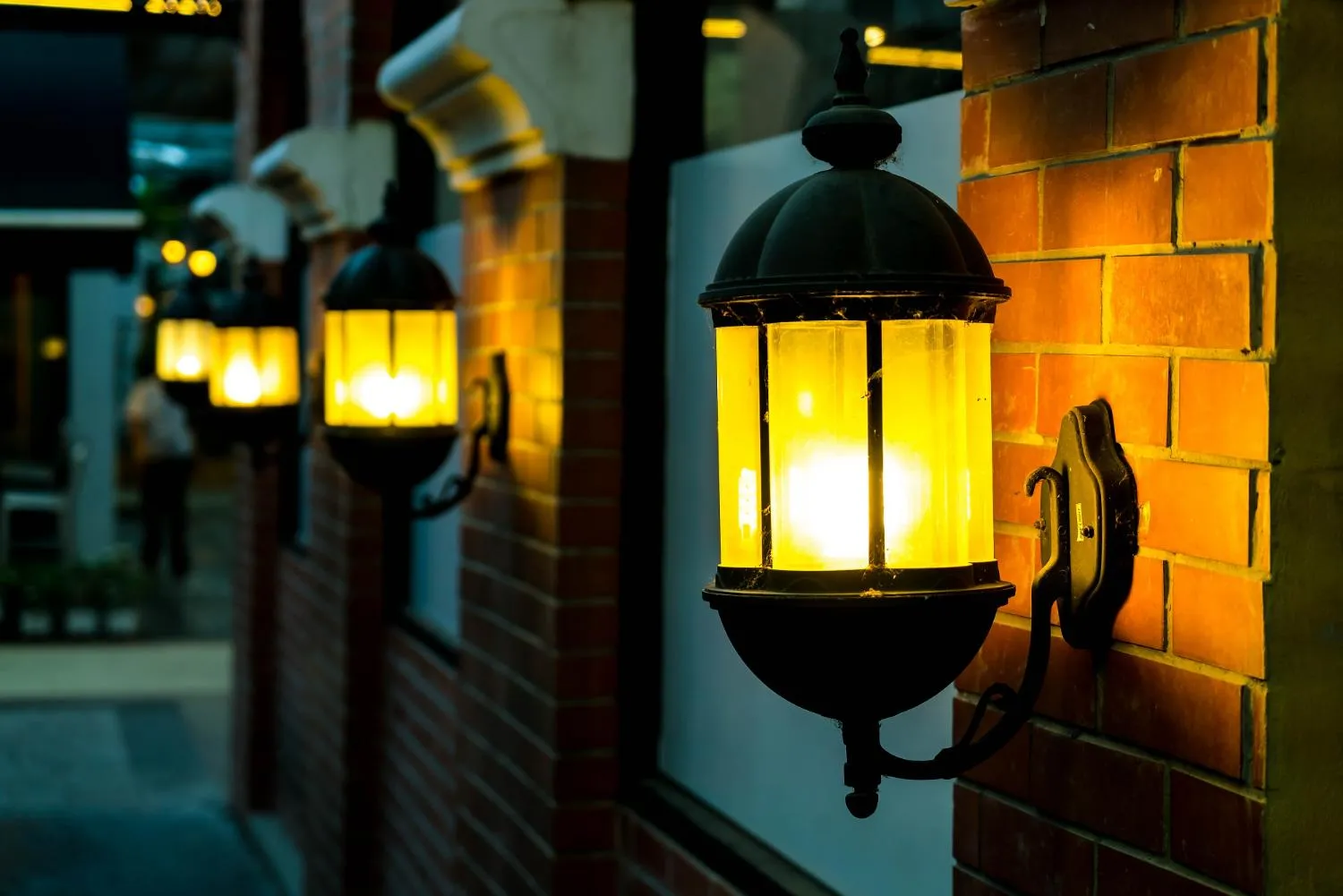
Creating an attractive outdoor space doesn’t have to mean increasing your home’s electricity consumption. With the right planning, homeowners can use solar technology to illuminate pathways, gardens, driveways, patios, and outdoor entertaining areas while reducing their reliance on grid electricity.From solar lights to decorative garden fixtures, there are plenty of options for transforming a yard with renewable energy.
However, creating an effective solar lighting system requires more than simply placing lights around the garden. You need to consider sunlight, positioning, brightness, weather exposure, maintenance, and the overall design of the space.
Start with a solar lighting plan
Before purchasing lights, walk around your property during the day and identify the areas that would benefit most from illumination.
Consider pathways, steps, garden beds, driveways, patios, entrances, trees, fences, and architectural features. Think about where you need practical visibility and where lighting is primarily decorative.
Create a simple map of your yard and mark potential light locations. This prevents you from buying too many fixtures and helps you create a consistent design.
You should also observe how sunlight moves across your property. A location that receives several hours of direct sunlight may be suitable for solar lighting, while a heavily shaded area may not provide enough energy for reliable nighttime operation.
Choose the right solar fixtures
Different areas of the yard require different types of lighting.
Pathway lights can guide people safely along walkways, while spotlights can highlight trees, sculptures, walls, or architectural details. String lights can create a relaxed atmosphere around patios and entertaining areas.
Another useful option is outdoor solar ground lights. These low-profile fixtures can be installed flush with the ground or close to it, making them suitable for pathways, garden borders, patios, and other areas where you want subtle illumination.
Because they sit close to the surface, solar ground lights can create a clean appearance without introducing tall fixtures into the landscape.
Focus on placement
Placement is one of the most important factors in solar lighting performance. Even high-quality fixtures may struggle if their panels do not receive enough sunlight.
Try to avoid placing solar panels beneath dense tree canopies, behind walls, or in areas shaded by buildings for most of the day. If the fixture has a separate panel, you may have more flexibility because the panel can be positioned to receive better sunlight.
Also consider the direction of the light. You do not want bright fixtures shining directly into windows or creating glare for people walking or driving.
Highlight landscaping features
Solar lighting can make landscaping more attractive after dark. Use spotlights to highlight mature trees, textured walls, water features, sculptures, or distinctive plants.
Ground-level lighting can also create interesting shadows and silhouettes. For example, strategically positioned solar ground lights can emphasize the shape of pathways or garden borders while maintaining a subtle appearance.
You should experiment with different angles before permanently positioning fixtures. Small adjustments can dramatically change the way plants and architectural features appear at night.
Improve driveway and pathway safety
Outdoor lighting is not only decorative. It can improve visibility around areas where people and vehicles move.
Place appropriate solar fixtures along pathways, steps, entrances, and driveway edges. Avoid positioning lights where they could become obstacles or interfere with vehicles.
For driveways, choose durable fixtures designed for outdoor conditions and position them where they are visible without creating glare for drivers.
Solar lighting can be particularly useful in areas where installing underground electrical wiring would be expensive or disruptive.
Consider motion sensors
Some solar lights include motion sensors that activate the fixture when movement is detected. These can be useful around entrances, garages, pathways, and other areas where lighting is only needed occasionally.
Motion-activated lighting can also conserve stored battery energy because the fixture does not need to operate at full brightness throughout the night.
However, not every area needs motion activation. Decorative garden lighting may look better when it remains illuminated consistently after sunset.
Choose durable materials
Outdoor lighting must withstand rain, wind, temperature changes, dust, and sunlight. Look for fixtures designed specifically for outdoor use and appropriate for your local climate.
Pay attention to construction quality, weather resistance, battery type, and warranty information. Cheaper fixtures may have a lower upfront cost but require more frequent replacement.
For areas exposed to foot traffic or weather, choose sturdy fixtures that are less likely to crack, corrode, or become damaged.
Maintain your solar lighting system
Solar lighting generally requires less maintenance than wired systems, but it is not maintenance-free.
Dirt, dust, leaves, and other debris can accumulate on solar panels, reducing their ability to capture sunlight. Try to clean the panels periodically with a soft cloth, using the manufacturer’s recommended method.
Check fixtures for damage and make sure plants have not grown over the panels. Keep in mind that batteries will eventually lose theircapacity to store and deliver power and will need to be replaced.
However, regular maintenance can help extend the useful life of your lighting system.
Combine function and style
The best solar landscape lighting designs combine practical needs with visual appeal. Rather than placing identical lights at every available location, create a balanced arrangement.
For example, pathway lights can guide visitors toward the front entrance, ground lights can define garden borders, and spotlights can highlight trees or architectural features.
Keeping the design consistent in color, finish, and general style can make the yard look more professionally planned.
Consider smart solar options
Some modern solar lighting systems offer advanced features such as adjustable brightness, multiple lighting modes, timers, and remote controls.
These features can provide greater control over how your outdoor lighting operates. However, they are not always necessary.
If your main goal is to reduce energy use and simplify installation, basic solar fixtures may provide everything you need. Choose technology based on your actual requirements rather than adding features simply because they are available.
Calculate your overall savings
Switching to solar landscape lighting can reduce electricity consumption, but the financial savings depend on the size and type of your existing lighting system.
If you currently use numerous wired lights for several hours every night, replacing them with solar fixtures may reduce ongoing electricity costs. However, solar lights also have purchase and replacement costs.
Compare the initial investment with expected operating savings and maintenance requirements. Consider the convenience of avoiding electrical wiring as another potential benefit.
Build your system gradually
You do not have to replace every outdoor light at once. Gradually replacing your lighting can make the transition easier and more affordable.
Start with high-priority areas such as pathways, entrances, and driveways. Once those areas are covered, add decorative lighting to gardens, patios, and other outdoor spaces.
This approach also allows you to see which types of fixtures perform best on your property before purchasing more.
Conclusion
Transitioning to 100% solar landscape lighting can make your outdoor space more energy-conscious, attractive, and functional. Solar technology provides homeowners with a convenient way to illuminate gardens, paths, driveways, patios, and entrances without relying entirely on traditional electrical power.
The key is to plan carefully. Choose suitable fixtures, position solar panels where they receive adequate sunlight, use different brightness levels, and maintain the equipment regularly.
By focusing on efficient design rather than simply adding more lights, you can create a welcoming yard that looks beautiful after dark while making better use of renewable energy.