
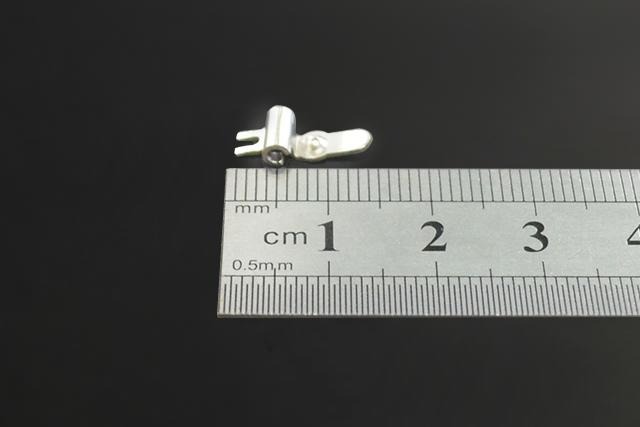
Open up a laptop, an electric vehicle, or a modern aircraft cabin and you will find stamped aluminum everywhere. It is light, strong, corrosion-resistant, and stamps beautifully — a combination no other common metal matches. Understanding why engineers specify aluminum stamping parts helps explain where manufacturing is headed.
The Weight Advantage Is Decisive
Aluminum weighs roughly a third of steel, and in transportation that translates directly to fuel savings or battery range. Every kilogram removed from a vehicle saves energy over its entire lifetime, which is why EV makers are relentless about lightweighting. Aluminum stamping parts deliver structural function at a fraction of steel’s mass — brackets, housings, heat shields, and battery enclosures that would be dead weight in steel become efficient in aluminum.
Strength Where It Counts
Pure aluminum is soft, but its alloys are a different story. The 5000 series (magnesium alloys like 5052) offers excellent formability with good corrosion resistance — the workhorse of stamped aluminum parts. The 6000 series can be heat-treated to strengths approaching mild steel. Proper alloy selection lets aluminum stamping parts meet demanding structural requirements while keeping the weight advantage intact.
Corrosion Resistance Built In
Unlike steel, aluminum forms a self-healing oxide layer that protects it from the elements. For parts exposed to weather, humidity, or chemicals, this natural defense eliminates entire coating steps. Marine hardware, outdoor enclosures, and under-hood automotive components all benefit. When engineers choose aluminum stamping parts for harsh environments, they are buying decades of maintenance-free service.
Stamping Aluminum Well
- Lubrication matters more than with steel — aluminum galls easily without proper die lubricants.
- Springback is higher, so dies must be designed with compensation built in.
- Sharp radii risk cracking; generous bend radii keep aluminum stamping parts defect-free.
- Anodizing after stamping adds wear resistance, color, and extra corrosion protection.
From consumer electronics to electric vehicles, the shift toward lightweight design keeps accelerating — and suppliers specializing in aluminum stamping parts are at the center of that transition.
Aluminum vs Steel: An Honest Head-to-Head
Engineers choose between these two metals constantly, and the right answer depends on priorities. Steel wins on raw strength, stiffness, and cost — for a given budget, steel gives you more mechanical performance. Aluminum wins on weight, corrosion resistance, and thermal conductivity. Fatigue behavior differs too: steel has a true endurance limit while aluminum does not, which matters in cyclically loaded designs. Manufacturing considerations cut both ways — steel is more forgiving in the press, while aluminum demands tighter process control. The trend favors aluminum where weight drives value (transportation, portable products) and steel where cost and strength dominate. Many assemblies sensibly use both, with aluminum stamping parts handling the lightweight skins and steel carrying the structural loads.
A Tour of Common Applications
Consumer electronics lead in precision: smartphone frames, laptop unibodies, and connector shields are all aluminum stamping parts made to micron-level tolerances. Automotive follows in volume: heat shields, battery trays, brackets, and trim — especially in EVs where every saved kilogram extends range. Aerospace uses aluminum stampings for interior components and secondary structures where the strength-to-weight math is unbeatable. And in appliances and lighting, aluminum’s formability enables the complex, attractive shapes designers want. Each sector exploits a different facet of the same material.
Alloy Selection Cheat Sheet
- 1100: maximum formability and corrosion resistance; low strength — best for deep draws and decorative parts.
- 3003: the general-purpose choice; good formability with moderate strength for aluminum stamping parts.
- 5052: the marine and automotive favorite; excellent corrosion resistance and weldability.
- 6061: heat-treatable strength approaching mild steel; needs careful bend radii.
- 7075: aerospace-grade strength; difficult to form — stamp only with expert tooling.
Finishing Options for Aluminum Parts
Raw stamped aluminum is only half the story — finishing determines appearance, durability, and sometimes function. Anodizing is the signature finish: an electrochemical process that builds a hard, corrosion-resistant oxide layer integral to the metal itself, available in clear or a spectrum of colors. For aluminum stamping parts that face abrasion, hard anodizing adds serious wear resistance. Powder coating provides thick, colorful protection at lower cost, ideal for visible consumer products. Chromate conversion offers a thin, conductive corrosion barrier where electrical grounding matters. And for decorative applications, polishing or brushing before anodizing creates premium metallic aesthetics. Specify the finish on the drawing — it affects tolerances, lead time, and cost, so late decisions cause late problems. Discuss finish options with your stamping partner early in the project: the right finish specification protects both appearance and function for the entire service life of the part.
The Sustainability Bonus
Aluminum is infinitely recyclable without quality loss, and recycling it uses about 5 percent of the energy of primary production. Stamping scrap goes straight back into the loop. For manufacturers under pressure to cut embodied carbon, aluminum stamping parts offer a rare combination: better performance today and a cleaner material story tomorrow.