
The Bill Nobody Questions (Until It Eats the Margin)
Walk into most businesses and ask about the electricity bill and you’ll get a shrug. It’s overhead — until someone actually reads it. Over the past decade, commercial electricity rates in many markets have climbed year after year, and for energy-hungry operations like cold storage, manufacturing, and hospitality, power now ranks among the top three operating costs. For a growing number of firms, commercial solar solutions are simply the cheapest source of daytime power available. That steady climb is the backdrop for a quiet shift: commercial solar solutions have moved out of the sustainability brochure and into capital planning meetings. The modern setup pairs panels with battery storage, so a business can generate its own electricity, sidestep the grid’s priciest hours, and keep running when the grid goes down. What follows is the business case in plain terms — where the savings come from, how storage changes the math, and what payback genuinely looks like.
Two Bills Stapled Together
A commercial power bill is really two bills in one. You pay for the energy you consume, measured in kilowatt-hours — and separately for your peak demand in kilowatts: the highest fifteen-minute spike of draw in the billing period. Demand charges alone can be a third to half of the total, and they punish exactly the moment a factory starts every machine at the beginning of a shift. Add time-of-use rates, where late-afternoon electricity can cost multiples of the nighttime price, and the bill turns into a puzzle few businesses ever solve. That’s the opening commercial solar solutions are built for: they hit both halves at once. Panels cut the kilowatt-hours bought from the utility, and with storage alongside, commercial solar solutions shave the peaks behind those demand charges. Very few investments strike both line items at the same time.
Why Panels Alone Leave Money on the Table
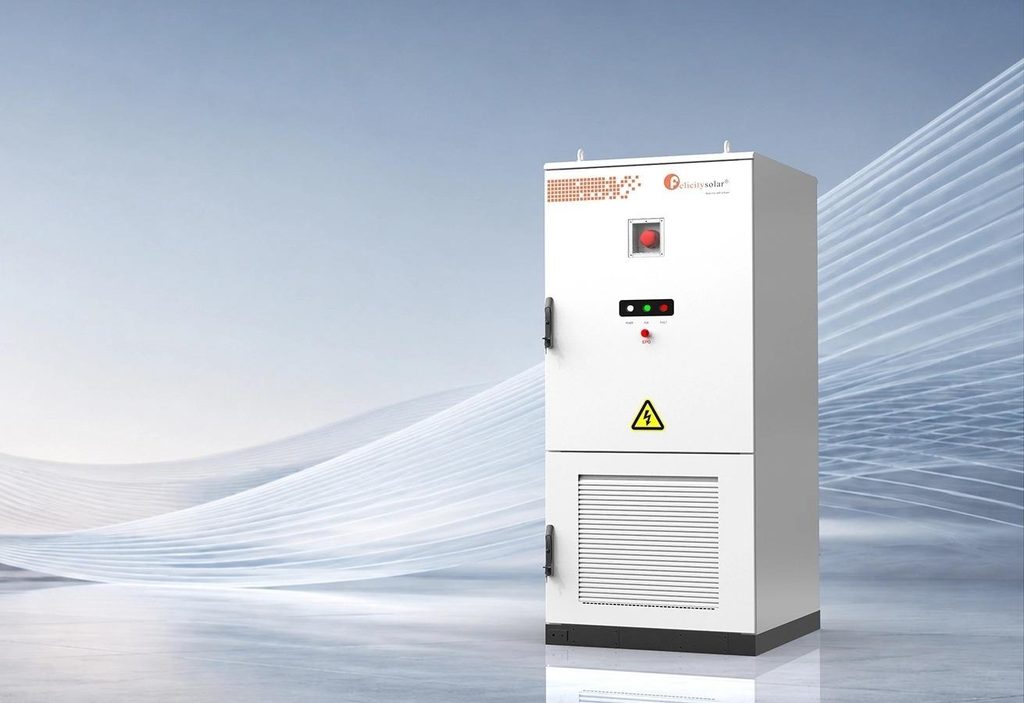
First-time buyers are often surprised to learn that solar panels by themselves are half a system. Panels produce when the sun shines, but a site’s most expensive hours frequently land in the late afternoon as solar output fades — precisely when time-of-use rates peak. Batteries close the gap. A well-designed commercial solar solution charges from the midday surplus and discharges through the costly hours, with control software deciding in real time whether to store, discharge, or hold capacity in reserve against an outage. The real engineering question isn’t panels versus batteries; it’s how the two are sized together against the site’s load profile. A refrigerated warehouse with a flat twenty-four-hour draw needs a different storage ratio than an office tower spiking at three in the afternoon. Serious commercial solar solutions begin with twelve months of meter data — never with a catalog kit.
Peak Shaving: The Fastest Money in the Building
If one mechanism turns skeptics into believers, it’s peak shaving. The utility logs your single highest fifteen minutes each month and bills you per kilowatt of that peak for the entire month — even if the spike lasted minutes. One bad afternoon can cost thousands. Batteries are the precision tool for this. The controller watches the building’s draw continuously and injects stored power the instant load threatens a new peak, clipping it before the utility’s meter registers anything. Solar helps by lowering the baseline the battery must defend. Operations that install commercial solar solutions primarily to erase demand charges tend to see the quickest returns, because every shaved kilowatt saves money twelve times a year rather than once. Add that commercial solar solutions also trim time-of-use exposure, and the monthly statement starts to look very different.
Backup Power That Earns Its Keep
Then there’s resilience — the line item accountants file under insurance, money spent hoping nothing happens. A six-hour outage that stops a production line costs far more than spoiled inventory: missed shipments, wages paid for idle hands, customers who quietly move to a competitor. Diesel generators answer this, but they sit unused ninety-nine percent of the time while demanding fuel contracts, regular testing, and maintenance. Storage inverts the equation. The same batteries trimming the bill every day become automatic backup the moment the grid fails — no fuel deliveries, no startup delay, no noise complaints from the neighbors. Where uptime equals revenue — clinics, server rooms, food processing — commercial solar solutions convert resilience from a sunk cost into infrastructure that pays daily and proves itself on the worst day.
Running the Payback Numbers Honestly
So what does the return actually look like? A typical commercial installation pays for itself in four to seven years, depending on local rates, incentives, and how spiky the load is. The panels keep producing for twenty-five years or more, so most of the system’s life is close to free electricity. The honest evaluation starts with interval meter data: model the demand charges, map the time-of-use exposure, then size the system to the economics instead of the roof area. When proposals land on your desk, compare the storage controls and the engineering underneath the panel wattage —
a credible commercial solar solutioncommercial solar solutions from an experienced provider arrives with year-by-year cash flows, written assumptions, and maintenance costs on the page, not just a glossy savings headline. Ask for degradation rates and demand-charge forecasts in writing; the proposals that survive hard questions are the ones worth signing.
Most businesses roll out in phases — solar first, storage second, or the worst-offending building first — and the grid connection is scheduled around a planned maintenance window so nothing stops. Done in that order, commercial solar solutions go in with minimal drama, and the first shrunken bill usually arrives before anyone’s forgotten the scaffolding was there.