
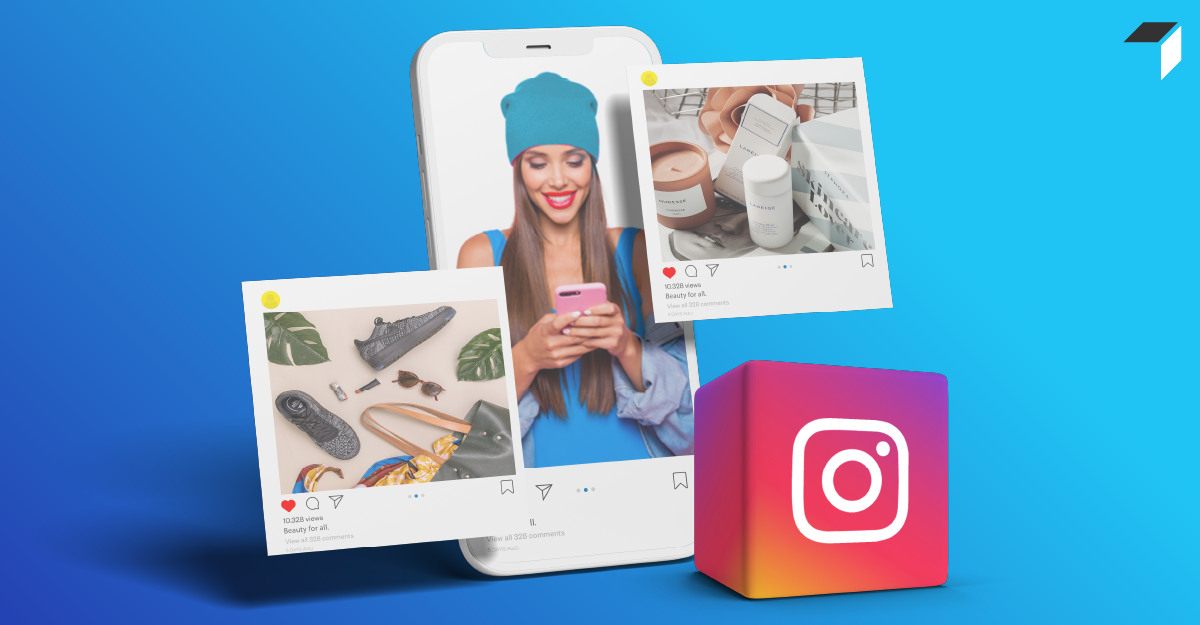
Instagram stands out for ecommerce marketing thanks to its visual format.
The app reaches over 1 billion people each month and offers practical tools: tags on products, links that actually click, and the ability to complete purchases without leaving Instagram. That setup improves the overall shopping flow and boosts sales numbers.
Recruitment is not about using the latest technology. The exact same logic applies to ecommerce marketing.
Instagram success isn’t gained by chasing every shiny new update or tool. It’s about choosing what fits strategically, engaging the right people, and turning that into measurable sales growth.
Here are seven reliable methods to lift ecommerce sales through Instagram:
1. Set Up Instagram Shopping
Let followers discover and purchase products right inside Instagram—no need to switch apps.
Every time you direct someone to an external site, there’s a real risk they won’t come back: distractions pop up, tabs get closed, or they simply forget. Instagram Shopping avoids that by handling the full journey within the platform.
Once your shop is live, it shows up as a tab on your profile. People tap “View Shop” and see your product catalog with images, prices, and descriptions. It works like a mini website.
Product tagging is the most useful part. You can tag items in regular posts, Stories, and Reels. Someone taps the tag, sees the product name and price, then taps again to check out.
Here are a few things to focus on when setting this up:
- Sync your catalog through Commerce Manager—double-check products, stock levels, and prices.
- Tag products in lifestyle shots (in use), not plain product photos.
- Set up the Shop tab with clear collections like “New Arrivals” or “Under $50.”
- Confirm eligibility: supported country + physical goods that follow Instagram rules.
2. Use Instagram as a Storefront
Online shoppers rely on visuals. They can’t see or touch products in person, so your profile needs to provide that information for them.
Show products from different angles and settings. A clothing item should be shown front and back, on a model, and in a lifestyle shot. Captions should include sizing, materials, and care instructions so users don’t have to search elsewhere.
Use Story Highlights to organize content into categories like new arrivals, reviews, or size guides. This helps new visitors find information fast.
A clean, visually consistent profile looks professional. That builds trust. And trust leads to sales.
3. Team Up With Niche Influencers
The Instagram algorithm prioritizes content from real people. That makes it harder for brands to grow organically. Partnering with niche influencers solves that problem—they already have established communities that trust them.
Micro-influencers (ten to fifty thousand followers) and nano-influencers (under ten thousand) are usually the best bet. Their audiences are smaller but more engaged. You get better interaction rates than you would with larger accounts. They’re also more affordable. Many will work in exchange for free product.
Pick influencers whose audience matches your customer base. Follower count is less important than relevance.
Unique discount codes for each one let you track sales and give followers a push to buy.
4. Create Instagram Stories and Reels
Over five hundred million people use Stories daily. They disappear after twenty-four hours, which creates urgency. Stories sit at the top of the app, so they’re hard to miss. Use them for time-sensitive content and promotions.
A few features help drive sales:
- Product stickers. Tag items so users can tap and checkout.
- Clickable links. Send people straight to product pages.
- Countdown stickers. Build hype for launches and send reminders.
Reels are for discovery. They show up on Explore where new people can find you. Short videos with trending audio get surfaced more by the algorithm.
Stories engage your current followers. Reels bring in new ones.
5. Promote Time-Limited Offers
Give followers a reason to buy immediately. Time-limited offers create that reason. When a deal expires, it pushes fence-sitters to decide.
Try 24-hour free shipping, a weekend sale, or a limited bundle. Put the expiration date where people can see it: on the graphic and in the text. Visibility is everything.
Use multiple posts to keep it front of mind. A feed post plus reminders in Stories works well. Also, make it easy to use. If the redemption process has too many steps, you lose the sale. Simple offers win.
6. Organize Brand Giveaways
Giveaways produce high levels of engagement and spark product interest. When set up correctly, they boost visibility rapidly, gain new followers, and supply valuable insights into audience likes.
Design entry rules to support clear goals. Comments naming a favorite product show which items stand out. Friend tags expand reach to potential new customers.
Contests do not require offering the complete lineup. A gift certificate gives the winner freedom to pick an item, guides them through checkout, and frequently results in repeat business.
Make rules explicit: detail entry actions, winner selection process, and exact closing time. Share the winner announcement publicly and feature participant submissions afterward. This keeps attention active and prolongs the overall benefit.
7. Run Instagram Ad Campaigns
Organic reach on Instagram is pretty limited these days. You can post consistently and still not get in front of many new people. That is why ads are worth considering. They let you bypass the algorithm and show your products to users based on things like their age, what they are interested in, and how they behave online.
You can set up campaigns with specific goals. Maybe you want more traffic to your site. Maybe you want direct sales. The platform lets you target custom audiences—like people who have visited your site before—or build lookalike audiences to find new users who match your best customers.
The ads themselves need to work, though. Strong visuals stop people from scrolling. Clear calls to action like Shop Now or Get Offer tell them what to do next. Run a few different versions and see what performs. Then put more budget behind the winners.
Conclusion
Nowadays, more users examine and buy things without leaving Instagram. This makes the platform an effective sales channel for ecommerce organizations looking to reach clients where they already spend their time.
You must put in the effort to determine what your unique audience reacts to, though. Test several sorts of content to see what engages people and leads to sales. Some of the tools available on Instagram will benefit your business, while others will not. Instead of chasing everything new, focus on what genuinely produces outcomes.