
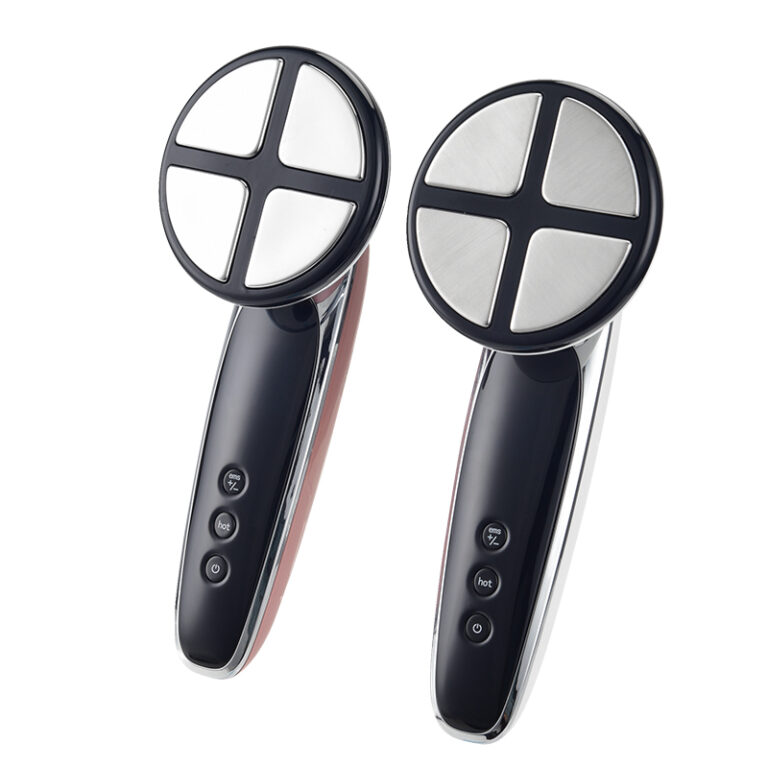
The most common mistake clinic owners make is falling in love with a machine before understanding who will use it. The right machine depends entirely on the clients the clinic serves.
If the client base is primarily young, fitness-focused individuals who want to enhance their athletic physique, a HIFEM machine with high intensity and multiple applicators is the right choice. These clients are looking for muscle definition and are willing to commit to a full course of treatments.
If the client base is older adults concerned with body shaping, skin laxity, and post-pregnancy recovery, a combination machine that pairs HIFEM with radio frequency may be more appropriate. The RF component addresses skin tightening, which is often a concern for this demographic.
If the clinic serves clients who are new to body contouring and want to try the service before committing to a full course, a machine with lower intensity and gentler protocols may be more suitable. These clients need a positive first experience.
The point is simple. The machine must match the client. A machine that is perfect for one clinic may be wrong for another.
The Question of Room Efficiency
Room efficiency is one of the most overlooked factors in machine selection. A machine that requires 45 minutes per treatment and treats only one area at a time will generate less revenue than a machine that treats two areas simultaneously in 30 minutes.
The number of applicators directly affects efficiency. A two-handle machine allows the practitioner to treat one area at a time. A four-handle machine allows two areas to be treated simultaneously, cutting treatment time in half and doubling the number of clients that can be served per day.
For clinics with high client volume and limited treatment rooms, the efficiency gain from a four-handle machine can justify the higher purchase price. For clinics with lower volume, a two-handle machine may be sufficient.
The Importance of After-Sales Support
The machine is only part of the investment. The support that comes with it determines whether the machine remains productive over its lifetime.
A reliable supplier provides training for the practitioner, technical support for troubleshooting, and a warranty that covers parts and labor. They maintain an inventory of spare parts and can ship replacements quickly. They answer questions and solve problems.
A supplier who disappears after the sale leaves the clinic owner to solve problems alone. When the machine breaks down, the clinic loses revenue until it is repaired. When the practitioner has a question, there is no one to ask.
Before purchasing, clinic owners should ask about the supplier’s track record. How long have they been in business? What do their existing customers say? What is their response time for technical support? These questions reveal more about the supplier than any brochure.
The Certification Question
Certifications are not just paperwork. They are evidence that the machine has been tested and meets recognized standards for safety and performance.
For clinics in the United States, FDA clearance is the baseline. For clinics in Europe, CE Medical certification is required. For clinics in other markets, equivalent certifications may apply.
Machines that lack these certifications may be cheaper, but they carry risks. They may not meet safety standards. They may not perform as claimed. They may not be insurable. They may expose the clinic to legal liability.
The cost of certification is built into the price of the machine. A machine that is significantly cheaper than its competitors may be cheaper because it has not been certified. Clinic owners should ask for documentation before purchasing.
The Financial Model
The financial success of an EMS body sculpting service depends on several variables. The price of the machine, the price of the treatment, the volume of clients, and the operating costs all affect the return on investment.
Clinic owners should create a financial model before purchasing. They should estimate the number of treatments they can perform per day, the price they can charge, and the operating costs. They should calculate the break-even point and the expected payback period.
A realistic model accounts for the time required to build awareness of the service, the cost of marketing, and the possibility that some clients will not complete their treatment course. A model that assumes full utilization from day one is not realistic.
The payback period for a quality machine is typically one to two years for a well-managed clinic. Clinics that invest in marketing and client education achieve faster payback.
The Training Requirement
No machine, no matter how advanced, can compensate for a practitioner who does not know how to use it. Training is essential.
The training should cover the technology, the treatment protocols, the anatomical considerations, and the contraindications. It should include hands-on practice and guidance on client consultation. It should be ongoing, with refresher courses and updates as new research emerges.
Clinics that invest in training produce better results. Better results lead to more satisfied clients. More satisfied clients lead to more referrals and repeat business. The investment in training pays for itself.
The Bottom Line
Choosing an EMS body sculpting machine is not about finding the most powerful device or the lowest price. It is about finding the right machine for the clinic’s clients, the clinic’s space, and the clinic’s business model. The decision requires research, reflection, and a clear understanding of what the clinic wants to achieve. The clinics that succeed with this technology are those that approach the purchase as a strategic business decision, not an impulse buy.