
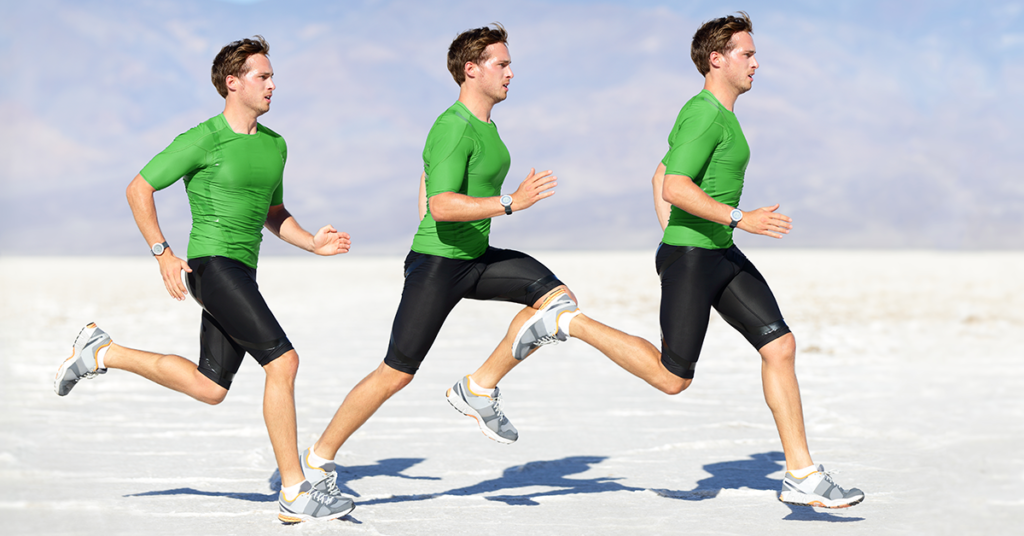
Running performance is influenced by many factors such as speed, endurance, posture, and stride. One key metric that experienced runners often monitor is cadence. Cadence refers to the number of steps taken per minute while running. Monitoring cadence helps runners develop better rhythm and efficiency. A cadence calculator is a practical tool that allows runners to measure their step frequency and make adjustments to improve their performance.
What Does Running Cadence Mean?
Cadence is simply the rate at which your feet hit the ground while running. It is usually measured in steps per minute (SPM).
Most runners maintain a cadence between 150 and 180 steps per minute, depending on their running speed and experience level. Increasing cadence slightly can often improve running efficiency and reduce impact forces on the body.
Why Cadence Matters for Runners
Cadence plays a major role in how efficiently a runner moves. When cadence is too low, runners may take longer strides that put extra pressure on their knees and hips.
Maintaining an optimal cadence offers several advantages:
- Helps prevent overstriding
- Reduces stress on joints
- Improves running rhythm
- Enhances speed and endurance
- Promotes smoother running motion
By focusing on cadence, runners can refine their technique and improve overall performance.
How a Cadence Calculator Works
A cadence calculator measures how many steps you take during a run and converts that data into steps per minute. Many runners use fitness apps, GPS watches, or smartphones to track this information.
Typical functions include:
- Step frequency measurement
- Pace and speed tracking
- Stride efficiency analysis
- Training performance history
- Integration with wearable devices
These features help runners understand how their running mechanics affect performance.
Ideal Cadence Range
Although many running experts suggest 180 steps per minute as an ideal cadence, the perfect cadence varies for each individual.
Several factors influence cadence:
- Running speed
- Height and leg length
- Fitness level
- Running surface or terrain
- Personal running style
Instead of targeting a specific number, runners should focus on gradual improvements that feel natural and comfortable.
Tips to Improve Running Cadence
Improving cadence takes time and consistent practice. Runners should aim to increase cadence gradually to avoid unnecessary strain.
Helpful techniques include:
- Shortening stride length
- Taking quicker steps
- Running with a steady rhythm
- Practicing cadence drills
- Tracking cadence regularly during workouts
These small adjustments can lead to noticeable improvements in running efficiency.
Using Technology for Running Analysis
Modern running tools have made it easier for runners to monitor performance. Digital apps and wearable devices provide detailed insights into running metrics such as cadence, stride length, and pace.
Many runners rely on tools like a cadence calculator to quickly measure step frequency and evaluate their running rhythm during training sessions.
Conclusion
Cadence is one of the most valuable metrics for improving running efficiency. By understanding how many steps you take per minute, you can identify ways to adjust your stride and reduce unnecessary impact on your body.
A cadence calculator helps runners monitor their running rhythm, track improvements, and develop a smoother and more efficient running style. With consistent training and careful analysis, runners can enhance both their performance and endurance.