
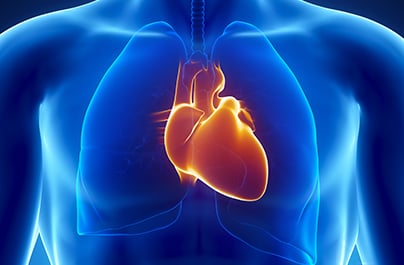
A suspected cardiac thrombosis (a blood clot inside the heart) is treated like a time-sensitive investigation. The clot itself can’t be seen from the outside, and symptoms may look like other heart conditions—so the diagnostic process focuses on one goal: confirm what’s happening inside the heart, identify the cause, and measure the risk of complications.
At Liv Hospital, this workup is usually organized into a clear pathway: risk assessment → rhythm check → imaging confirmation → lab evaluation → follow-up plan. For the official service page, you can also visit CARDIOLOGY Diagnosis and Tests.1) The First Clues: Symptoms + Risk Pattern (Not Just One Test)
Before any scanner or bloodwork, doctors look for a pattern that raises suspicion for a clot forming in the heart, such as:
- recent stroke-like symptoms (sudden weakness, speech issues)
- unexplained shortness of breath or fatigue
- chest discomfort after a heart attack
- irregular heartbeat episodes (often atrial fibrillation)
- history of heart failure, weak pumping, valve disease, or prior clots
This first step matters because it decides which test comes first and how urgently imaging should be done.2) Heart Rhythm Testing: Catching the “Trigger” Behind Many Clots
A large number of intracardiac clots are connected to rhythm problems, especially atrial fibrillation, where blood can pool and clot.ECG (Electrocardiogram)
An ECG is quick and painless, and it can reveal:
- atrial fibrillation / flutter
- signs of prior heart muscle injury
- conduction abnormalities that affect heart efficiency
Holter or extended rhythm monitoring
If symptoms come and go, a longer monitor can detect rhythm episodes that a short ECG might miss.
Why it matters: if a rhythm problem is confirmed, it often shapes the next steps—especially the urgency of anticoagulation and which imaging test gives the clearest answer.3) The Core Diagnostic Tool: Echocardiography (Heart Ultrasound)
Most cardiac thrombosis diagnoses are confirmed with ultrasound because it provides a live view of chambers, valves, and movement.Transthoracic echo (TTE)
This is the standard “probe on the chest” ultrasound and helps assess:
- heart pumping strength
- chamber size
- visible clots (especially in ventricles)
- valve issues that may promote clotting
Transesophageal echo (TEE)
If doctors need a closer view (often for the left atrium/appendage), TEE may be recommended because it can detect smaller or hidden clots more reliably.
What echo answers best:
- where the clot is
- how big it is
- whether it’s mobile (higher embolic risk)
- whether it’s linked to weak contraction, valve disease, or chamber enlargement
4) Advanced Imaging: CT or MRI for “Next-Level Detail”
When ultrasound is unclear—or when doctors need deeper detail—advanced imaging may be used.Cardiac CT
Often used when doctors need:
- sharper anatomy
- distinction between clot vs. other masses
- better visualization in complex structures
Cardiac MRI
Useful for:
- tissue characterization (fresh vs. older organized thrombus)
- additional detail on heart muscle health and scarring
- confirming findings when results are uncertain
Why this step is valuable: it helps doctors avoid “guessing” and choose the safest treatment route, especially if findings affect long-term therapy choices.5) Blood Tests: Supporting Evidence + Treatment Readiness
Blood tests do two big jobs:
- support the clinical picture
- confirm it’s safe to start specific medications
Common bloodwork may include:
- CBC (anemia, infection signs, platelets)
- kidney and liver function (important for medication selection/dosing)
- clotting profile (PT/INR, aPTT) to guide anticoagulation strategies
- D-dimer in selected situations (more useful for “screening,” not a final diagnosis)
If the clot risk seems unusual (young patient, recurrent clots, strong family history), doctors may also consider tests for inherited or acquired clotting disorders.6) When Coronary Disease Is Suspected: Angiography as a Related Test
Cardiac catheterization/angiography isn’t the primary test to “see” an intracardiac clot, but it may be done if:
- a heart attack is suspected
- coronary blockages need confirmation/treatment
- doctors need real-time pressure and flow information
In some cases, these findings explain why the clot formed (for example, a damaged segment of heart muscle after an infarction).7) After Confirmation: How Doctors Plan Follow-Up Testing
Once a clot is identified, diagnosis doesn’t “end”—it transitions into monitoring:
- repeat echocardiograms to confirm the clot is shrinking/stable
- rhythm reassessment if AFib is intermittent
- ongoing lab checks if medication requires monitoring
- prevention planning based on the cause (valve disease, rhythm issue, weak pumping, etc.)
This follow-up phase is how doctors reduce recurrence risk and adjust therapy safely.Supporting Recovery Through Everyday Wellness
After the diagnostic phase, many people feel anxious about activity, diet, and stress—especially while awaiting repeat imaging. Gentle, consistent wellness habits can support recovery routines and emotional stability during this period. If you’d like practical lifestyle guidance that complements medical follow-up, you can explore wellness topics at live and feel.