
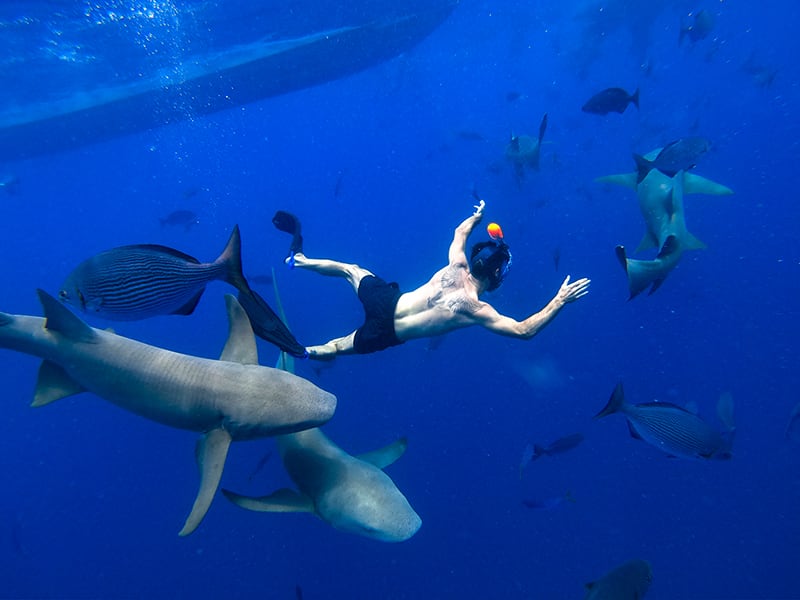
Oahu shark diving is one of those rare bucket-list activities that can feel completely different depending on who’s running the boat. With the right operator, it’s calm, organized, and oddly peaceful once you’re in the water. With the wrong one, it turns into a stressful morning where you feel rushed, under-briefed, and stuck on a boat with people treating wildlife like a prop.
If you’re booking shark diving on Oahu’s North Shore, the goal is simple: choose an operator that takes safety and respect seriously, runs a tight operation, and matches your comfort level. Here’s how to do that without getting lost in marketing photos.
If you want a deeper, step-by-step checklist that you can literally run through before you book, I keep it updated here in my guide on how to choose a shark dive operator in Oahu.
Start with the experience you actually want
Before you compare companies, decide what kind of trip you’re trying to have. Most “bad experiences” start with booking the wrong style of tour for the wrong person.
Ask yourself:
- Do I want cage diving because I’m nervous or not a strong swimmer?
- Am I considering cage-free because I’m confident in open water and want a more immersive feel?
- Do I care more about photos and comfort, or about price?
- Am I okay with a lively group vibe, or do I want something quieter and more controlled?
This matters because the best operator for a confident swimmer isn’t always the best one for a first-timer who’s nervous on boats.
What “reputable” looks like on a shark dive boat
A good operator doesn’t just have a nice website. It shows up in how the day runs.
1) The briefing feels clear and un-rushed
The best crews explain the plan in a way that makes you calmer, not more anxious. They should cover basic safety, how the entry works, how to position your body, and what not to do. You should feel like they’ve done this thousands of times, because they have.
If the briefing is sloppy or rushed, that’s a red flag. Shark diving is not the place to “figure it out as we go.”
2) The crew sets the tone
You’ll feel this immediately. On a good boat, the crew keeps everything steady and respectful. They don’t hype people into risky behavior, and they don’t tolerate guests trying to push boundaries for a dramatic video.
The ocean rewards calm. Your crew should reflect that.
3) The operation runs on time
It doesn’t have to be robotic, but it should be organized. Check-in is smooth. The boat loads efficiently. People know where to sit and what to do. Nobody is wandering around confused with a harness in their hands.
If the basics feel chaotic, the rest won’t improve offshore.
The big decision points that separate tours
These are the factors that actually change your day, even when two tours look identical online.
Group size and rotation time
Smaller groups usually mean less waiting, more personal attention, and better overall comfort. If you’re prone to anxiety, smaller groups help because you’re not absorbing the energy of a dozen strangers.
If you’re trying to compare options quickly, focus on the group size and how rotations work. That will tell you whether the experience is relaxed or rushed.
Boat comfort and ride quality
The boat ride is the part many first-timers underestimate. Wind and chop can make the ride out feel bouncy, and if you get motion sickness, it becomes the only thing you remember.
Look for details that signal comfort:
- Shaded seating
- Clear instructions about where to sit
- Professional crew who manage loading and movement on the boat
- Honest expectations about conditions
Entry style and comfort level
Cage dives and cage-free dives are different experiences. Cage is the classic first-timer choice because it feels structured and contained. Cage-free can be incredible for the right person, but it demands more confidence in open water.
Book the experience you’ll enjoy, not the one that sounds coolest in a caption.
Photo options and expectations
If “getting the shot” matters to you, ask what’s realistic. Ocean conditions and visibility vary. Some tours offer photo packages. Others let you bring your own gear but remind you that salt spray is relentless.
A solid operator will tell you what’s doable without overselling it.
Questions to ask before you book
These are the questions that cut through marketing fluff fast.
- How many guests are typically on the boat?
- How long is the total experience from check-in to return?
- What’s the rotation time like, and how many groups go in the water?
- What happens if conditions are rough?
- What’s included and what’s extra (wetsuit, snorkel gear, photos)?
- How do you handle nervous swimmers?
The answers matter, but the tone matters too. You want an operator who answers calmly and clearly, not one who gets defensive or dodges specifics.
Red flags that should make you walk away
Some warning signs are subtle. Others are obvious.
- The company feels vague about safety or refuses to explain procedures.
- The tone is all hype and adrenaline, with no mention of respect or guidelines.
- Guests regularly describe feeling rushed, confused, or pressured.
- Policies are unclear, especially around cancellations and weather.
- The operation seems built around maximum volume, not a good experience.
If your gut says “this feels sloppy,” trust it.
How to pick from the best tours without overthinking it
At some point you need to choose, not keep comparing tabs. The simplest strategy is to pick a tour that matches your comfort level and prioritizes an experience you’ll actually enjoy.
If you want a curated shortlist that makes comparison easier, I keep a breakdown of the best shark diving tours in Oahu with notes on who each tour is best for and why.
Here’s the mindset I use when helping friends decide:
If you’re nervous or it’s your first time
Pick a tour with a structured approach, clear briefings, and a comfortable pace. You want to come back feeling proud and calm, not shaky and exhausted.
If you care about comfort and vibe
Prioritize smaller group size and a boat setup that feels stable and organized. A calmer environment improves everything, including photos.
If you want the most “immersive” experience
Only go for cage-free if you truly feel comfortable in open water. Confidence is the difference between “life-changing” and “I hated every second.”
The day-of tips that make the experience better
A few small moves can take your shark dive from stressful to amazing.
- Eat a light breakfast. Empty stomach plus ocean chop is a classic mistake.
- Hydrate before you leave. The sun and wind sneak up fast.
- Bring a light layer for the ride back. Even warm days can feel cool offshore.
- Listen to the crew the first time. Shark diving is not the day for improvising.
Also, don’t pack your schedule too tightly afterward. Give yourself time for lunch on the North Shore and a slow drive back. You’ll want that decompression.
Final thoughts
Shark diving in Oahu is absolutely worth doing, but it’s only as good as the operator you choose. The best trips feel calm, safe, and respectful, with a crew that runs the day smoothly and doesn’t let the vibe get reckless.