
Why Craft Quietly Won the 2026 Streetwear Conversation
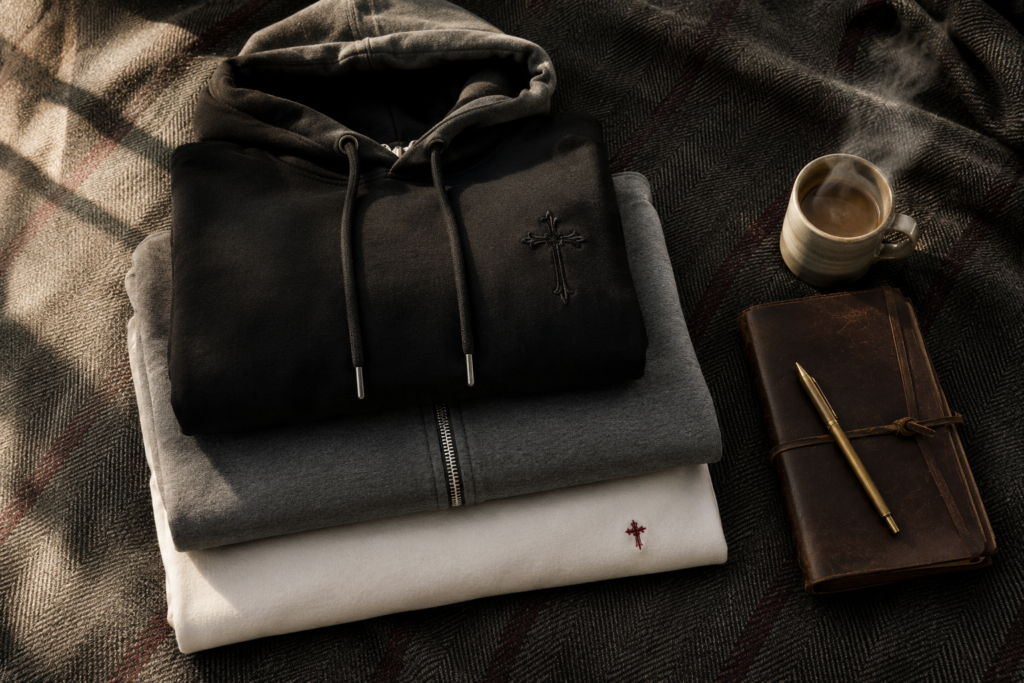
Hype used to run the streetwear market completely, but something shifted around the start of this year. Buyers got tired of paying premium prices for pieces that fell apart inside a season. The Instagram drops, the manufactured scarcity, the influencer seeding all started feeling exhausting. So the smart money quietly moved toward brands that built reputations on something more durable. Real craft. Pieces made by people who actually care about how the garment ages across the next decade. Chrome Hearts has been operating in this lane since 1988, and the brand barely participates in the modern hype cycle. Their work speaks for itself in sterling silver, heavyweight cotton, and gothic detail that holds up across years of wear. So the question worth asking is simple. What separates craft brands from hype brands in a way you can actually see when you handle the product? Because the difference matters more than most shoppers realize. For example, a craft piece improves with time as the fabric softens, the silver patinas, the leather settles into your body. A hype piece peaks the day you unbox it and starts losing value the moment after. Honestly, that distinction changed how I shop in the last two years. I stopped buying for the Instagram moment and started buying for the closet I’ll still be reaching into in five years. The brands worth following in 2026 understand this shift. Parke makes premium basics that people order in multiple colorways because they know the pieces will last. Comme des Garçons has been doing the same for over five decades through quiet design and consistent execution. So this article digs into what craft actually means at the construction level and why it beats hype every time where it counts most.
What Craft Actually Means When You Pick Up a Garment
Craft is one of those words that gets thrown around so much it stops meaning anything. So let me make it concrete. Craft in clothing comes down to four observable things you can check in any store or online listing. First, the materials used. Premium cotton, real silver, full-grain leather, and natural fiber blends all show up as line items if the brand respects their buyers. Cheap blends, synthetic-dominant fabrics, and plated metals all get dressed up in marketing language to hide what they actually are. Second, the construction is visible at the seams. A craft brand stitches every seam with intention, reinforces stress points without being asked, and uses thread that matches the fabric weight. So the inside of a craft garment looks almost as clean as the outside. Cheap construction hides the work behind labels and ignores the spots customers don’t see immediately. Third, the finishing work. Hand-done finishing on hardware, careful pressing, neat label attachment all signal a brand that controls every step of production. The fourth marker is how the piece feels when you actually wear it. Craft pieces drape correctly, sit clean across the shoulders, move with your body instead of against it. So a quick try-on tells you almost everything before you commit to the spend. For instance, the first time I tried on a heavyweight Chrome Hearts pullover, the shoulder seam sat exactly where my actual shoulder ended. That kind of fit precision takes pattern work most brands skip entirely. Therefore, craft is not a vibe or an aesthetic. It’s a series of measurable choices that compound across the life of the garment. Once you know what to look for, you can’t unsee it on every piece you pick up afterward. The marketing copy starts sounding hollow because the product fails the physical test.
The Five Markers of Real Craft You Can Spot in Sixty Seconds
Most streetwear shoppers don’t have time for deep research before every purchase. So here is the short list of markers you can check in under a minute, in any store or product listing, to filter out hype and find actual craft.
- Material composition listed in full detail. Craft brands name their cotton type, mention the GSM weight, specify the leather grade, and identify any silver or metal as solid versus plated. Hype brands stay vague with phrases like premium materials and quality construction.
- Inside seams visible in product photos or in store. Craft brands show the inside of the garment because they’re proud of the work. Hype brands hide the inside because it would expose shortcuts they took to protect margins.
- Hardware that feels substantial in your hand. Real metal zippers, drawstring tips, and rivets carry weight you can feel immediately. Plated or plastic hardware feels light and hollow even when the surface finish looks similar.
- Stitching density visible at the seam line. Run your thumbnail along any external seam and count the stitches per inch by feel. Ten or more per inch is craft territory. Six or seven is fast fashion construction.
- Brand history that mentions actual makers, not just designers. Craft brands talk about their workshops, their material sources, their long term suppliers. Hype brands focus on collaborations, drops, and celebrity wearers instead.
Running through these five points takes less than a minute and saves serious money over a year of shopping. So the next time you’re in a store, run them as a habit before pulling out your wallet. Honestly, I rejected three pieces last month using just this checklist that would have absolutely tempted me into bad purchases six months ago. The filter works because it ignores marketing entirely and looks at the actual object instead. That shift in attention is the entire game.
Chrome Hearts Started in a Silver Workshop, Not a Marketing Agency
Most luxury streetwear brands started as t-shirt printers and worked their way up. Chrome Hearts went the opposite direction entirely. Richard Stark opened the brand in 1988 as a sterling silver workshop in Hollywood, making belt buckles, rings, and small leather goods for friends in the motorcycle and rock scene. The clothing came later, but the craft sensibility from the silver work shaped everything that followed. So when you pick up a Chrome Hearts hoodie today, you’re holding a piece designed by people who think first about how metal and material age across decades. The heavyweight cotton, the reinforced seams, the prints that survive aggressive washing all trace back to that original workshop mentality. For example, the cross patches on their jackets and hoodies are hand finished in the same Los Angeles facility where the silver pieces still get made. That continuity matters because it explains why prices run high and why the resale market values these pieces so strongly. The brand also operates almost without marketing in the modern sense. There is no algorithm-friendly Instagram strategy, no influencer seeding programs, no manufactured scarcity event. Pieces release when the workshop completes them, often in small numbers, and the buyers who care find them through word of mouth and stockists who have been in the network for years. Honestly, that approach feels old fashioned in 2026, but it explains why Chrome Hearts has outlasted brands that came and went around it. That said, the brand isn’t for everyone. The gothic crosses, bold prints, and signature dagger graphics make every piece a statement. So if quiet luxury is your preference, you might find Chrome Hearts louder than you want. But for buyers who appreciate craft delivered with personality, the brand sits firmly at the top of the category.
Parke Proves Craft Can Live in a Modern DTC Operation Too
The story of craft in fashion gets told almost exclusively through old-world brands, but Chelsea Parke Kramer disrupted that narrative when she founded Parke in 2022. The brand started with a small studio focused on reworked vintage denim, then expanded into the parke mockneck sweatshirts and hoodies that built its reputation over the past two years. So what makes Parke a craft brand rather than another DTC label chasing trend cycles? The execution comes down to choices made at the production level that most direct-to-consumer brands skip in pursuit of margins. Here are the things that put Parke in the craft category despite being a young brand:
- Midweight cotton fleece sourced specifically for how it softens with each wash rather than cheaper blends that pill out fast
- Embroidered city graphics using chenille and puff print that survive heavy wash cycles instead of vinyl heat transfers that peel within a year
- Mock collar construction with a tighter knit gauge so the neck holds shape across years of pulling on and off
- Fitted classic and oversized cuts produced as separate pattern blocks rather than just sizing up one shape across the range
- Limited colorway drops based on what looks right rather than what algorithms predict will sell
Honestly, the Boston Signature Mockneck is my pick from the current lineup. The navy and cream combination ages beautifully because the dye choices respect how cotton behaves over time. The brand prices these pieces around three hundred dollars, which puts them in the same conversation as longer established labels at comparable construction quality. For example, the embroidery on the Chicago script is denser and tighter than similar pieces from brands charging twice the price. As a result, Parke earned a repeat purchase rate that most independent labels would envy. The craft shows up in the data, not just the marketing copy. Buyers come back because the pieces deliver on the promise.
Comme des Garçons Brings Japanese Garment Craft to Everyday Streetwear
Japanese fashion history runs deeper than most Western buyers realize, and Rei Kawakubo built comme des Garçons into one of the central pillars of that tradition starting in 1969. The mainline collections explore avant-garde design that often confuses casual shoppers, but the Play line launched in 2002 channeled the same Japanese garment craft into pieces anyone could understand. The small red heart with the eyes, designed by Polish artist Filip Pagowski, became the emblem of a different kind of craft. Quiet, considered, and built to disappear into a wardrobe across years of wear. So what does Japanese garment craft actually look like in the Play line? It shows up in the cotton selection first. The brand uses heavyweight Japanese milled cotton on most pieces, which behaves differently from the American or South Asian cotton common in streetwear. The fabric breaks in faster, softens more deeply, and holds color longer through wash cycles. The cut comes next. Play pieces use traditional Japanese pattern work that creates a slightly oversized but structured silhouette across the chest and shoulders. So the same shirt looks slightly different on a Japanese body than it does on a Western body, and the brand designs for both intentionally. The Converse collaboration deserves a specific mention because it brought Japanese craft thinking into a mass market sneaker silhouette. The heart emblem sits where the brand placed it for a reason, and the construction adjustments to the Chuck Taylor pattern reflect Japanese precision. Honestly, the multi-heart long sleeve in white is my favorite piece from the current Play lineup. The cotton feels noticeably better than other premium tees at the same price point. The brand has been delivering this quality consistently for over two decades, which is the real proof of craft. Trends come and go, but Play just keeps making the same pieces well.
Why Craft Brands Outlast Hype Brands Across Every Cycle
The streetwear graveyard is full of brands that exploded for a year or two and then disappeared completely. Hype is intoxicating but unsustainable, and the brands that ride pure hype cycles burn out their customer base faster than they can acquire new buyers. Craft brands run a different math entirely. Their customers come back, often for the same pieces in different colorways, year after year. So the lifetime value per buyer is dramatically higher even though the upfront customer acquisition feels slower. The numbers favor craft over hype in almost every measurable way, but the patience required scares off most new founders. For example, Comme des Garcons took years to break even after its 1969 launch. Chrome Hearts spent most of the 1990s as a niche brand known only inside specific subcultures. Parke required two full years of growth before achieving meaningful brand recognition outside its early community. Therefore, the craft path is the slow path, but it’s also the path that produces brands still standing decades later. There is also a deeper reason craft outlasts hype. The pieces themselves age well, which means they stay relevant in customer wardrobes long after the marketing campaign ends. A Chrome Hearts hoodie bought in 2020 still wears beautifully in 2026, while a hype hoodie from the same year sits forgotten or already in the donation pile. So the brand stays present in the customer’s life simply because the product keeps working. Hype brands lose this advantage immediately, which is why they have to keep manufacturing newness to stay in the conversation. That treadmill is exhausting and expensive. As a result, the smart bet for buyers, founders, and investors is craft every single time.
How to Spot the Difference Without Falling for Marketing Tricks
The real challenge for most buyers is that hype brands have gotten better at imitating craft signals. They use the same vocabulary, run similar product photography, and quote similar GSM numbers in their marketing copy. So the surface signals no longer separate the two cleanly. The real test happens when you hold the piece in your hands or, if buying online, when the piece arrives at your door. Real craft survives the in-person inspection. Hype dressed up as craft does not. For example, a hype brand can claim 400 GSM cotton in its product listing, but if the piece feels light in your hand, the spec was either fudged or measured generously. Real 400 GSM cotton has noticeable weight that you cannot fake through marketing copy. The same logic applies to stitching density, hardware quality, and seam construction. So the smart move for online buyers is to use the brand’s return policy as a quality check. Order the piece, inspect it within the return window, and send it back if it doesn’t meet the standards the listing promised. Hype brands lose money when buyers do this, which discourages them from misrepresenting their products in the first place. Honestly, this strategy saved me from at least four bad purchases in the last twelve months. Brands that talked a craft game but delivered hype construction got returned and refunded. The pieces that stayed in my closet earned their place through actual performance. That said, this approach has limits. Some brands make returns deliberately difficult, which is itself a signal worth paying attention to. The path forward for serious streetwear buyers is simple. Slow down, ask hard questions, and use returns as your quality control system. The best brands welcome that scrutiny because their products hold up under it.
Final Words
Craft brands like Chrome Hearts, Parke, and Comme des Garçons prove that the slow path still works in a market that rewards speed and noise. The pieces these brands make outlast the hype cycles that surround them because the construction, materials, and design choices respect how clothing actually gets worn across years instead of seasons. So if you want a closet that still works in 2030, spend your money on craft and let the hype brands chase each other into irrelevance. The math favors patience, the wardrobe rewards quality, and the pieces themselves keep getting better the longer you wear them.
FAQs
How can I tell if a brand is craft or hype without buying anything first?
Look at how the brand talks about its production. Craft brands name materials, workshops, and methods specifically. Hype brands use vague phrases like premium quality and luxury construction without providing details you could verify.
Are Chrome Hearts pieces worth the high price tags?
Yes, if you actually wear them. The sterling silver hardware, heavyweight cotton, and hand-finished detailing hold up for years of regular wear. Cost per wear over the life of the piece usually beats cheaper alternatives that need replacement every season.
What makes Parke different from other DTC streetwear brands launched recently?
Parke focuses on construction quality and fabric choices that mature with use, while most DTC brands optimize for the day-of-purchase look. The mockneck collars hold shape, the embroidery survives heavy washing, and the cuts hit at proper points on the body.
How is Comme des Garçons Play different from the main Comme des Garçons line?
Play launched in 2002 as a more accessible everyday range built around the red heart emblem. The main Comme des Garçons line runs avant-garde with deconstructed silhouettes that take more confidence to wear in regular rotation.
Can I mix Chrome Hearts, Parke, and Comme des Garçons in the same wardrobe without overdoing it?
Yes, and the mix works well because each brand brings different energy. Chrome Hearts handles the bold statement pieces, Parke covers comfortable everyday basics, and Comme des Garçons Play sits in between with quiet emblems. Pick one anchor per outfit and let the others support it.