
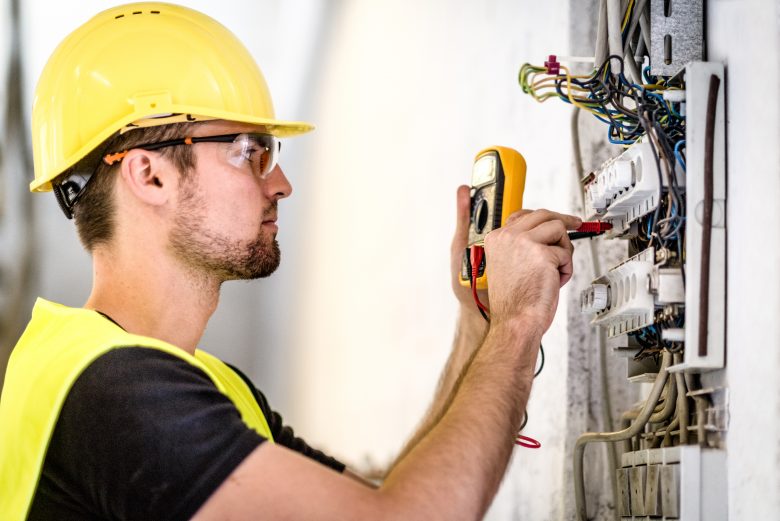
Electrical networks are the backbone of modern infrastructure, powering homes, industries, and critical systems. However, ensuring their safety is a complex task due to the high voltages and intricate components involved. Innovations in safety measures have become essential to prevent electrical failures, minimize downtime, and protect personnel. Among these innovations, Partial Discharge Testing has emerged as a key diagnostic tool for detecting faults before they escalate into major issues. Here’s a closer look at how new technologies and approaches are making electrical networks safer and more reliable.
The Role of Predictive Maintenance in Electrical Safety
Preventive maintenance is no longer sufficient for managing complex electrical networks. Instead, companies are adopting predictive maintenance strategies, which use real-time data and advanced diagnostic techniques to identify and address potential problems before they cause disruptions. Predictive maintenance reduces costs associated with reactive repairs and enhances system reliability by addressing issues at their earliest stages.
Key Technologies Driving Predictive Maintenance:
- IoT sensors: Continuous monitoring of critical equipment like transformers, circuit breakers, and cables allows for early detection of anomalies.
- Data analytics: Analyzing data trends helps predict equipment failures, enabling timely maintenance and reducing the risk of unplanned outages.
- Condition-based monitoring: Techniques such as thermal imaging and acoustic emission analysis are used to monitor system performance and detect overheating, insulation deterioration, and other issues.
Partial Discharge Testing: A Vital Safety Measure
One of the most significant threats to electrical network safety is the gradual degradation of insulation, which can lead to electrical discharges and catastrophic failures. Partial Discharge Testing addresses this risk by detecting tiny electrical discharges that occur within insulation systems before they result in complete breakdowns.
How Partial Discharge Testing Works:
- Partial discharges occur when there are small voids, cracks, or contaminants within insulating materials.
- Specialized equipment detects and measures these discharges, allowing engineers to pinpoint areas of concern.
- Early detection enables maintenance teams to repair or replace faulty components, preventing costly failures and potential safety hazards.
This testing method is particularly important in high-voltage systems, as even minor insulation issues can lead to severe damage if left unchecked.
Enhancing Safety with Advanced Protection Devices
Modern electrical networks benefit from a variety of advanced protection devices that can detect, isolate, and address faults automatically. These devices work in real time to minimize damage and restore system stability quickly.
Common Safety Devices:
- Digital relays: Advanced digital relays monitor electrical parameters and trigger protective actions when anomalies are detected, such as overcurrent or voltage fluctuations.
- Arc-flash protection systems: Designed to detect and mitigate arc-flash incidents, these systems significantly reduce the risk of injury to personnel and damage to equipment.
- Surge protection devices: These protect sensitive equipment from voltage spikes caused by lightning strikes or switching events.
By integrating these devices into electrical networks, operators can ensure a higher level of safety and operational efficiency.
The Role of Artificial Intelligence in Electrical Safety
Artificial intelligence (AI) is revolutionizing safety in electrical networks by enhancing the ability to predict failures and optimize maintenance schedules. AI algorithms analyze vast amounts of data from sensors, detecting patterns that human operators may miss.
Applications of AI in Electrical Safety:
- Fault prediction: AI-driven models can predict when and where a fault is likely to occur, enabling proactive intervention.
- Anomaly detection: Continuous monitoring powered by AI helps identify irregularities in system performance, reducing the likelihood of unexpected failures.
- Maintenance optimization: AI can prioritize maintenance activities based on the severity of detected issues, ensuring critical problems are addressed first.
AI-powered solutions not only improve safety but also contribute to cost savings by reducing downtime and extending the lifespan of equipment.
Emphasizing Training and Awareness
While technological innovations play a crucial role, human factors remain a significant component of electrical safety. Regular training for maintenance teams, engineers, and operators ensures that safety protocols are followed and that personnel are equipped to handle emergencies effectively.
Key Training Areas:
- Recognizing warning signs of equipment failure
- Proper use of personal protective equipment (PPE)
- Emergency response procedures
Combining human expertise with advanced technologies creates a holistic approach to ensuring the safety and reliability of electrical networks. As electrical systems continue to evolve, innovations like predictive maintenance, partial discharge testing, and AI-driven diagnostics will play a central role in preventing failures and protecting both infrastructure and personnel.