
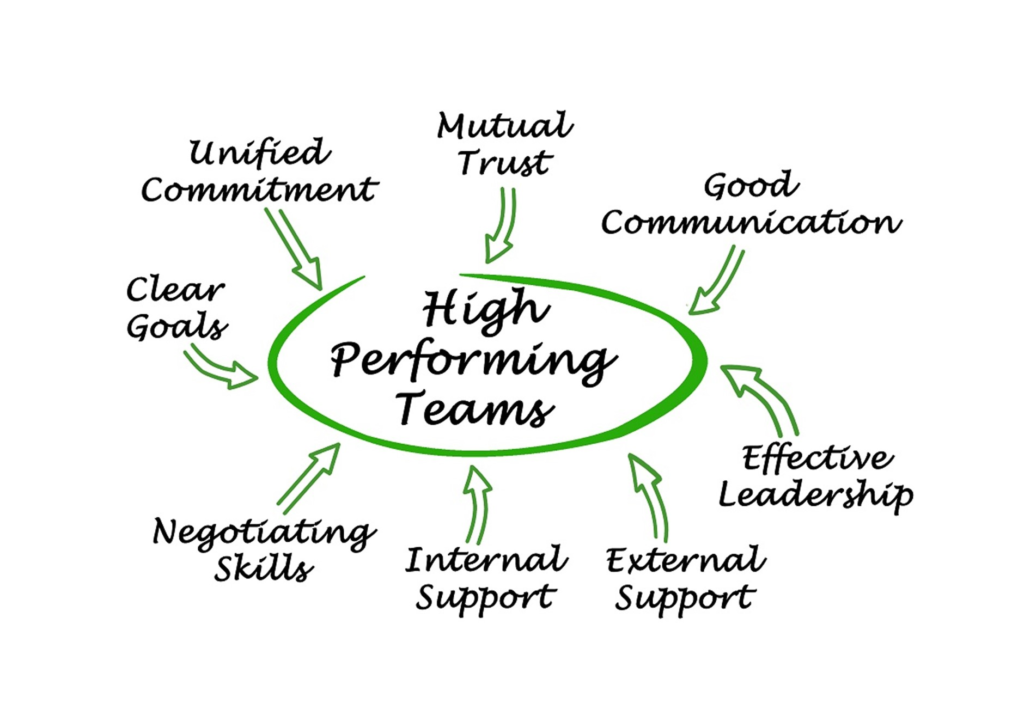
Every sales team faces difficult seasons. Markets slow down, customer budgets tighten, competitors become more aggressive, and internal targets grow more demanding. Yet while some teams struggle under pressure, high-performing sales teams often do the opposite. They use adversity as fuel. Instead of seeing challenges as roadblocks, they treat them as opportunities to sharpen their skills, rethink strategies, and build stronger customer relationships.
Adversity in sales is not just about external problems. It can include lost deals, changing products, new territories, or evolving customer expectations. What separates top teams is not the absence of difficulty, but how they respond to it.
Shifting Mindset From Problem To Possibility
The first transformation happens in the mind. High-performing sales teams are trained to reframe setbacks. A lost deal becomes a learning moment. A price objection becomes insight into customer priorities. A slow quarter becomes motivation to explore new markets or refine messaging.
This mindset shift prevents negative spirals. Instead of blaming the economy or competitors, top sales professionals ask better questions. What did the buyer really need? Where did the conversation lose momentum? How can we create more value next time? This habit of reflection turns disappointment into practical improvement.
Leaders play a big role here. Sales managers who model calm, solution-focused thinking create a culture where challenges are discussed openly. When teams feel safe to analyze failures without fear, they grow faster and recover stronger. Effective leaders focus on motivating sales teams through adversity so that challenges become fuel for growth rather than reasons to slow down.
Strengthening Customer Relationships During Tough Times
Adversity often affects customers, too. Economic uncertainty, supply chain issues, or internal restructuring can make buyers more cautious. High-performing sales teams recognize this and shift from selling to supporting.
Instead of pushing for quick wins, they focus on understanding the customer’s current reality. They ask deeper questions about goals, constraints, and risks. They provide insights, share industry knowledge, and help customers think through decisions. This positions them as trusted partners rather than transactional sellers.
When conditions improve, these relationships pay off. Customers remember who stood by them when things were hard. Loyalty grows from empathy and consistency, not just from product features or pricing.
Improving Skills Under Pressure
Pressure reveals gaps. In difficult periods, weaknesses in prospecting, qualification, or closing become more visible. High-performing teams do not ignore this. They double down on skill development.
They review calls, practice objection handling, and refine their messaging. Role-playing sessions become more focused on real-world scenarios. Teams analyze why deals stall and identify patterns. Maybe discovery questions need improvement. Maybe value propositions are not clear enough. Maybe follow-up timing needs adjustment.
Training is not treated as an extra task. It becomes a strategic tool for survival and growth. Over time, this constant improvement gives high-performing teams a major edge over competitors who simply wait for conditions to get better.
Using Data To Make Smarter Decisions
When adversity hits, guesswork becomes risky. High-performing sales teams rely more heavily on data. They track conversion rates at each stage, deal cycle length, win-loss reasons, and customer segments that remain active.
This information guides strategy. If certain industries are still investing, focus shifts there. If a particular stage in the pipeline shows a drop-off, the team investigates why. Data helps leaders allocate time and resources where they will have the greatest impact.
Clear metrics also keep morale grounded in reality. Instead of feeling overwhelmed by general uncertainty, teams can see specific areas of progress and opportunity. This clarity builds confidence.
Building Resilience And Team Cohesion
Adversity can either divide teams or bring them closer. High-performing sales groups choose the second path. They communicate more frequently, share challenges openly, and celebrate small wins.
Peer support becomes crucial. Top performers share techniques that work. Team members step in to help with tough accounts. Success is seen as a group accomplishment rather than just a result of individual competition.
This sense of unity reduces burnout. Sales can be emotionally demanding, especially in hard times. Resilience is increased by realizing that others are going through similar things and cooperating. A strong team culture helps individuals stay motivated even when results take longer to appear.
Innovating Instead Of Freezing
When the environment changes, old approaches may stop working. High-performing sales teams are willing to experiment. They test new outreach channels, adjust value propositions, or explore different pricing models in collaboration with leadership.
They may adopt new technology, refine digital selling skills, or create content that addresses emerging customer concerns. Innovation does not always mean dramatic change. Sometimes it is a small tweak in messaging that better connects with current buyer priorities.
The key is action. While average teams wait for stability, top teams keep moving, learning, and adapting. This proactive attitude often allows them to capture market share while others hesitate.
Turning Today’s Struggles Into Tomorrow’s Strength
Adversity leaves a mark, but for high-performing sales teams, it is a positive one. The lessons learned during tough periods shape stronger processes, deeper customer trust, and more confident professionals.
When markets recover, these teams are not just back to normal. They are sharper, more disciplined, and more connected to their customers. What once felt like a setback becomes the foundation of future success.
In sales, challenges are unavoidable. The real advantage belongs to those who treat every obstacle as training for the next level.