
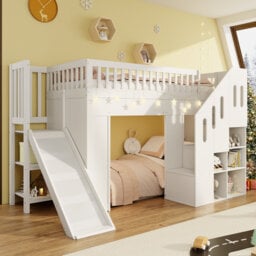
Every child uses their bedroom in a different way. Some love to read, some enjoy drawing, and others need a quiet space to study. When a room is small, meeting all these needs can feel hard.
This is why many parents explore loft beds. They are smart, flexible, and help make the most of limited space. With so many designs available today, there are loft bed options to suit almost every child and home.
Let’s look at how loft beds work and why having different options matters.
What Are Loft Beds for Kids?
A loft bed is a raised bed with open space underneath. Instead of placing another bed below, the lower area is left free.
This space can be used for storage, a desk, a play area, or a quiet corner. The idea is simple, but the results can be impressive.
Kids loft beds are designed with safety features like guard rails and stable ladders to support everyday use.
Why Loft Bed Options Matter
Not all children have the same needs. A one-size-fits-all bed does not always work.
Some kids need extra storage for toys and clothes. Others need a study area for schoolwork. Some just want space to play.
Having different loft bed options allows parents to choose a design that fits their child’s routine and personality.
Making the Most of Small Rooms
In small bedrooms, floor space is limited. A regular bed can take up most of the room.
Loft beds lift the bed off the floor, creating space underneath. This instantly makes the room feel bigger and more open.
Kids have more room to move, and parents often find the room easier to organise.
Popular Loft Bed Setups
There are many ways to use the space under a loft bed. One popular option is adding a desk and chair.
This creates a study area where kids can focus on homework or drawing. Another option is storage, with shelves or drawers placed underneath.
Younger children may enjoy using the space as a play zone with toy boxes and cushions.
The best setup depends on how the child uses their room each day.
Helping Kids Stay Organised
Messy rooms are often caused by poor storage, not bad habits.
Loft beds help by creating room for storage below the bed. This gives toys, books, and school items a clear place to go.
When storage is easy to reach, kids are more likely to keep their room tidy on their own.
Supporting Learning and Creativity
As children grow, learning becomes part of daily life. Having a dedicated study area helps kids focus.
A desk under a loft bed separates study time from sleep. This helps build healthy routines.
Creative kids also enjoy using the space for art, building projects, or quiet hobbies.
Encouraging Independence
Kids love furniture that feels special. Sleeping in a raised bed feels exciting and grown-up to them.
Climbing into bed on their own builds confidence. Managing their own desk or storage area teaches responsibility.
These small habits help children feel more independent in their daily routine.
Safety Is Always a Priority
Safety is important when choosing any raised bed. A good loft bed should feel solid and stable.
Guard rails help prevent falls during sleep. Ladders should be strong and easy to climb.
Loft beds are usually best for school-aged children. Parents should always follow age and weight guidelines.
Regular checks help ensure the bed stays safe over time.
Choosing the Right Loft Bed Option
When choosing a loft bed, think about your child’s needs now and in the future.
Do they need more storage? A study area? Space to relax or play?
Room height also matters. There should be enough space for your child to sit up comfortably in bed.
Strong materials like solid wood or quality metal frames often offer better durability.
Parents comparing kids loft bed options often find it helpful to choose designs that can adapt as their child grows.
Final Thoughts
Kids loft bed options offer flexibility, comfort, and smart use of space. They help small rooms feel larger and more organised.
By lifting the bed, families gain room for storage, study, and play without adding clutter.
With the right choice, a loft bed can support a child’s daily life and grow with them for many years.