
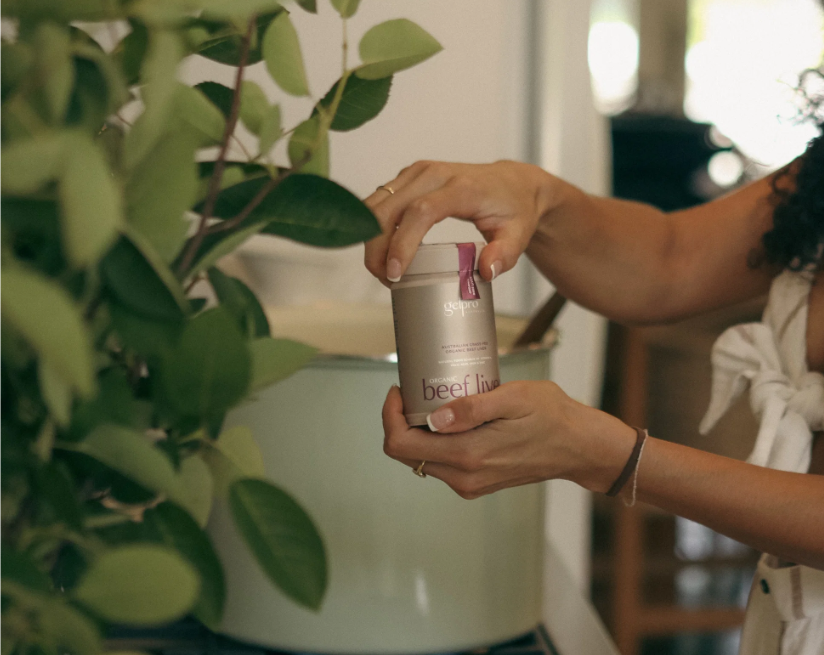
Organ meats have quietly made a comeback in nutrition circles over the past decade, driven partly by renewed interest in traditional, nose-to-tail eating and partly by growing awareness of how nutrient-dense these cuts actually are. Liver, in particular, stands out for its concentration of vitamins and minerals — but not everyone wants to cook or eat it as a meal. That’s where liver capsules come in, offering a more convenient way to include it in a daily routine.
What’s Actually in Liver
Liver is naturally rich in a range of nutrients, including vitamin A, iron, copper, zinc, and several B vitamins. This nutritional density is well documented and is a large part of why liver has remained a staple ingredient in many traditional cuisines around the world, even as it’s fallen out of favour in typical modern Western diets. Liver capsules are designed to make this nutrient profile more accessible without requiring any cooking or meal preparation.
Why Capsules Instead of Whole Liver
Not everyone enjoys the taste or texture of liver, and sourcing, preparing, and cooking it properly takes time and know-how that many people simply don’t have in a busy routine. Capsules solve this practical problem, allowing the nutritional benefits associated with liver to be incorporated into a daily supplement routine rather than a meal plan. This makes it a realistic option for people who want the nutrient density of organ meat without the cooking involved.
How Liver Capsules Are Made
Quality liver capsules are typically made using a freeze-drying process, which is intended to preserve more of the liver’s natural nutrient profile compared with high-heat cooking or processing methods. Understanding how a product is made, and checking that it discloses its sourcing and processing methods clearly, is a useful way to judge overall product quality before buying.
The Importance of Sourcing
Where the liver comes from matters. Grass-fed, pasture-raised beef liver is generally regarded as a higher-quality source compared with liver from grain-fed or intensively farmed animals, since the animal’s diet and living conditions can influence the nutrient composition of its organs. Checking sourcing information on the label, and looking for transparency around farming practices, is a sensible step before choosing a product.
Fitting Liver Capsules Into a Routine
One of the simplest ways to build a supplement into a lasting habit is to pair it with an existing daily routine — taking it alongside breakfast, for example, rather than treating it as a separate task to remember. Consistency, more than any single dose, is what allows a nutritional supplement like liver capsules to become a genuine part of an ongoing wellness routine rather than a short-lived trial.
A Sensible Addition, Not a Replacement
Liver capsules are best thought of as a convenient addition to an already varied diet, rather than a substitute for whole foods generally. For anyone curious about incorporating organ meat nutrition without the preparation involved, a well-sourced, well-processed liver capsule is a practical and increasingly popular way to do it.