
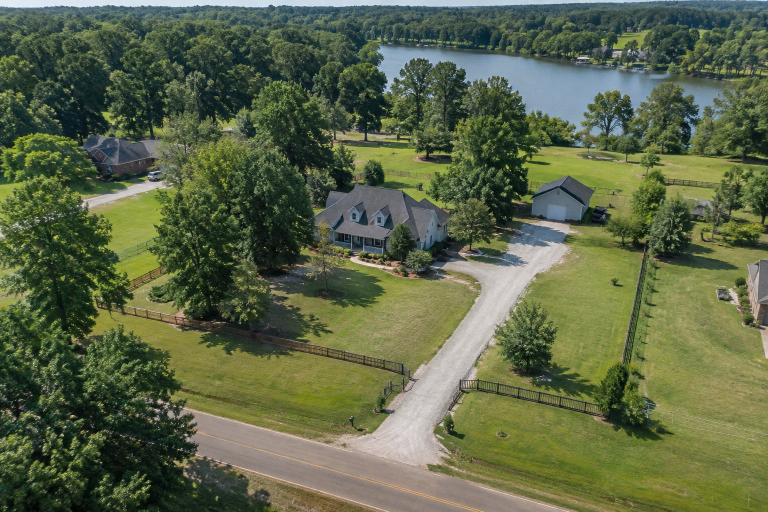
Buying or selling a home in India Hook, South Carolina, can feel personal long before it becomes technical. A property may stand out because of its yard, access to nearby Rock Hill amenities, mature trees, or room for a workshop, but the written contract determines what each side must actually do. Before signing, buyers and sellers can benefit from a careful review with a real estate attorney in India Hook, SC, when questions arise about terms, title, deadlines, or closing documents.
A purchase contract is more than an offer price. It identifies the property, assigns responsibilities, sets deadlines, and addresses what happens if financing, inspections, repairs, or closing plans change. Reading it carefully before anyone signs is usually far easier than resolving an avoidable disagreement in the final week before closing.
Why Contract Review Matters
Contract terms generally fall into three practical groups: business terms, property terms, and legal terms. The price, credits, and financing are business terms. Included appliances, fencing, access, and repairs are property terms. Notice requirements, default provisions, and title obligations are legal terms. Each category deserves attention because a short sentence can change who bears a cost or risk.
In an area like India Hook, where homes may have varied lot layouts, detached improvements, drainage features, or shared access arrangements, a contract should match the property being purchased. Questions about driveway rights, utility access, or boundary lines should not wait until the movers are scheduled.
Property owners should also understand that easements in real estate can affect how land is used, even when the home and yard appear straightforward during a showing. A recorded utility, drainage, or access easement may limit where an owner can build, fence, or landscape.
Check the Property Details
Start by confirming that the contract accurately identifies the intended property. Compare the street address, parcel or tax map information, and legal description with available records. If the transaction includes acreage, a corner lot, a detached garage, a storage building, assigned parking, or a shared area, make sure the written description does not leave room for confusion.
- List fixtures that remain, such as built-in appliances, lighting, blinds, mailbox posts, and attached shelving.
- Identify personal property separately, including furniture, lawn equipment, or portable storage items.
- Confirm whether a fence, shed, deck, dock, or other improvement is within the property boundaries.
- Ask whether a survey is needed when visible lines and recorded boundaries do not clearly agree.
Review Money and Deadlines
Read every number and date together. The purchase price is only one figure. Review earnest money, any due diligence payment, lender requirements, appraisal provisions, seller credits, prorated taxes, insurance costs, repair deadlines, closing date, and possession date. Put each deadline on a shared calendar and note how notices must be delivered under the agreement.
Pay particular attention to financing and appraisal language. A low appraisal can create a gap between the contract price and the amount a lender is willing to lend against. Depending on the signed agreement, the parties may renegotiate, the buyer may contribute additional funds, or another contractual option may apply. Do not assume a verbal understanding changes a signed contract.
Use Due Diligence Well
Due diligence is best treated as a work plan, not extra time to decide casually. Schedule inspections promptly and leave time to evaluate findings, obtain estimates if needed, and communicate in writing before deadlines pass. For India Hook properties, it may be useful to consider drainage after heavy rain, tree conditions, grading, crawlspace moisture, and the condition of any detached structures.
- Arrange a general home inspection and any specialized inspections suggested by the property.
- Review utility service, insurance availability, flood considerations, and recurring ownership costs.
- Check septic systems, wells, private roads, or shared systems when applicable.
- Review zoning and permits if planning an addition, home business, accessory structure, or major renovation.
- Keep inspection reports, repair requests, responses, and amendments together in one file.
Read Disclosures and Property Records
A seller disclosure can be useful, but it does not replace a buyer’s inspections or record review. Compare disclosures against inspection findings and ask focused questions about prior leaks, water intrusion, pest treatment, structural work, additions, and recent repairs.
Permits also matter. A finished room, deck, addition, or electrical upgrade may affect value and future plans. When an improvement is important to the purchase decision, ask for the available records rather than relying only on appearance or a listing description.
Inspect Title, Boundaries, and Easements
A title review addresses ownership and recorded matters that are not visible from the driveway. It may reveal mortgages, liens, judgments, restrictive covenants, homeowner association requirements, easements, or prior deed issues that require attention before closing. A survey can provide clarity when fences, driveways, retaining walls, or other improvements are close to a boundary.
Buyers should raise questions early if a shared drive crosses another parcel, a neighbor uses part of the yard, or an access route does not match the expected ownership arrangement. Sellers can help avoid delays by gathering prior surveys, permits, association documents, and information about known boundary concerns before the property goes under contract.
Prepare for Closing
Before closing, compare the final loan documents with prior estimates and confirm the agreed price, credits, taxes, insurance, and cash required. The Closing Disclosure explains key loan and closing-cost details that borrowers should compare with their expectations. Complete a final walkthrough, confirm agreed repairs, and independently verify wire instructions using a trusted phone number.
Common Contract Questions
Can a buyer walk away from the deal during due diligence?
The answer depends on the signed contract, the deadline, and the required method of notice. A text message or informal conversation may not satisfy a contract’s written-notice requirement.
Does an “as-is” term eliminate every concern?
No buyer should treat “as-is” language as a reason to skip inspections, disclosures, title review, or questions about known conditions. It commonly affects repair expectations, but the exact effect depends on the agreement and circumstances.
What if agreed repairs are unfinished?
Before closing, the parties may need a written solution, such as completing the work, changing the closing date, adjusting a credit, or using another arrangement that is acceptable to everyone involved.
Final Checklist Before Signing
- Verify the address, legal description, price, deposit, and credits.
- Write down financing, appraisal, inspection, and closing deadlines.
- Specify repairs, fixtures, and personal property in writing.
- Review disclosures, surveys, title matters, easements, and association rules.
- Confirm possession terms and final closing costs.
- Resolve unclear language before signing, not after a deadline has passed.
A careful contract review supports better decisions for buyers and sellers throughout India Hook, South Carolina. The home may be the focus of the transaction, but the written agreement, inspections, property records, and closing documents are what help turn a promising purchase into an orderly transfer of ownership.