
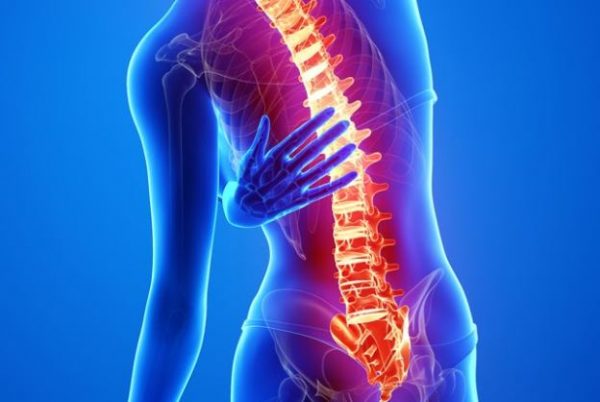
Every movement you make, every sensation you feel, and many functions you never consciously notice depend on a single structure: the spinal cord. Acting as the body’s central communication highway, it carries signals between the brain and nearly every organ and muscle. When this pathway is disrupted, the effects can be immediate, progressive, or quietly disabling over time.
Spinal cord disorders are not limited to dramatic injuries. They include a wide range of conditions that alter how signals travel—sometimes gradually, sometimes suddenly—changing how the body moves, senses, and adapts.
Why the Spinal Cord Is So Vulnerable
Unlike muscles or skin, the spinal cord has very limited ability to repair itself. It is protected by bone, fluid, and membranes, but once injured or compressed, even small disruptions can affect large areas of the body.
Because different levels of the spinal cord control different functions, the impact of a disorder depends heavily on where the problem occurs—not just what caused it.
Symptoms Don’t Always Start With Paralysis
One common misconception is that spinal cord disorders always begin with severe weakness or paralysis. In reality, early signs are often subtle and easy to overlook.
These may include:
- Changes in walking balance or coordination
- Stiffness or heaviness in the legs
- Tingling or numbness that spreads gradually
- Loss of fine motor control in the hands
- Unusual fatigue with physical activity
Because these symptoms can develop slowly, they are often attributed to aging, posture, or joint problems rather than the spinal cord itself.
Progressive vs. Sudden Onset Conditions
Some spinal cord disorders develop abruptly, such as those caused by trauma or sudden loss of blood flow. Others progress slowly over months or years due to degeneration, inflammation, or compression.
Gradual conditions are particularly challenging because the body adapts little by little. People may unconsciously change how they move, masking the underlying problem until daily activities become difficult.
When Reflexes and Coordination Change
The spinal cord plays a critical role in reflexes and muscle tone. When it is affected, muscles may become unusually stiff, movements less fluid, and reflexes exaggerated.
This combination can lead to:
- Difficulty with precise movements
- A feeling of tightness or rigidity
- Increased risk of falls
- Reduced confidence in walking
These changes are not caused by muscle weakness alone, but by altered signal processing within the cord.
The Emotional and Practical Impact
Living with a spinal cord disorder often means adapting to uncertainty. Symptoms may fluctuate depending on posture, fatigue, or illness. Tasks that once required no thought—walking long distances, standing for extended periods, or using stairs—can require planning and pacing.
Emotionally, the loss of trust in one’s own movement can be just as challenging as the physical limitations.
Why Early Recognition Matters
Spinal cord disorders often worsen when compression or inflammation continues unchecked. Identifying early changes in movement, balance, or sensation can make a meaningful difference in long-term outcomes.
Neurological evaluation focuses not just on pain, but on how signals are traveling—how strength, sensation, and coordination interact.
A Neurological Perspective
From a neurological standpoint, spinal cord disorders sit at the intersection of movement, sensation, and autonomic control. They require careful assessment of symptom patterns rather than isolated complaints.
Final Thought
Spinal cord disorders are not always dramatic, but they are always significant. They alter how the brain and body communicate, often in ways that unfold slowly and quietly. Recognizing early changes—and understanding their neurological origin—helps turn confusion into clarity and supports better long-term management.
The spinal cord may be hidden from view, but its role in everyday life is impossible to ignore.