
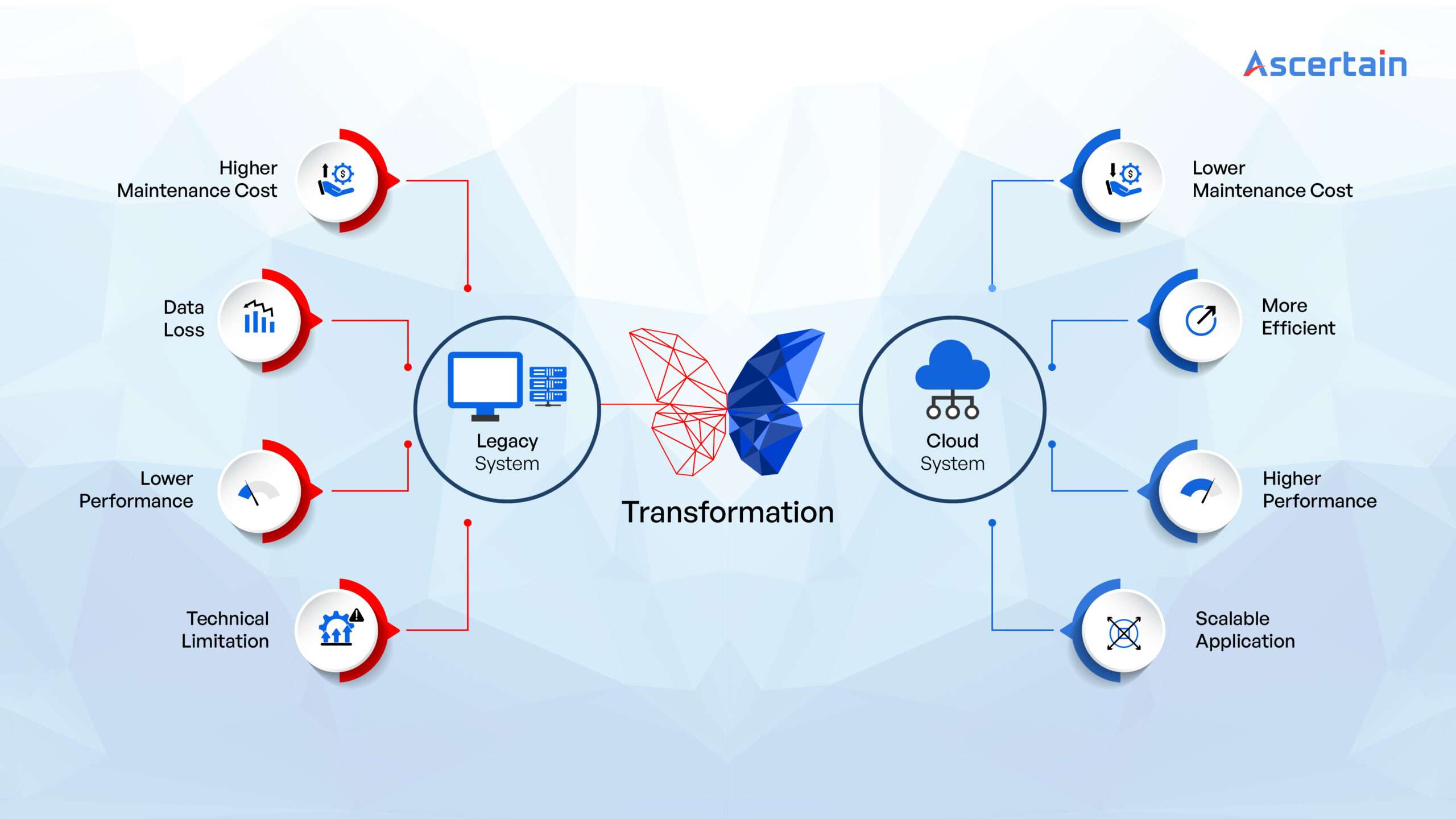
IT managers face a familiar daily struggle when maintaining an outdated telecom system. You deal with unexplained dropped calls, climbing maintenance costs, and the endless frustration of managing multiple vendors. When the phone system goes down, productivity halts, and your team is left trying to patch together a fix on hardware that belongs in a museum.
The reality is that traditional physical infrastructures can no longer keep pace with modern business demands. Moving communications off-site is becoming the standard. Transitioning from a legacy setup to a modern cloud network does not have to be a logistical nightmare. Many IT professionals hesitate to upgrade because they fear the downtime and the headache of porting numbers, rewiring the office, and training staff on new software. You do not have to manage these moving parts alone.
By partnering with a dedicated business phone systems expert in Dallas, you ensure a seamless migration covering everything from physical cabling to software integration. A specialized local team handles the heavy lifting. This allows you to focus on your core IT operations while delivering a flawless, upgraded communication experience to your entire company.
Key Takeaways
- Modernizing means moving beyond basic voice calls to a fully integrated, cloud-based Unified Communications (UC) platform.
- A reliable cloud phone system fundamentally relies on high-quality structured cabling installed right in your physical office space.
- Features like failover redundancy and CRM integration directly boost team productivity and ensure uninterrupted business continuity.
- Partnering with a certified local expert provides a custom, scalable solution rather than an out-of-the-box software headache.
Decoding Modern Business Communication: PBX, VoIP, and UC
Before upgrading your infrastructure, you need to understand the exact technology you are evaluating. The telecom industry loves acronyms, which can make comparing solutions confusing. Let us break down the three primary categories of business communication.
Traditional PBX (Private Branch Exchange) is the familiar, desk-bound infrastructure. It relies on a physical cabinet of hardware stored in your server room. This equipment connects traditional telephone lines to the extensions throughout your office. While PBX was the gold standard for decades, it is now costly to maintain, expensive to fix, and notoriously difficult to scale.
VoIP (Voice over Internet Protocol) simplifies things by making calls over the internet. Instead of routing analog audio signals through copper wires, VoIP turns your voice into digital data packets. This eliminates the need for bulky on-site PBX cabinets and significantly lowers your monthly telecom overhead.
Unified Communications (UC) takes internet routing a step further. It is the ultimate all-in-one platform. UC brings voice, video conferencing, instant messaging, and call recording into a single, streamlined interface. It transforms your phone system from a simple voice tool into a comprehensive collaboration hub.
| Feature | Traditional PBX | Cloud VoIP | Unified Communications (UC) |
|---|---|---|---|
| Hardware Required | Heavy (On-site servers, copper wiring) | Light (IP Phones, internet connection) | Light (IP Phones, computers, mobile devices) |
| Scalability | Difficult (Requires physical hardware upgrades) | Easy (Add lines remotely via software) | Very Easy (Instantly scale features and users) |
| Core Functions | Voice calls, basic voicemail | Voice calls, digital voicemail, caller ID | Voice, video, chat, file sharing, CRM syncing |
| Maintenance Cost | High | Low | Low |
Why a Reliable Network Starts in the Walls
There is a common misconception in the IT world that moving to the cloud means you can ignore physical hardware entirely. It is tempting to think that once your software is hosted off-site, your local environment no longer matters. This is a dangerous oversight.
A cloud phone system is only as strong as the network carrying its data. Structured cabling and fiber optics act as the critical foundation of your communication system. If your office is running on degraded Cat5 cables or disorganized wiring, your data packets will bottleneck. This physical breakdown translates directly into latency, audio jitter, and dropped VoIP calls.
Investing in high-quality, perfectly organized low-voltage cabling ensures your data moves cleanly from the workstation to the router. Proper physical infrastructure prevents the very issues that cause employees to complain about the new phone system. You need a fast, unobstructed physical path to support the high bandwidth demands of modern voice and video traffic.
Using a single provider for both the physical low-voltage cabling and the cloud software is the smartest move an IT manager can make. It completely eliminates the headache of managing separate IT contractors. When one company builds the physical highway and provides the digital vehicles, you get a system engineered to work together flawlessly. If an issue ever arises, there is no finger-pointing between your software vendor and your local network technician.
Cloud-Based Features That Drive Continuity and Growth
Upgrading your network is not just about replacing old hardware. It is about unlocking tools that actively protect your operations and make your staff more efficient. Modern cloud systems offer specific business benefits that legacy PBX setups simply cannot match.
Business continuity is a major concern for any operations manager. Cloud systems use failover and redundancy protocols to guarantee high uptime. If your local office loses power or the local internet service goes down, your phone system does not die. Calls are automatically and instantly routed to employee mobile apps or backup locations. Your business stays online and your customers never hear a dead line.
Seamless tech stack integration is another massive advantage. Your new phone system can connect directly with your existing CRM, helpdesk software, and email platforms. When a client calls, their account profile instantly pops up on your sales representative’s screen. This eliminates manual data entry, speeds up resolution times, and provides a highly personalized customer experience.
Modern tools also dramatically improve the daily workflow for your staff. VoIP systems empower mobile workers by giving them full office capabilities from anywhere with an internet connection. Managers note the positive impact, reporting that hybrid and remote teams are more productive compared to those working in-office.
Finally, cloud systems offer unmatched scalability. If your company opens a new branch or hires twenty new seasonal employees, you do not need to order a new server cabinet. You can add or remove lines remotely through an administrative dashboard in minutes. This agility ensures you only pay for what you actively need.
The Value of Hiring a Local Dallas Communication Expert
When you decide to migrate to the cloud, you will face a choice between massive national software vendors and local service providers. A national out-of-state vendor usually ships you a box of phones, provides a link to an instruction manual, and leaves you to figure out the rest. If you need help, you are routed to an offshore call center.
A local Dallas and Fort Worth provider offers a vastly superior experience. You get fast, 24/7 on-site support when you need it. If a network switch fails or a cable is damaged, a local technician can be at your door the same day. This hands-on availability is the difference between a minor hiccup and a multi-day operational outage.
Industry credentials matter deeply when designing these systems. Hiring BICSI-certified technicians and RCDD (Registered Communications Distribution Designer) professionals guarantees a mathematically sound network. These experts do not just guess where to run cables. They plan for thermal management in your server closets, calculate precise bandwidth loads, and ensure your physical infrastructure is completely future-proof.
A true local partner provides an end-to-end, white-glove approach. The process starts with a deep initial consultation to understand your specific workflow. They handle the custom system setup, run the structured cabling, and perform thorough network testing. Before they leave, they provide hands-on employee training to ensure your team is confident using the new technology from day one.
Conclusion
Upgrading your communication infrastructure is much more than an IT housekeeping task. It is a direct investment in your company’s daily efficiency and long-term scalability. By moving away from legacy PBX setups, you eliminate costly maintenance and protect your business against unexpected downtime.
When your team has the right tools, collaboration becomes effortless. Productive and efficient organizations generate more revenue, with highly engaged business units seeing 23% higher profit compared to disengaged workers. A cloud-based UC platform removes friction from the workday, allowing your staff to communicate clearly from any location.
Ditch the fragmented vendor approach. You do not need to manage one company for your internet, another for your cabling, and a third for your software. Choose a comprehensive, unified solution tailored to your specific business needs. By partnering with a certified local expert, you secure a reliable network that starts in the walls and scales endlessly in the cloud.