
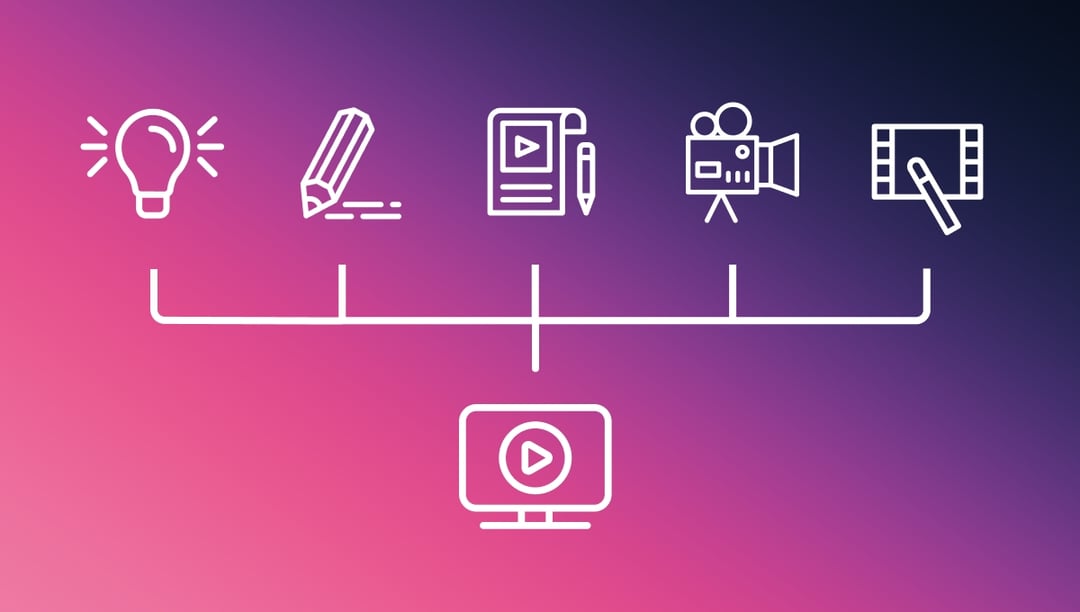
The traditional barriers to high-quality video production—cost, time, and technical expertise—are being systematically dismantled by the rise of generative technology. Tools like Image to Video AI are empowering a new generation of creators who can produce cinema-quality motion without a physical camera or a post-production studio. For many small enterprises and independent artists, the problem is a lack of resources to compete with the high-production values of larger corporations. This visual inequality agitates the market, making it difficult for grassroots creators to gain traction. The solution is found in the cloud, where massive neural networks can perform the complex work of animation in a fraction of the time and cost required by manual labor.
In my observation, the shift toward AI-driven video is not just a trend but a fundamental change in how we define “content creation.” During my testing of various models like Veo 3.1 and Sora 2, I noticed that the speed of iteration is the true game-changer. In a traditional setting, a single change to an animation might take hours of re-rendering. With cloud-based AI, a user can tweak a prompt and see a new version in minutes. This allows for a much more experimental and fluid creative process. While the results are limited to five seconds, the impact of those five seconds is often greater than a minute of uninspired, static footage.

Integrating Multiple Neural Architectures For Diverse Creative Output
What makes a modern generation platform effective is the ability to choose from a variety of specialized models. Each model, such as ByteDance’s Seedance 2.0, brings a different set of strengths to the table. Some models are optimized for high-fidelity textures, while others focus on the fluidity of human movement. In my tests, Seedance 2.0 appears particularly adept at following complex reference images, ensuring that the subject in the video looks identical to the subject in the original photo. This consistency is vital for brand storytelling, where the character or product must remain recognizable throughout the motion.
The platform also offers a suite of specific effects like AI Dance or AI Twerk. While these might appear as social media novelties, they demonstrate the underlying capability of the AI to understand human anatomy and rhythm. The technology interprets the joints and limbs in a static photo and creates a movement map that follows the laws of physics. However, one must remain aware of the technical boundaries; currently, the system does not support external audio integration. Users must add their own soundscapes in post-production if they wish to have a “picture video with music” experience. This extra step is a minor trade-off for the immense power of the visual generation itself.
Cost Efficiency Analysis Comparing AI Generation And Manual Animation
When we look at the economics of content creation, the disparity between manual and automated processes is staggering. A professional animator might charge hundreds of dollars for a few seconds of high-quality motion. In contrast, the AI handles this task as part of a subscription or even a free tier. This democratization of high-end VFX is particularly impactful for the e-commerce sector. A store owner can take 10 product photos and, within an hour, have 10 high-impact video ads ready for distribution. This level of scale was previously impossible for a single individual to manage.
There are, of course, limitations to the “one-click” approach. The AI is a tool, not a mind, and it requires clear direction. I have found that images with very busy backgrounds can sometimes confuse the motion vectors, leading to strange distortions in the periphery of the frame. The best results usually come from images with a clear depth of field, where the subject is easily distinguishable from the background. Understanding these “best practices” is part of the learning curve that comes with any new technological medium.

Official Procedure For Rapid Motion Asset Development
To maintain high standards of quality, the platform suggests a streamlined approach to video generation. This process ensures that the AI models receive the best possible data to work with.
- Strategic Image Selection
Upload a high-resolution JPEG or PNG file. Choosing an image that represents the final “frame” or the starting point of your story is essential. The AI uses the details in this file to build the rest of the five-second sequence.
- Prompt Crafting And Model Selection
Describe the movement in the prompt box. You might specify “slow motion hair flip” or “cinematic drone shot over a mountain.” At this stage, you can also select from the available models like Sora 2 or Veo 3 to influence the visual style.
- Autonomous Video Synthesis
The AI processes the request, typically taking around five minutes to render the animation. This stage involves complex calculations where the neural network predicts light changes and object movement based on its training data.
- Review And Final Delivery
Once the “Status Completed” message appears, you can view the MP4 video. This file is optimized for immediate sharing or for further editing in a professional video suite.
Workflow Comparison Table For Modern Content Teams
| Production Phase | Traditional Video Studio | AI-Enabled Platform |
| Pre-Production | Scripting / Storyboarding | Prompt Engineering |
| Production | Filming / Lighting / Crew | Single Image Upload |
| Post-Production | Editing / Color Grading | Automated AI Rendering |
| Total Time | Days or Weeks | Minutes |
| Resource Cost | High (Staff and Equipment) | Low (Subscription Based) |

The Evolution Of The Digital Creator Toolset
The transition toward Photo to Video technology is part of a larger movement toward “intelligent creative” tools. We are moving away from software that simply does what we tell it, toward software that understands our intent. This shift requires creators to think more like directors and less like technicians. Instead of worrying about frame rates and keyframes, the modern creator focuses on the narrative and the emotional impact of the scene.
Looking ahead, we can expect the five-second limit to expand as computing power becomes more efficient. There is also a strong trend toward “image-to-image” and “video-to-video” editing, where the AI can change the style of a video while keeping the motion the same. For now, the ability to generate cinema-quality clips from a single photo is the most significant leap forward for accessibility in the industry. It levels the playing field, allowing anyone with a creative spark to produce professional-grade visual stories that can compete on a global stage.