
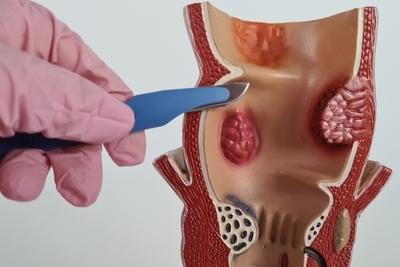
“This article explains what colon polyps are, their common types and risk factors. It highlights how these silent, potentially precancerous growths develop over time and emphasizes how routine colonoscopies effectively prevent colon cancer through early detection and removal.”
In the field of preventive healthcare, few procedures are as effective as the colonoscopy when it comes to prevention of cancer. Whether you are looking for a first screening for yourself or a colonoscopy in Beverly Hills, knowing more about the silent precursor of colorectal cancer known as the colon polyp is the most important step you will take towards digestive health.
Although they are very common, colon polyps are still widely misunderstood. If you take a careful look at the statistics, you will see that 20% to 40% of adults will develop polyps at some moment during their lives, while the majority of such people remain completely healthy. By understanding how the colon polyp is formed, what it means and how to get rid of it, you will get a chance to take control over your preventive care.
What Is a Colon Polyp?
A colon polyp is a small bump of tissue that forms on the inside of the colon. A polyp is usually non-cancerous when it is first formed. A polyp can be compared to a small bump on the skin or wall.
A colon polyp is serious because it can proliferate. In a healthy body, the cells grow, divide, and die when an expected number of cells has been produced. When a change in gene occurs, the cells keep multiplying, even though they are not needed. Over time, there comes a time when extra cells have created a new polyp.
This process of growing from normal cells to cancer is called “the adenoma to carcinoma” sequence. This process is not instantaneous and takes approximately 10-15 years for a benign polyp to change into cancer-producing cells.
Not All Polyps Are Created Equal: Understanding the Types
Gastroenterologists categorize polyps into distinct types based on how their cells look under microscope. Knowing the specific type helps determine the future screening schedule and overall risk profile.
1. Adenomatous Polyps
Adenomas are the most common type of colon polyp, accounting for roughly 70% to 80% of all polyps discovered during screenings. By definition, adenomas are considered precancerous. While not every adenoma will evolve into cancer, nearly all colorectal cancers originate from adenomas. They are further divided into sub types:
- Tubular: The most common form, usually smaller and carrying the lowest risk
- Villous: Often larger with a shaggy, cauliflower like texture under microscopic examination; carries higher cancer risk
- Tubulovillous: A hybrid structure combining features of both tubular and villous patterns
2. Serrated Polyps
The term serrated polyps is derived from the appearance of the polyps’ cells which look like the teeth of a saw. These polyps are hard to detect because some types of them, especially sessile serrated lesions, are flat and covered in mucus. However, although they don’t seem dangerous, SSL can easily become a virulent cancer due to its unique genes.
3. Hyperplastic Polyps
Hyperplastic polyps are typically small and most frequently found in the lower rectum or sigmoid colon. They carry virtually no malignant potential and are considered benign tissue growths rather than precancerous threats.
4. Inflammatory Polyps
These growths occur in response to chronic inflammation of the intestinal lining, common in individuals living with Inflammatory Bowel Disease, such as Ulcerative Colitis or Crohn’s Disease. While the pseudopolyps themselves are not inherently cancerous, the underlying chronic inflammation increases long term cancer risk.
Risk Factors: Who Is Most Likely to Develop Polyps?
While polyps can affect anyone, specific lifestyle habits and genetic factors significantly influence your likelihood of developing them.
- Diet and Exercise: Red or processed meats and low fiber induce localized inflammation and slow intestinal transit. Sitting and obesity increase systemic inflammation and alter cell growth metabolic pathways
- Habits: Smoking and heavy alcohol use damage mucosal lining DNA, speeding polyp formation
- Age: Cellular replication mistakes increase over decades. Risk increases significantly after 45
- First-degree relatives with polyps quadruple your risk. Early onset polyps result from Lynch Syndrome or FAP
Guideline Update: Recognizing that early onset colorectal cancer rates have risen in adults under 50, major gastroenterology societies revised official screening guidelines down from age 50 to age 45 for average risk adults.
Detection and Removal: Why Prevention Beats Early Detection
Many cancer screening techniques such as mammograms and prostate checks are aimed at early identification of cancer, that is, the stage it is prior to its manifestation. Unlike these techniques, a screening colonoscopy serves more than just early detection. If you are experiencing digestive issues or meeting age milestones, understanding the key signs you need a colonoscopy from a doctor in Los Angeles is critical for timely intervention.
During this procedure, a thin flexible tube having multiple lenses and lights is introduced in the colon by the doctor.
If any polyps are found in the process, they are removed immediately, thanks to technology that safely traps the tissue that has been removed in the process. The process is possible without pain as there are no pain receptors in the colon and as the polyps are being cut off, there is no sensation felt. After the removal, oncological tissue is sent into the pathology lab for diagnosis.
Taking Action for Your LongTerm Health
Colon polyps are quiet, inconspicuous and highly prevalent, but they are not necessarily harmful. The process that transforms a harmless cluster of cells into serious health issue takes several years, allowing you enough time to take necessary steps. By staying informed and by having knowledge of your family health history, along with annual screening starting from 45, you are skipping the main route through which colon cancer happens.
Disclaimer
This article provides information, not medical advice. Before making health decisions, consult a doctor or gastroenterologist about any medical issue, screening protocols or symptoms.