
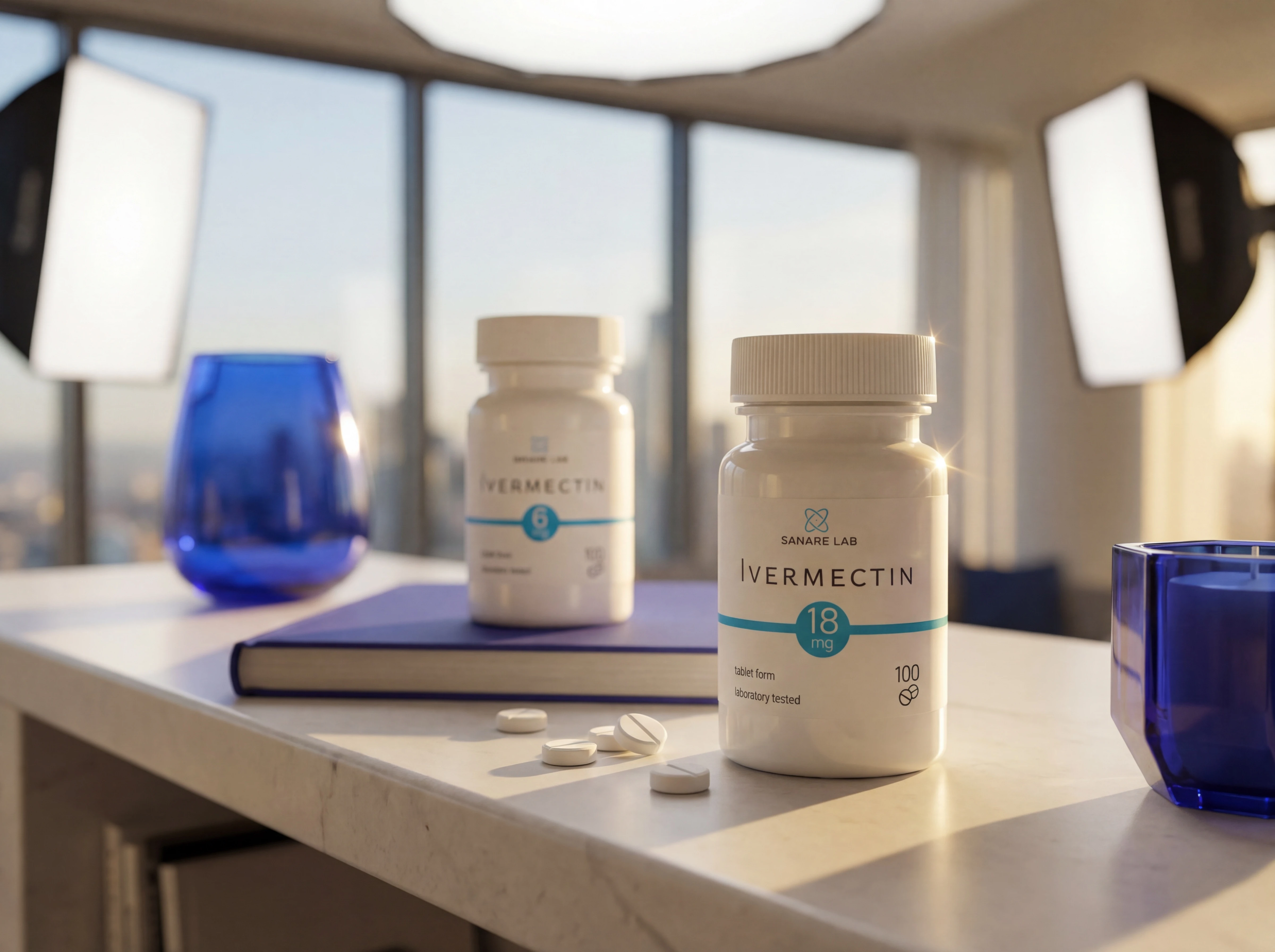
Ivermectin is a lipophilic compound that follows a distinct pharmacokinetic profile after oral administration. Understanding how this molecule is absorbed, distributed, and eventually metabolized helps clinicians and researchers optimize dosing strategies and anticipate potential interactions.
Oral Absorption and Bioavailability
After oral ingestion, ivermectin is absorbed primarily through the gastrointestinal tract. Peak plasma concentrations typically occur within 4 to 5 hours. Bioavailability is significantly influenced by whether the medication is taken with food, particularly high-fat meals, which can increase absorption by up to 2.5-fold compared to fasting conditions.
This food-dependent absorption has practical implications for consistent dosing. Healthcare providers often recommend taking ivermectin with a meal to ensure more predictable blood levels and therapeutic outcomes. For a broader overview of ivermectin’s approved medical uses, dosing guidelines, and safety profile, see this comprehensive guide to ivermectin for humans.
Tissue Distribution Patterns
Due to its high lipophilicity, ivermectin distributes extensively into body tissues, particularly adipose tissue, skin, and subcutaneous fat. The volume of distribution is large, indicating significant tissue binding rather than remaining predominantly in the bloodstream.
Key distribution characteristics include:
- High concentrations in liver tissue where metabolism occurs
- Significant accumulation in adipose tissue serving as a reservoir
- Distribution to skin tissue relevant for dermatological applications
- Limited penetration across the blood-brain barrier under normal conditions
Hepatic Metabolism
Ivermectin undergoes extensive hepatic metabolism primarily through the cytochrome P450 enzyme system, particularly CYP3A4. This metabolic pathway is clinically significant because drugs that inhibit or induce CYP3A4 can alter ivermectin plasma levels substantially.
Common CYP3A4 interactions to consider:
- Ketoconazole and other azole antifungals may increase ivermectin levels
- Erythromycin and certain macrolide antibiotics can affect metabolism
- Grapefruit juice inhibits intestinal CYP3A4 and may alter absorption
- Rifampin and other CYP3A4 inducers may decrease ivermectin efficacy
Elimination and Half-Life
The elimination half-life of ivermectin ranges from approximately 12 to 36 hours in most individuals, though this can vary based on body composition, liver function, and concurrent medications. Excretion occurs primarily through feces, with less than 1% eliminated unchanged in urine.
The relatively long half-life, combined with tissue accumulation, means that the pharmacological effects of ivermectin can persist well beyond the time when plasma concentrations decline. This characteristic influences both dosing intervals and the duration of monitoring after administration.
The Importance of Product Quality in Pharmacokinetic Consistency
Reliable pharmacokinetic behavior depends on consistent product formulation. Variations in particle size, excipients, or active ingredient purity can alter absorption rates and bioavailability, leading to unpredictable clinical outcomes.
Pharmaceutical-grade products manufactured under Good Manufacturing Practices provide the consistency needed for predictable pharmacokinetics. When sourcing ivermectin, verified purity certificates and transparent manufacturing documentation help ensure that the product will behave as expected in the body.
For those seeking reliable ivermectin products with documented quality standards, SanareLab offers pharmaceutical-grade ivermectin with full certificates of analysis and transparent sourcing information.