
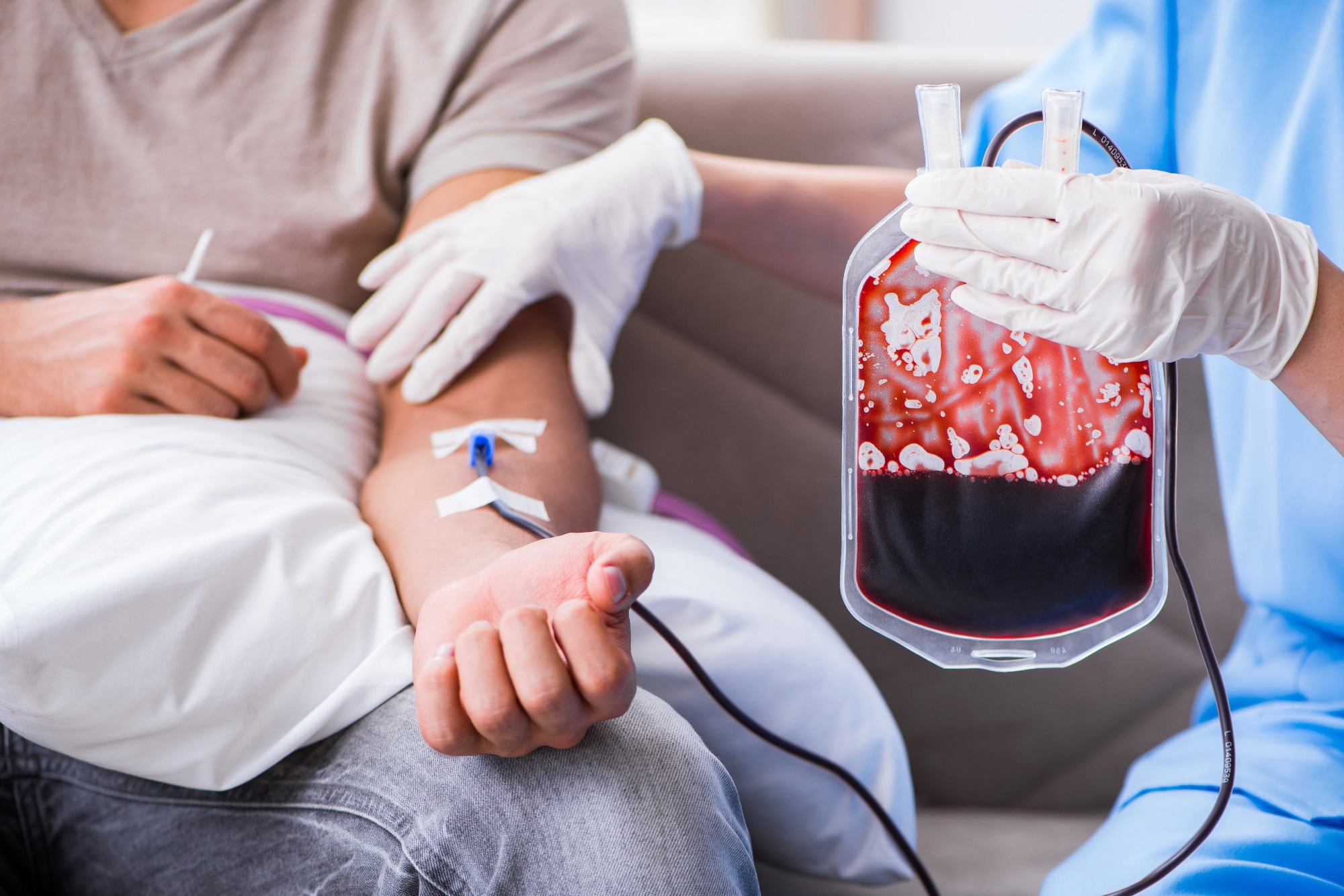
Your blood does more than just flow through your veins. It carries oxygen, fights infections, and keeps your body running every single day. So when something goes wrong with your blood, it can affect almost every part of your health. That is exactly why hematology matters. It is the branch of medicine that focuses on blood — how it works, what can go wrong, and how to treat those problems. If you or someone you love has been told to see a hematologist, this guide will help you understand what that means.
What Does Hematology Actually Cover?
Hematology is the study of blood and blood-related conditions. It also covers the organs that produce blood, like the bone marrow and the spleen. Moreover, it includes the lymphatic system, which plays a big role in immunity. So in short, hematology is not just about blood — it is about the whole system that supports your blood.
Doctors who specialize in this field are called hematologists. They diagnose and treat a wide range of conditions. Some of these are mild and easy to manage. Others, like blood cancers, require more complex care. Either way, getting the right help early makes a real difference.
Common Blood Conditions Hematologists Treat
There are many types of blood disorders, and they affect people of all ages. Some are inherited, meaning they are passed down through families. Others develop over time due to illness, infection, or lifestyle factors. Here are some of the most common conditions that fall under hematology:
• Anemia — This happens when your body does not have enough red blood cells or hemoglobin. As a result, you may feel tired, weak, or short of breath. It is one of the most common blood conditions worldwide.
• Leukemia — This is a type of blood cancer that starts in the bone marrow. It causes the body to make too many abnormal white blood cells. Treatment has improved greatly over the past few decades.
• Lymphoma — This cancer affects the lymphatic system. There are two main types: Hodgkin lymphoma and non-Hodgkin lymphoma. Both are treatable, especially when caught early.
• Sickle Cell Disease — This is an inherited disorder that changes the shape of red blood cells. Because of this, they cannot move through blood vessels easily, which causes pain and other complications.
• Hemophilia — People with hemophilia have blood that does not clot properly. Even a small cut can lead to heavy bleeding. It is mostly inherited and managed with regular treatment.
• Thrombocytopenia — This condition means you have a low platelet count. Since platelets help your blood clot, a low count can lead to bruising or bleeding more easily than normal.
Signs You Might Need to See a Hematologist
Most people do not visit a hematologist on their own. Instead, a general doctor usually refers them after noticing something unusual in a blood test. However, there are some symptoms you should not ignore. These include:
Unexplained fatigue or weakness that does not go away with rest. Frequent bruising or bleeding that seems out of proportion to the cause. Swollen lymph nodes in your neck, armpits, or groin that last more than a few weeks. Night sweats, fever, or unexplained weight loss. Pale or yellowish skin. Frequent infections that take a long time to get better.
These symptoms do not automatically mean something serious is wrong. But they are worth checking out. A hematologist can run the right tests to find out what is going on.
How Is a Blood Disorder Diagnosed?
Diagnosis in hematology usually starts with a Complete Blood Count, or CBC. This simple test gives doctors a detailed picture of your blood. It shows the number of red blood cells, white blood cells, and platelets. From there, the doctor may order more specific tests depending on what the CBC shows.
Some tests that hematologists commonly use include:
• Bone marrow biopsy — A small sample is taken from inside the bone to check for cancer or other disorders.
• Coagulation tests — These check how well your blood clots, which helps diagnose conditions like hemophilia.
• Peripheral blood smear — A drop of blood is examined under a microscope so the doctor can see the shape and size of your blood cells.
• Genetic testing — This is used to identify inherited conditions like sickle cell disease or certain types of leukemia.
These tests help doctors make accurate diagnoses. As a result, treatment can be planned more effectively. The sooner a diagnosis is made, the more options are usually available.
Treatment Options in Hematology
Treatment depends entirely on the condition being treated. For example, mild anemia may simply require iron supplements or dietary changes. On the other hand, blood cancers like leukemia may need chemotherapy, radiation, or even a stem cell transplant.
Here is a quick look at some common treatment approaches. First, medications are often used to stimulate blood cell production or to manage clotting issues. Second, blood transfusions may be needed when someone has lost a lot of blood or has a very low red blood cell count. Third, targeted therapy is a newer approach that attacks cancer cells without damaging healthy tissue as much as traditional chemotherapy does. Finally, stem cell transplants replace damaged bone marrow with healthy cells, either from the patient or a donor.
At Liv Hospital, specialists work closely with each patient to build a treatment plan that fits their specific needs. Every blood disorder is different, and every patient deserves a plan made just for them.
Can Blood Disorders Be Prevented?
Not all blood disorders can be prevented, especially those that are inherited. However, there are things you can do to support your blood health overall. Eating a balanced diet rich in iron, folate, and vitamin B12 helps your body make healthy red blood cells. Staying hydrated, exercising regularly, and avoiding smoking also contribute to better blood health.
Furthermore, getting regular check-ups and blood tests is one of the best things you can do. Many blood conditions develop slowly and quietly. Because of this, they are often caught during routine testing, long before symptoms appear. Early detection means earlier treatment and better outcomes.
If you have a family history of blood disorders, talk to your doctor. They may recommend genetic testing or more frequent monitoring. Being proactive about your health can make a significant difference in the long run.
When Should You Seek Specialized Care?
General doctors handle a wide variety of health issues. However, when it comes to blood disorders, a specialist makes a real difference. Hematologists have deep training in blood-related conditions. They are familiar with the latest treatments, clinical trials, and diagnostic tools. So if your doctor suspects a blood disorder, asking for a referral to a hematologist is always a smart step.
The hematology department at Liv Hospital offers comprehensive care for patients with blood disorders. From diagnosis to treatment and follow-up, the team is there to support patients at every step. With access to modern equipment and experienced specialists, patients can feel confident they are in good hands.
What to Expect at Your First Hematology Appointment
If you are visiting a hematologist for the first time, it is normal to feel nervous. But knowing what to expect can help. Your doctor will start by reviewing your medical history and any test results you have already had. Then, they will likely order more blood tests to get a clearer picture.
The appointment may also include a physical exam where the doctor checks for swollen lymph nodes or an enlarged spleen. After reviewing everything, the hematologist will explain what they found and discuss next steps. Do not hesitate to ask questions. Understanding your condition is an important part of managing it well.
Also, bring a list of all medications you are currently taking, including vitamins and supplements. Some of these can affect blood test results or interact with treatments. Being prepared helps the doctor give you the best possible care.
Taking Care of Your Blood Health Every Day
Your blood health is connected to your overall wellbeing. Small daily habits make a big difference over time. Eating well, sleeping enough, managing stress, and staying active all support a healthy blood system. If you ever notice unusual symptoms, do not wait. Getting checked early is always the right choice.
The hematology team at Liv Hospital is committed to helping every patient understand their condition and get the care they need. Whether your issue is simple or complex, specialized support is available. You do not have to face a blood disorder alone.
For those looking to go beyond medical care and adopt a healthier lifestyle overall, consider exploring resources from live and feel — a wellness platform dedicated to helping you live better, feel stronger, and build habits that support long-term health from the inside out.