
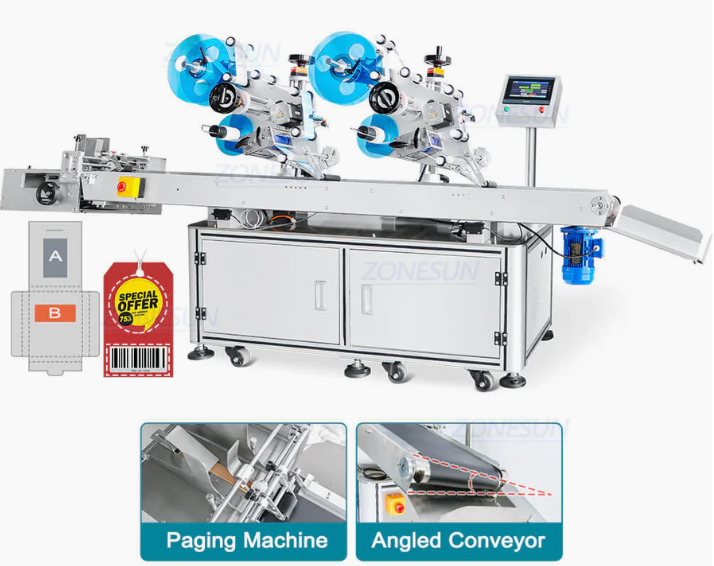
In modern packaging production, maintaining equipment cleanliness is essential for ensuring efficiency, product quality, and operational safety. A labeler machine is widely used in industries such as food and beverage, pharmaceuticals, cosmetics, and consumer goods to apply labels accurately and consistently. Because the labeler machine operates continuously in many production environments, dust, adhesive residue, and packaging debris can accumulate over time. Understanding the proper cleaning process for a labeler machine helps maintain stable performance, extend equipment lifespan, and reduce the risk of labeling errors.
Why Cleaning A Labeler Machine Is Important
Regular cleaning plays a crucial role in maintaining the performance of a labeler machine. During daily operations, label adhesives, paper particles, and environmental dust may build up on key components. If these residues are not removed, they can interfere with label feeding, sensor detection, and label positioning.
A clean labeler machine ensures smoother label dispensing and accurate label placement. In industries with strict hygiene standards, such as food or pharmaceutical production, keeping the labeler machine clean is also essential for maintaining sanitary conditions and complying with regulatory requirements. Proper cleaning routines can therefore improve both operational reliability and product quality.
Preparing For The Cleaning Process
Before cleaning a labeler machine, operators should first stop the machine and disconnect the power supply to ensure safety. All moving parts must come to a complete stop before maintenance begins. This step helps prevent accidental movement or injury during the cleaning procedure.
Next, remove the remaining label rolls or packaging materials from the labeler machine. Clearing the work area makes it easier to access important components such as rollers, label guides, sensors, and the conveyor system. Operators should also prepare suitable cleaning tools, including soft cloths, non-abrasive brushes, and recommended cleaning solutions.
Cleaning Key Components Of A Labeler Machine
Several components of a labeler machine require regular attention during cleaning to maintain stable operation and accurate labeling.
Label Dispensing System
The label dispensing mechanism is one of the most important parts of a labeler machine. Adhesive residue can accumulate on rollers, peel plates, and label guides during operation. If these surfaces are not cleaned regularly, label feeding may become inaccurate. Gently wiping these parts with a soft cloth helps remove adhesive buildup and ensures smooth label dispensing.
Sensors And Detection Devices
Sensors play a key role in detecting product positions and triggering the labeling process. Dust or adhesive residue on sensors can cause incorrect detection or labeling delays. Carefully cleaning these components ensures the labeler machine can identify products accurately and maintain proper labeling timing.
Conveyor System
The conveyor system moves products through the labeling area. Debris, dust, or packaging fragments on the conveyor surface can affect product alignment and stability. Regular cleaning helps the labeler machine maintain consistent product positioning and reduces the risk of labeling errors.
Using The Right Cleaning Materials
Selecting appropriate cleaning materials is essential for protecting the components of a labeler machine. Soft microfiber cloths are typically recommended because they remove dust and adhesive residue without scratching surfaces. In some cases, mild industrial cleaning solutions may be used to dissolve adhesive buildup.
However, operators should avoid harsh chemicals or excessive moisture when cleaning a labeler machine. These substances can damage electrical components, sensors, or mechanical parts. Following the equipment manufacturer’s cleaning guidelines ensures safe and effective maintenance.
Establishing A Regular Cleaning Schedule
To maintain consistent performance, companies should establish a routine cleaning schedule for their labeler machine. Light cleaning may be performed daily to remove dust and adhesive residue, while more thorough maintenance can be conducted weekly or monthly depending on production volume.
By implementing a structured cleaning plan, the labeler machine can operate more reliably and maintain labeling accuracy over long production periods. Preventive cleaning also helps reduce unexpected downtime and maintenance costs.
Conclusion
The proper cleaning process for a labeler machine involves preparation, careful cleaning of key components, the use of appropriate cleaning materials, and the establishment of a regular maintenance schedule. By keeping the labeler machine clean and well-maintained, manufacturers can ensure accurate labeling, improve production efficiency, and extend the service life of their equipment. Regular cleaning is therefore an important step in maintaining a smooth and reliable packaging operation.