
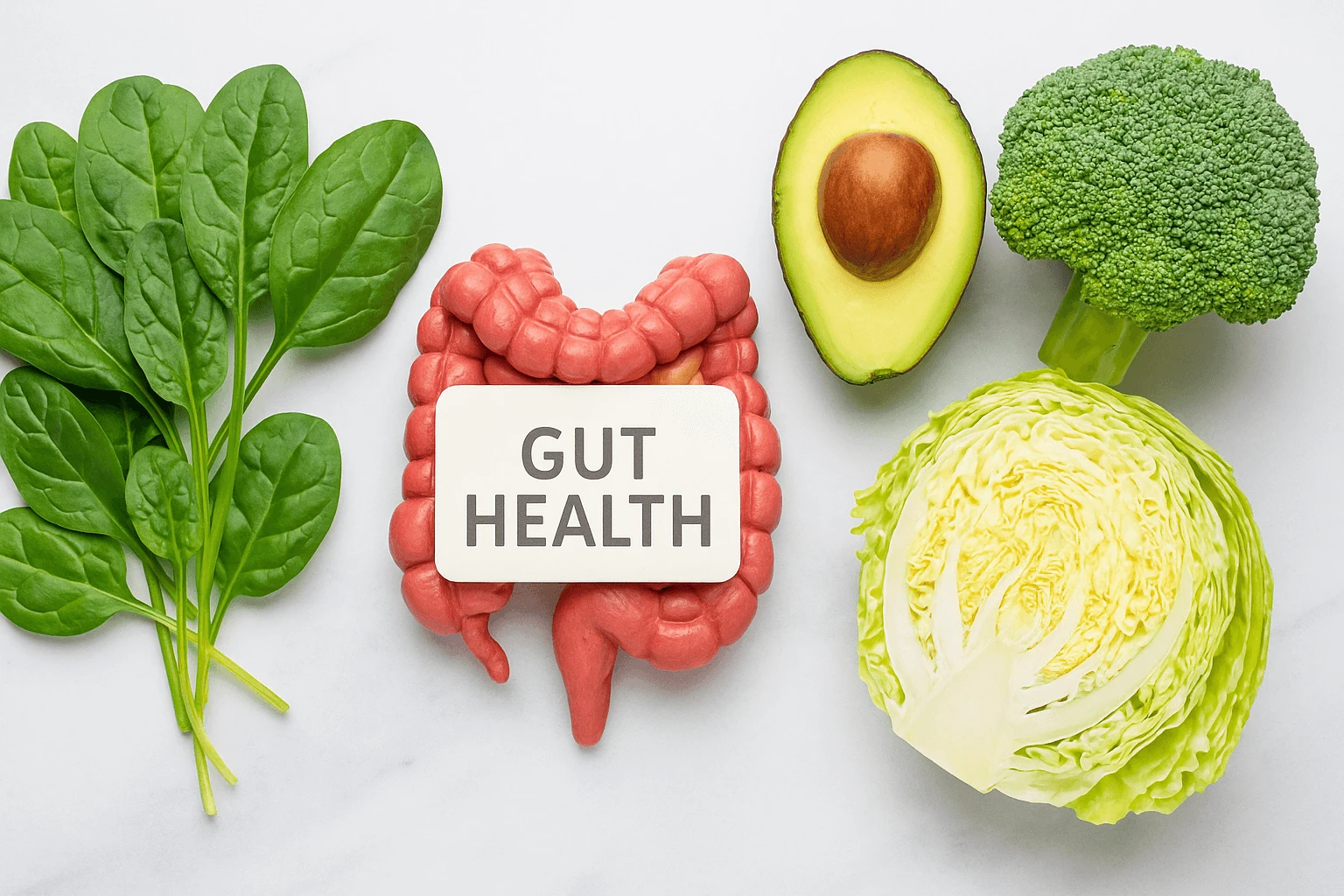
When we talk about health, topics like diet, exercise, and sleep often dominate the conversation. But there’s one silent hero within your body that plays a critical role in your overall well-being—your gut. Often referred to as your “second brain,” the gut is much more than just a digestive organ. It influences your immunity, mental clarity, energy levels, skin condition, and even your mood.
What Exactly Is Gut Health?
Gut health refers to the state and balance of microorganisms—bacteria, yeasts, and fungi—that reside in your digestive tract. Collectively called the gut microbiome, these microbes perform essential tasks such as breaking down food, producing key nutrients, and defending against pathogens.
A well-functioning gut maintains a diverse ecosystem of beneficial bacteria. When this balance is disturbed—known as dysbiosis—it can result in a range of health problems including bloating, fatigue, frequent illness, mood changes, and skin irritation.
Why Gut Health Is So Important
1. Enhanced Digestion and Nutrient Absorption
Your gut plays a major role in how well you digest food and absorb nutrients. A healthy gut ensures enzymes and digestive processes work efficiently to extract the vitamins, minerals, and fuel your body needs.
2. Immune System Support
Did you know that about 70% of your immune cells live in your gut? A strong gut microbiome creates a powerful line of defense, producing antimicrobial substances and regulating immune responses to keep you healthy.
3. Mental and Emotional Health
The gut-brain axis is the communication system between your gut and your brain. Imbalances in gut bacteria have been linked to anxiety, depression, and brain fog. A healthy gut contributes to stable moods and improved mental clarity.
4. Skin Clarity and Radiance
Gut inflammation and dysbiosis often appear on the skin’s surface. Conditions like acne, eczema, rosacea, and psoriasis are frequently connected to an imbalanced gut. Healing your gut can lead to clearer, more vibrant skin.
5. Weight and Metabolism
Research suggests that certain strains of gut bacteria influence how we store fat, regulate blood sugar, and feel hunger. A balanced microbiome may support healthy metabolism and assist in weight management.
How to Naturally Improve Gut Health
Supporting your gut doesn’t have to be complicated. Small lifestyle and dietary adjustments can have a major impact:
- Eat a variety of fiber-rich foods: Think leafy greens, legumes, fruits, and whole grains.
- Add fermented foods: Include yogurt, kefir, kimchi, miso, and tempeh to introduce natural probiotics.
- Consider probiotic supplements: High-quality probiotics can replenish good bacteria, especially after antibiotics or illness. Choose brands that are well-tested and suit your needs.
- Limit processed foods and added sugars: These feed harmful bacteria and contribute to inflammation.
- Stay hydrated: Water supports digestion and the lining of your intestines.
- Manage stress: Chronic stress can disrupt your gut environment. Activities like yoga, meditation, or light exercise can help maintain balance.
Final Thoughts
Your gut is central to your health. When your gut thrives, your whole body benefits—from your immune system and energy levels to your skin and mental state. It’s not just about avoiding illness—it’s about optimizing your body’s ability to function at its best.
For Malaysians and others interested in improving gut health, investing in quality supplements and probiotics is a great starting point. Visit Wellness Group and Wellness Concept to discover effective gut health solutions trusted by wellness enthusiasts across the region.