
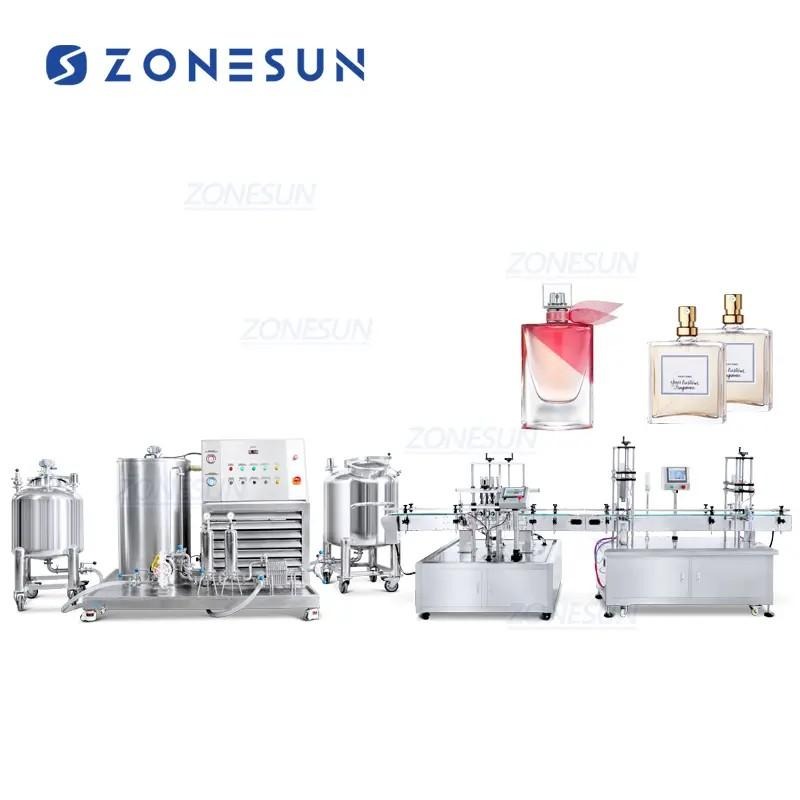
Shopping for filling equipment is one of those purchases where the brochure numbers lie by omission. Two machines can both claim 3,000 bottles per hour and behave like entirely different animals on your floor. The difference is in the specifications vendors hope you will not ask about. Here is what actually decides whether a bottle filling and capping machine earns its price or becomes an expensive lesson.
1. Match the Filling Principle to Your Liquid
This is the first fork in the road. Gravity and overflow fillers suit thin, free-flowing liquids like water and juices. Piston fillers handle viscous products, creams, sauces, gels, where each stroke must push an exact volume. Peristaltic systems shine for sterile or shear-sensitive liquids because the product only touches the tube. Buy the wrong principle for your viscosity and no amount of tuning will fix it, so bring product samples to every demo and watch your actual liquid run, not water.
2. Real Speed vs. Brochure Speed
Rated speed assumes ideal bottles, ideal caps, and zero stoppages. Ask for the sustained rate with your bottle format, including changeover and cleaning time across a full shift. A bottle filling and capping machine rated at 4,000 bph that needs forty minutes of fiddling per format change may produce less per day than a 2,500 bph machine that swaps over in ten minutes. Demand a witnessed trial or a reference site running your bottle size.
3. Changeover Time and Tooling
If you run more than one SKU, changeover dominates your economics. Look for tool-free format parts, recipe storage on the HMI so fill volumes and torque settings recall at a touch, and quick-release product paths. Ask the vendor to time a full changeover during the demo. Anything over thirty minutes for a bottle size change should make you negotiate or walk away.
4. Cap Torque Control and Rejection
Sealing is half the machine’s job. Insist on servo-controlled capping heads with per-head torque monitoring and automatic rejection of out-of-spec bottles. A bottle filling and capping machine without individual torque feedback is gambling with every pallet: one bad batch of caps or a worn chuck goes unnoticed until customer complaints arrive.
5. Sanitation and Materials
For food, beverage, pharma, or cosmetics, 304 or 316L stainless product-contact surfaces are non-negotiable, with crevice-free welds and washdown-rated electrics. Ask how the machine is cleaned: CIP compatibility, tool-free strip-down of the fill path, and drainable design separate serious equipment from hobby-grade builds.
6. Inline vs. Rotary for Your Volume
Be honest about your throughput. Inline machines cost less, change over faster, and fit smaller floors, making them ideal under roughly 3,000 bottles per hour or with many SKUs. Rotary machines justify their price above that line with continuous-motion speed. Buying rotary capacity you will never use ties up capital and floor space; buying inline when you need rotary means running double shifts within a year. Map your three-year volume forecast before choosing, because a bottle filling and capping machine is a five-to-ten-year asset and undersizing is the costliest mistake.
7. Footprint, Utilities, and Air
Measure twice. Integrated machines save floor space versus separate filler and capper lines, but confirm the working envelope with guards open, plus conveyor infeed and outfeed. Check air consumption, power draw, and whether your compressor keeps up; pneumatic machines that starve for air behave erratically at exactly the wrong moments.
8. Service, Spares, and Documentation
The cheapest machine with no local support is the most expensive machine you will ever own. Before buying any bottle filling and capping machine, pin down response times, spare-parts stocking, and whether manuals and electrical schematics are actually provided. A vendor who answers these crisply before the sale is the one who will answer the phone after it.
Negotiating the Quote: Get It in Writing
Verbal promises evaporate. Insist the quotation specifies the filling principle, number of heads, speed with your bottle, changeover time, torque monitoring type, materials of construction, and the full scope of commissioning and training. Add performance guarantees with remedies: what happens if the bottle filling and capping machine does not hit rated speed on your product during acceptance trials? Serious vendors accept such terms; evasive ones tell you everything about the after-sales experience awaiting you.
Final Checklist Before You Sign
- Run YOUR product and YOUR bottles in the demo, not the vendor’s ideal samples.
- Get changeover time in writing, timed on video.
- Confirm torque monitoring is per-head, not per-machine.
- Verify the cleaning procedure with your QA team present.
- Price three years of spares and service, not just the machine.
A bottle filling and capping machine bought on these points will run quietly for years. One bought on brochure speed alone will teach you why the checklist exists.
Keep this guide handy during vendor visits, and let the specifications of each bottle filling and capping machine do the talking.