
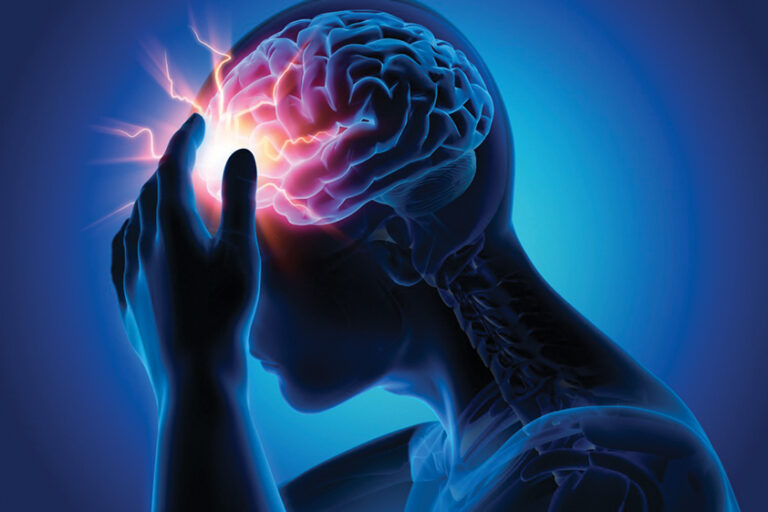
A stroke stands as one of the most critical and time-sensitive medical emergencies in modern healthcare. Often referred to as a “brain attack,” it occurs when the blood supply to part of the brain is interrupted or reduced, depriving brain tissue of oxygen and essential nutrients. Within minutes, brain cells begin to die, potentially leading to permanent disability or mortality. Because every second counts when cerebral blood flow is compromised, the establishment of highly specialized medical infrastructure is vital. A dedicated Stroke Center plays a pivotal role in changing patient outcomes through rapid assessment, advanced diagnostics, and immediate intervention.
The Mechanics of a Stroke: Ischemic vs. Hemorrhagic
To appreciate the necessity of advanced neurological care, one must grasp how a stroke damages the central nervous system. The vast majority of cases are ischemic, occurring when a blood clot blocks an artery leading to or within the brain. These clots frequently originate from fatty deposits in the blood vessels (atherosclerosis) or travel from the heart, a condition often linked to cardiac arrhythmias like atrial fibrillation.
Conversely, hemorrhagic strokes occur when a weakened blood vessel ruptures and bleeds into the surrounding brain tissue. The accumulated blood exerts catastrophic pressure on brain cells, damaging them and disrupting normal neurological pathways. Hypertension, aneurysms, and arteriovenous malformations are primary catalysts for hemorrhagic events.
Regardless of the type, the primary objective of emergency medical teams is the preservation of the penumbra the area of endangered tissue surrounding the immediate site of the infarct. This tissue can still be saved if blood flow is restored rapidly.
The Core Protocol of Emergency Management
When a patient presenting stroke symptoms arrives at a specialized institution like Liv Hospital, a highly coordinated protocol is instantly initiated. The medical community stresses the acronym “FAST” (Face drooping, Arm weakness, Speech difficulties, Time to call emergency services) to ensure early recognition, but the clinical response inside the facility is where the definitive battle against brain damage is fought.
Time is the ultimate variable in neurological survival. Neurologists operate under the strict mantra that “time is brain,” as an estimated 1.9 million neurons are lost every minute a stroke goes untreated. Upon arrival, emergency physicians and neurologists conduct an immediate physical assessment alongside rapid neuroimaging. High-speed Computed Tomography (CT) scans or Magnetic Resonance Imaging (MRI) are utilized to differentiate between an ischemic and a hemorrhagic stroke. This distinction is vital because the treatment for one could prove fatal if applied to the other.
Advanced Interventions and Therapeutic Options
For ischemic stroke patients who arrive within the critical therapeutic window typically within 4.5 hours of symptom onset intravenous thrombolytic therapy is the standard of care. This pharmacological intervention utilizes tissue plasminogen activator (tPA) to dissolve the obstructing clot and restore perfusion to the ischemic penumbra.
However, when a large blood vessel is occluded, pharmacological methods alone may not suffice. In these scenarios, interventional neuroradiologists perform a procedure known as mechanical thrombectomy. Utilizing real-time imaging, specialists insert a microcatheter through the groin or wrist, navigating up to the blocked artery in the brain. A stent retriever or aspiration device is then deployed to physically trap and extract the clot. This breakthrough procedure has extended the treatment window up to 24 hours for eligible candidates, drastically reducing long-term disability rates.
For hemorrhagic cases, the strategy shifts toward pressure management and surgical repair. Neurosurgeons may intervene to clip an aneurysm, repair vascular malformations, or perform a craniotomy to relieve intracranial pressure caused by accumulated blood.
Multidisciplinary Continuity of Care
The responsibility of a specialized center extends far beyond the initial emergency intervention. The recovery trajectory requires an integrated approach involving multiple medical disciplines. Once stabilized, patients are transferred to a specialized neurological intensive care or stroke unit. Here, continuous monitoring of blood pressure, blood glucose levels, and oxygenation prevents secondary brain injury.
Early rehabilitation is another cornerstone of a high-tier facility. Within days of stabilization, physical therapists, occupational therapists, and speech-language pathologists begin working with the patient. This proactive approach capitalizes on neuroplasticity the brain’s ability to reorganize itself by forming new neural connections helping patients regain lost motor skills, speech, and independence.
Preventative cardiology and neurology are also integrated into the long-term management plan. Specialists investigate the root cause of the vascular event, prescribing tailored regimens of antiplatelet medications, anticoagulants, antihypertensives, or cholesterol-lowering agents to mitigate the risk of a secondary event. Through rapid acute treatment, structured rehabilitation, and rigorous secondary prevention, these specialized facilities offer patients the highest statistical probability of returning to a functional, independent life.