
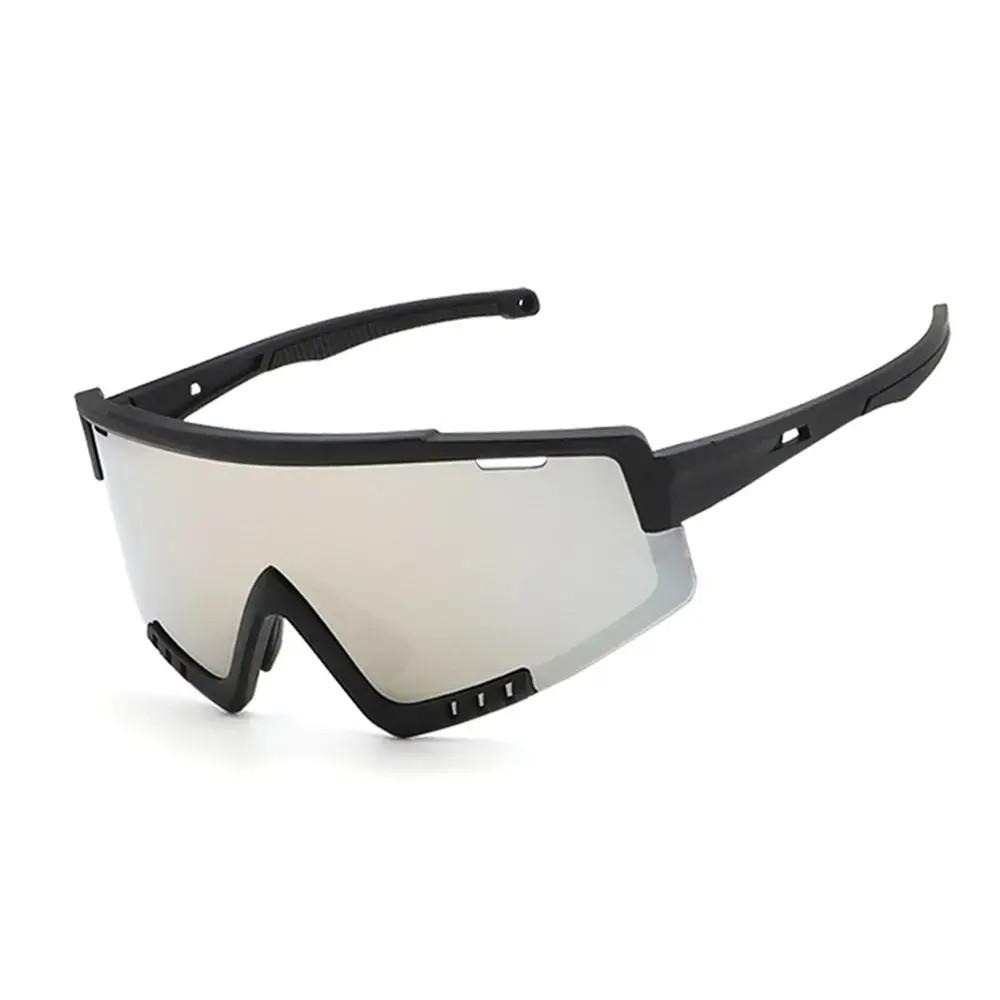
Walk into any successful sporting goods store, gas station, or outdoor retailer and you will find the same thing near the register: a spinning rack of sunglasses. It is not decoration. Eyewear is one of the highest-margin, fastest-turning categories in retail, and the stores that treat it seriously make serious money from it. The secret is buying wholesale sports sunglasses at the right price and turning that rack every few weeks.
The Margin Math That Makes It Work
Few retail categories offer the markup that sunglasses do. A pair bought through wholesale sports sunglasses channels for a few dollars routinely retails for five to ten times that amount. Even after accounting for the display, the occasional damaged pair, and slower months, the blended margin on eyewear beats almost everything else on the shelf. This is why large chains dedicate prime counter space to sunglasses: per square foot, almost nothing else performs as well. For independent retailers, a well-chosen eyewear assortment can quietly become one of the most profitable sections of the store.
Eyewear Sells in Every Season
Sunglasses are often treated as a summer product, but the data tells a different story. Skiers, drivers dealing with winter glare, and outdoor workers buy sunglasses year-round. Holiday gift season is actually one of the strongest periods for eyewear sales. Retailers who stock wholesale sports sunglasses as a permanent category — not a seasonal experiment — capture sales their competitors leave on the table every month of the year. The trick is rotating styles: darker sport wraps for summer, lighter amber lenses for winter driving, and fresh colors for the holidays.
Consistent year-round stocking also trains customers to check your rack first. When shoppers know you always carry affordable wholesale sports sunglasses in current styles, your store becomes their default stop instead of an afterthought.
Variety Without the Inventory Risk
One of the quiet advantages of the wholesale model is how cheaply you can offer variety. Because per-unit costs are low, a retailer can stock twenty styles in the space and budget that a single apparel line would consume. If a style flops, the loss is a few dollars, not hundreds. This lets small stores experiment the way big chains do: test mirrored lenses one month, try clear-fashion frames the next, and double down on whatever moves. Low unit cost turns assortment planning from a gamble into a low-stakes experiment.
Impulse Placement Multiplies Every Sale
Sunglasses are the textbook impulse buy. Nobody plans a trip to buy a $15 pair of sport shades — they see them, try them on, and add them to the basket. That is why placement matters as much as product. Stores that move their wholesale sports sunglasses displays to the checkout counter, next to the sunscreen, or beside the register during events consistently report higher attach rates. A customer buying fishing gear who spots polarized sport sunglasses at the counter is an easy conversion, and it lifts the average ticket with zero extra marketing spend.
Picking the Right Wholesale Partner
Not all suppliers are equal. Look for consistent quality across batches — nothing kills a rack faster than hinges that snap in a week. Check that lenses genuinely offer UV400 protection, because selling unprotected dark lenses is worse than selling nothing. Reliable restocking matters too: when a style takes off, you need more units fast, not a three-month wait. The best wholesale sports sunglasses suppliers offer low minimums for testing new styles, clear defect policies, and honest lead times. Start with a mixed test order, track what sells for sixty days, then build your core assortment around the winners.
Seasonal Planning: Ordering Ahead of Demand
Timing separates profitable eyewear programs from clearance headaches. Because most wholesale sports sunglasses ship by sea, orders placed in autumn arrive for spring — miss that window and you are paying air-freight premiums or facing empty racks in peak season. Map your year: spring styles ordered by October, summer replenishment by February, holiday gift sets by July. Suppliers reward early planners with better production slots and sometimes better pricing.
Keep a simple sell-through log by style. After one full year you will know exactly which wholesale sports sunglasses earn reorders and which were one-season wonders. That data turns next year’s buying from guesswork into arithmetic — and it gives you leverage to negotiate volume terms on proven winners.
Retail is a game of small edges compounded. Eyewear gives you margin, turnover, and impulse sales in one compact display. Treat the sunglasses rack as a real category — curated, restocked, and rotated — and it will quietly become one of the hardest-working square meters in your store.
One more practical tip: track which styles sell and reorder winners quickly. The retailers who win with wholesale sports sunglasses treat the rack as a living assortment — reviewing sales monthly, dropping slow movers, and doubling down on proven sellers. That discipline, more than any single product choice, is what turns eyewear from a side display into a profit engine.