
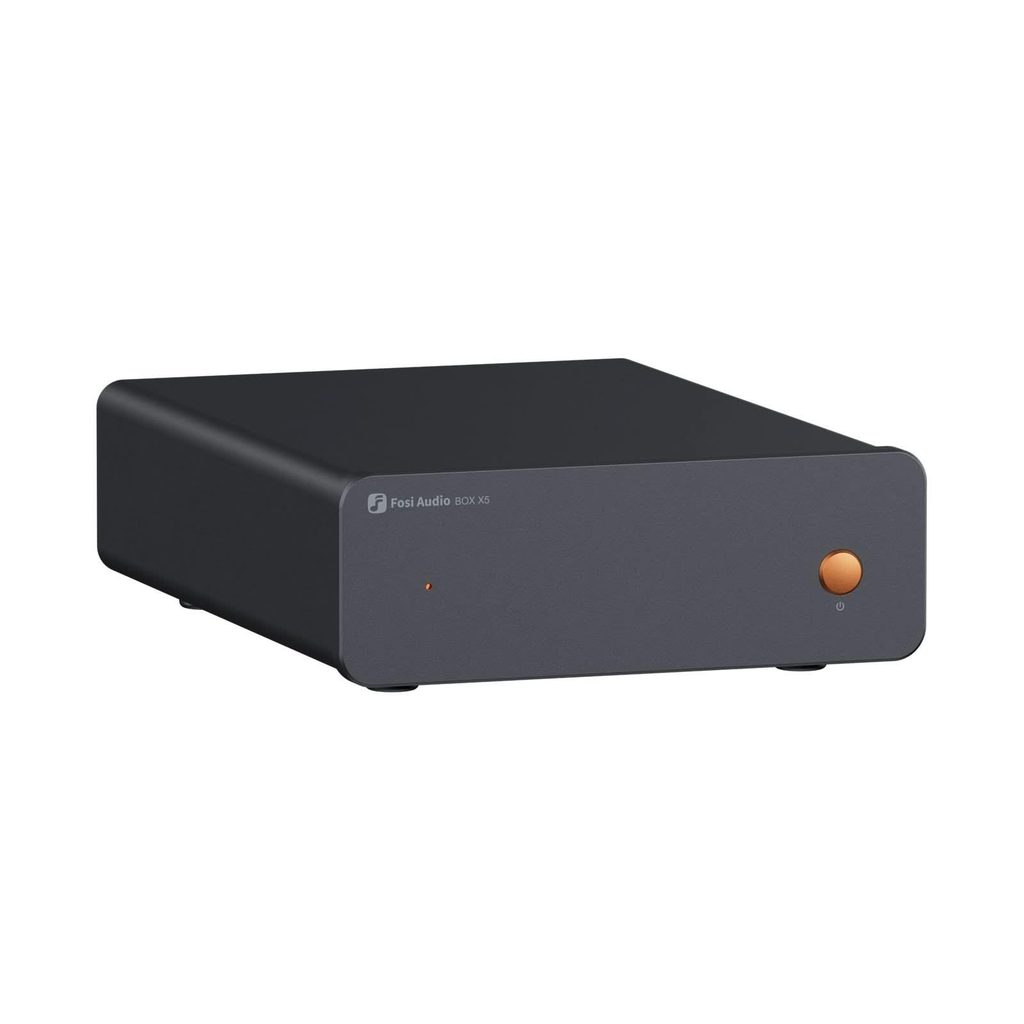
Vinyl is a wonderful format with one annoying habit: when something is wrong, you hear it immediately. Hum, hiss, distortion, or mysteriously quiet music usually trace back to one small box in the chain — the phono preamp — or to how it is connected. The good news is that most of these problems have simple fixes.
Work through this guide in order, and you will find the culprit in most cases without buying anything new.
Hum: the ground problem
A steady low hum, present even with the volume low, almost always means a grounding issue. Your turntable has a thin ground wire for a reason: connect it firmly to the ground terminal on your phono preamp. A loose or missing ground connection is the single most common cause of hum in a vinyl setup.
If the ground wire is connected and the hum persists, look for ground loops. These happen when components are grounded through two different paths, often via the mains. Try plugging the turntable and the preamp into the same power strip, and keep signal cables away from mains cables — running them in parallel over a distance invites hum into the signal.
Hiss and crackle that is not the record
A faint background hiss that rises with volume usually comes from gain staging: either the phono preamp gain is set too high for your cartridge, or the volume on your main amplifier is compensating for a weak signal. Check the gain setting on your phono preamp against your cartridge type — moving magnet and moving coil cartridges need very different amounts of gain.
Crackle that follows the record is usually dust or static on the vinyl itself, not the electronics. A carbon-fibre brush before each side and a proper record cleaning routine will do more than any equipment change. If the crackle is constant regardless of the record, suspect a dirty connection: unplug and reseat the cables, and clean the contacts if they look dull.
Weak, thin, or distorted sound
Music that sounds quiet and thin usually means the signal is being equalised incorrectly or not at all. The classic mistake is plugging a turntable into a line input without any phono stage — or the reverse, running an already-amplified turntable output into a phono input, which double-equalises the signal and makes everything boomy and distorted.
Check the chain: turntable to phono stage to line input, with exactly one phono stage in the path. If your turntable has a built-in stage with a line/phono switch, make sure the switch matches how you connected it. A mismatch here explains a surprising number of ‘my records sound terrible’ complaints.
Distortion on loud passages can also mean a worn stylus. A stylus lasts roughly a thousand hours of play; beyond that, it damages records as well as sound. If your records used to sound fine and gradually got worse, the stylus is the prime suspect, not the electronics.
When the box itself is the problem
If you have checked grounding, connections, gain, and stylus, and the problem follows the phono preamp when you swap components, the unit itself may be at fault. A failing power supply often shows up as rising noise or intermittent sound. Try a different power outlet and, if the unit uses an external supply, a replacement of the same voltage and polarity.
Before replacing anything, compare against a known-good option. Borrowing a friend’s stage for an evening, or checking a current phono preamp range for a well-reviewed replacement, beats guessing and buying blind — especially since the right replacement depends on your cartridge type.
A quick pre-flight checklist
Before you play a record, run this sixty-second check: ground wire connected, correct input selected, gain matched to your cartridge, and stylus clean. Most bad sessions are prevented by this routine alone.
Once a month, check a little deeper: reseat the cables, look at the stylus under magnification, and confirm the turntable is still level. Small drifts cause big annoyances if left alone.
Once a year, review the bigger picture: stylus hours, belt condition, and whether your records need a proper wash. A system that gets this little attention stays quiet, clean, and enjoyable for decades.
Keep a short note of what you checked and when. If a problem appears later, that note tells you what changed — and what did not. Troubleshooting is mostly elimination, and notes make elimination fast.
And when something does go wrong, change one thing at a time. Swap one cable, adjust one setting, test, and only then move on. Changing five things at once leaves you guessing which one fixed it — or which one caused the next problem.
Most vinyl problems are connection problems, not equipment failures. Ground it, check the chain, match the gain to your cartridge, and keep your stylus fresh — and the format rewards you with the warm, full sound that made you buy records in the first place.